
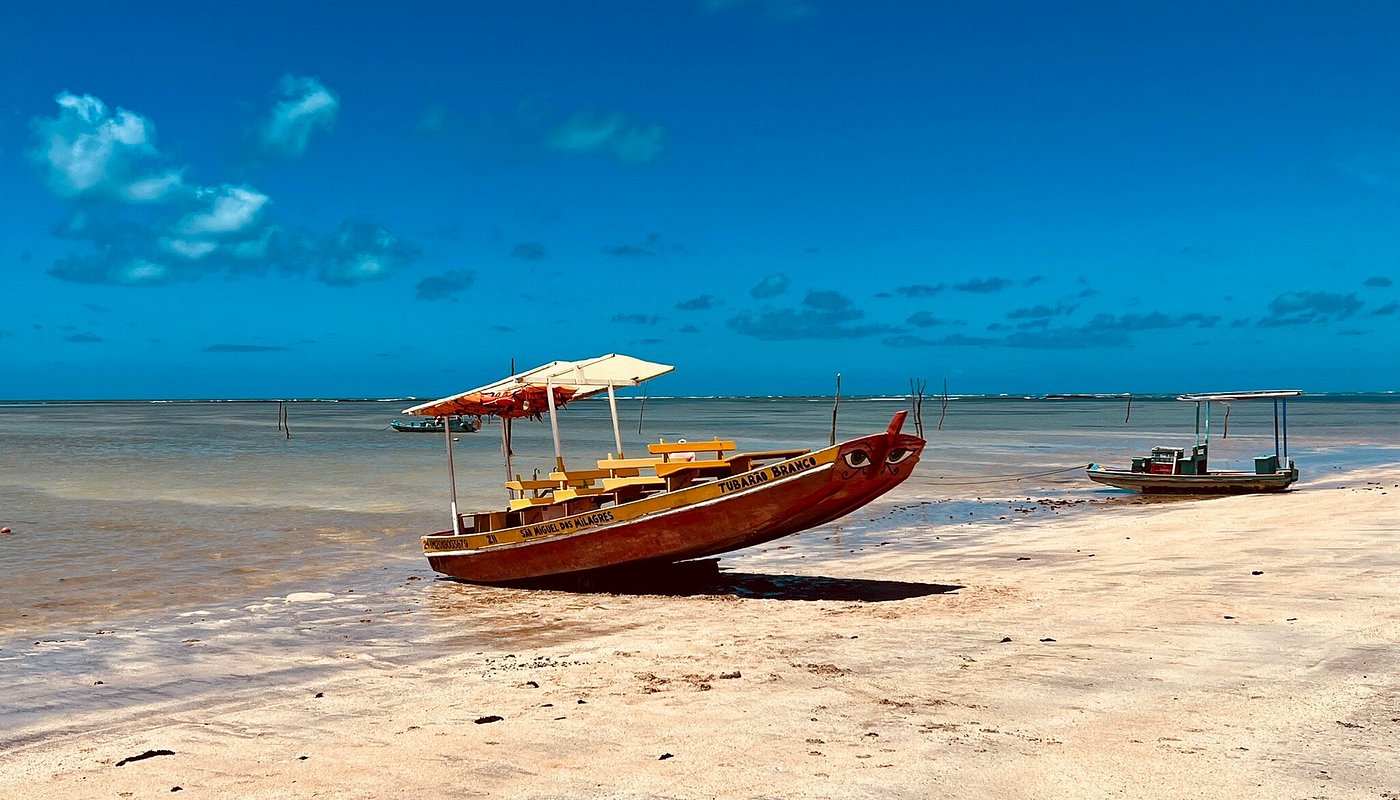
Praia de São Miguel dos Milagres, Alagoas – Complete Travel Guide to Brazil’s Caribbean-like Paradise
Introduction – Why Praia de São Miguel dos Milagres Is Special
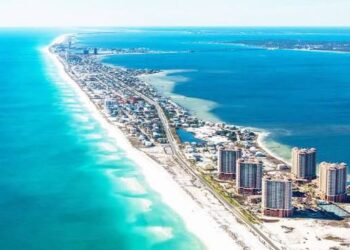
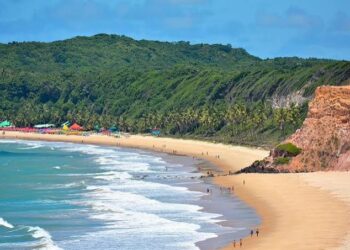
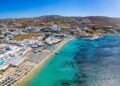
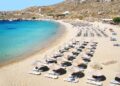
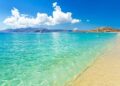
Praia de São Miguel dos Milagres is located along the northern coastline of Alagoas in northeastern Brazil. The area is often associated with what is informally referred to as the “Brazilian Caribbean,” due to its light-coloured sand, clear turquoise waters, and long stretches of coconut groves that define the coastal landscape.
The beach remains relatively less developed when compared to larger tourist centres, offering a quieter environment. The sea is generally quite shallow and partly protected by coral reef formations, which contributes to calmer water conditions suitable for swimming and observation of marine life. In contrast to more crowded destinations, the area has a more traditional character, with small fishing activity, locally run pousadas set among palm trees, and an overall slower pace that appeals to visitors seeking a more relaxed coastal setting in this part of Brazil.
Location & How to Reach Praia de São Miguel dos Milagres
do Where Praia de São Miguel dos Milagres is located
Praia de São Miguel dos Milagres is situated within the municipality of São Miguel dos Milagres, at a distance of roughly 100 kilometres north of Maceió. The coastal area forms part of the region commonly referred to as the Rota Ecológica dos Milagres, where several nearby beaches, including Praia do Toque, Praia do Patacho, and Porto da Rua, are located along a similar stretch of shoreline marked by light sand and coconut vegetation.
How to reach Praia de São Miguel dos Milagres
Access to the area is usually arranged through a combination of air and road travel:
By air: The nearest airport is Zumbi dos Palmares International Airport (MCZ) in Maceió. From there, the travel continues by private transfer, rental vehicle, or other road transport, typically taking around two hours.
By car: The route from Maceió via the AL-101 coastal road is generally direct and is often described as quite scenic. Many visitors prefer hiring a vehicle in order to move more freely between nearby beaches.
Organised tours: Day trips and longer packages from Maceió are available, usually including transport and, in some cases, boat-based activities.
Local transport: Within the village area, smaller transport options such as mototaxis are commonly used by locals to reach the nearby locations. The central part of the village itself can be explored on foot.
Public transport options in the area remain limited, so advance planning of transfers or use of a rental vehicle is generally considered more practical.
What Makes Praia de São Miguel dos Milagres Unique
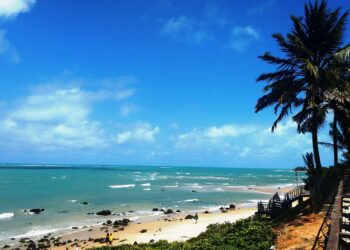
Praia de São Miguel dos Milagres is recognised for its extended stretches of fine, light-coloured sand and very clear, calm waters, which are partly protected by offshore coral reef formations. During lower tide periods, natural pools form close to the shore, where small marine species can often be observed, and the conditions are generally suitable for gentle swimming.
The shoreline is bordered by coconut palms and small-scale pousadas, rather than large buildings, which contributes to a more quiet and less altered coastal setting. In comparison to the beaches with stronger surf, wave activity here tends to remain limited, resulting in shallower and warmer water conditions that may be more comfortable for relaxed use.
The wider area also shows an ecological focus, with nearby river systems and coastal zones sometimes associated with marine life such as seahorses and, in certain locations, manatees. These natural elements, along with quite relatively low level of development, contribute to the character of the place, although conditions may vary depending on time and environmental factors.
Best Time to Visit Praia de São Miguel dos Milagres
Praia de São Miguel dos Milagres remains warm throughout the year, with temperatures generally ranging between 25°C and 30°C. Seasonal variation is mainly related to rainfall rather than temperature.
The period between September and March is often regarded as more suitable, mainly because rainfall is usually lower and skies remain clearer for longer durations. This can lead to better visibility in the natural pools and somewhat more stable conditions for water-related activities. Within these months, the time from December to February generally experiences an increase in visitors, and accommodation costs may also rise during this peak phase.
During the months from April to August, rainfall tends to occur more often, although temperatures usually continue to remain warm. Even so, some travellers still prefer this time of year, mainly because prices tend to be lower and the beaches are less crowded.
On a daily basis, early mornings and low tide periods are usually the best times for visiting the tidal pools and entering the water. It is advisable to check tide charts in advance when possible.
Things to Do at Praia de São Miguel dos Milagres
Swimming & Beach Relaxation
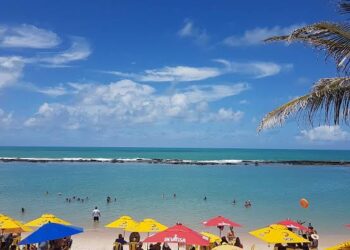
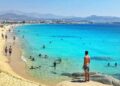
Praia de São Miguel dos Milagres is often associated with calm, shallow waters, where the sea usually remains warm and suitable for slow swimming or simply floating. The wide sandy stretch also allows for walking along the shore, resting under coconut trees, or spending time without much activity, with only the sound of waves in the background.
Beach Walks
The coastline extends across multiple connected beaches, making it possible to walk over longer distances. Coconut groves and small local settlements appear along the way, and some visitors move through these areas either on foot or by bicycle, though facilities may not be present everywhere.
Photography
The setting provides common coastal scenes, including variations of turquoise water, fishing boats resting on the sand, and palm-lined edges. Reflections during low tide may also be visible in certain areas. Light conditions during early morning and late afternoon are often preferred, but this can vary.
Nature & Relaxation
Apart from general beach use, some individuals spend time in quieter activities such as sitting, observing local fishing routines, or simple stretching practices. In nearby areas, there are also ecological points of interest, including river zones where certain marine species may be found, though sightings are not guaranteed and depend on conditions.