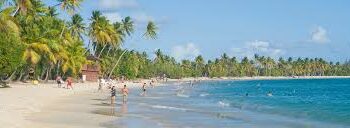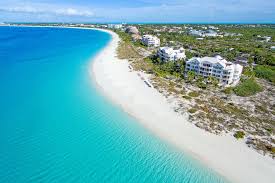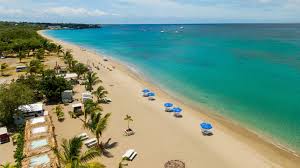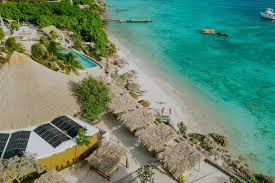

Introduction – Why Visit Cape San Blas?
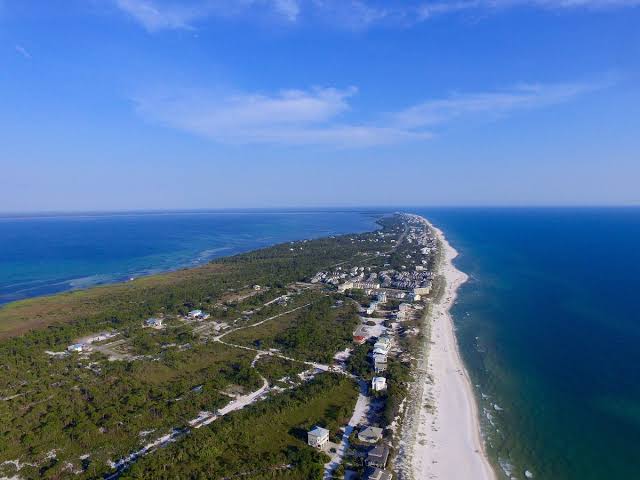
Cape San Blas occupies a narrow peninsula along Florida’s Gulf Coast and has earned a reputation as one of the state’s most peaceful seaside destinations. Unlike many well known beach towns that are lined with THE large hotels, nightlife and THE busy commercial districts, this stretch of coastline has remained comparatively undeveloped. The result is a landscape where white sand dunes, native vegetation, and open shoreline continue to define the scenery rather than high-rise buildings.
The beach attracts visitors looking for a slower pace. Many come for long walks, shell collecting, kayaking, fishing, or simply spending a day beside calm Gulf waters without heavy crowds. Families often appreciate the quieter environment, while photographers and the nature enthusiasts value the area’s unspoiled appearance. Even during busier travel periods, Cape San Blas usually feels more relaxed than many other destinations along Florida’s Panhandle.
Location and How to Reach Cape San Blas
Cape San Blas forms part of the St. Joseph Peninsula in Gulf County, roughly 30 miles (48 km) southwest of Port St. Joe. The peninsula extends into the Gulf of Mexico, creating scenic beaches on one side and the calmer waters of St. Joseph Bay on the other. Its setting gives visitors access to two distinct coastal environments within a relatively short distance.
Getting There
By car
Driving is by far the easiest option. From Panama City, the journey generally takes around 90 minutes, while travelers coming from Tallahassee should expect approximately two hours, depending on traffic and road conditions.
Ride-share or taxi
Transportation services operate in the region, although availability can be limited compared with larger Florida cities. Renting a vehicle is generally the more practical choice for most visitors.
Parking
Several public beach access points provide parking areas, but spaces may become limited on holiday weekends and during the busiest parts of summer. Arriving earlier in the morning usually makes parking easier.
What Makes Cape San Blas Different?
Cape San Blas stands apart because much of the peninsula has remained protected from extensive commercial development. Rather than shopping complexes or entertainment districts, visitors encounter stretches of dunes, coastal vegetation, maritime forests, and long sections of open beach.
The sand is exceptionally light in color and soft underfoot, while the Gulf water is often clear enough to reveal fish close to shore on calm days. Shell collectors frequently visit after the changing tides, when the new shells are deposited along the beach. Birdlife is also abundant particularly during the migration seasons, and it is not unusual to spot the shorebirds moving along the water’s edge.
One of the peninsula’s recognizable landmarks is the historic Cape San Blas Lighthouse. Although relocated from its original site because of coastal erosion, it continues to represent an important piece of local history and offers broad views across the surrounding landscape.
Best Time to Visit
Cape San Blas can be visited throughout the year, although each season offers slightly different conditions.
March through May generally provides comfortable temperatures, lower humidity, and fewer visitors than the peak summer season.
June through August brings warmer Gulf water, making swimming especially enjoyable, although afternoons can be hot and occasional thunderstorms develop.
October and November are favored by many travelers because the temperatures remain pleasant while the visitor numbers begin to decrease.
Weekdays are normally quieter than the weekends, creating a more peaceful atmosphere along the shoreline.
Late afternoon offers softer light for the photography and often produces impressive sunsets over the Gulf.
Things to Do at Cape San Blas
Spend Time on the Beach
The shoreline extends for miles, giving the visitors plenty of room to spread out. Swimming, sunbathing, or simply listening to the waves remain among the most popular ways to enjoy the area.
Search for Seashells
Cape San Blas has long been recognized as one of the better shelling locations along Florida’s Gulf Coast. Early morning walks or visits after a change in tides often produce the best results.
Fishing
Fishing is deeply connected with the local culture. Opportunities exist from the shoreline, nearby piers, and charter boats operating in the Gulf and St. Joseph Bay. Depending on the season, anglers may target species such as redfish, trout, flounder and Spanish mackerel.
Visit the Lighthouse
The Cape San Blas Lighthouse provides historical insight into the region while also offering elevated views across the peninsula. For many visitors, it complements a beach day with something slightly different.
Explore St. Joseph Bay
Kayaking and paddleboarding are common activities in the protected waters of the bay. The calmer conditions often make this side of the peninsula suitable for observing marine life, coastal birds, and native vegetation at a slower pace.
Travel Tips and Safety
Florida’s Gulf Coast receives strong sunshine for much of the year, so sunscreen, sunglasses, and a wide-brimmed hat are worth bringing. Drinking enough water is equally important, especially during warmer months.
Dining choices directly on the peninsula are relatively limited compared with larger resort destinations. Many visitors pack snacks or picnic supplies, while others choose to eat in nearby Port St. Joe before returning to the very beach.
Although the Gulf often appears calm, water conditions can change unexpectedly. Pay attention to beach warning flags, avoid swimming during the rough surf and remain aware of the rip currents whenever entering the water.
The dunes are an important part of the coastal ecosystem and help to protect the shoreline from the erosion. Staying on the marked access paths helps to preserve this fragile environment for the future visitors.
Final Thoughts
Cape San Blas presents a different side of Florida’s Gulf Coast. Instead of the busy boardwalks and the crowded entertainment districts, it offers the open beaches, the coastal landscapes and an atmosphere centered on the nature rather than the commercial attractions. For the visitors who appreciate the natural scenery and a slower pace, it remains one of the Panhandle’s most rewarding coastal escapes.