
Introduction – Why Visit John Pennekamp Coral Reef State Park?
John Pennekamp Coral Reef State Park is one of the Florida Keys’ most remarkable natural attractions and holds a very special place in the American conservation history. Established in 1963, it became the first underwater state park in the United States, protecting an important section of the living coral reef that stretches along the Florida Keys. Today, the visitors from around the world come here not only for its very beautiful scenery but also for the chance to experience one of the country’s richest marine ecosystems.
Unlike many coastal parks where the beach is the main attraction, much of Pennekamp’s beauty lies beneath the surface. Coral gardens, tropical reef fish, sea fans and the other marine species create an underwater landscape that attracts snorkelers and divers throughout the year. At the same time, those who prefer to stay dry can still appreciate the reef through glass-bottom boat excursions or explore the park’s mangrove-lined waterways by kayak. The variety of experiences available makes the park suitable for families, outdoor enthusiasts, photographers, and anyone interested in Florida’s coastal environment.
Location and How to Get There
John Pennekamp Coral Reef State Park is located in Key Largo, the northernmost island of the Florida Keys, in Monroe County. The main entrance sits just off the Overseas Highway (U.S. Highway 1) near Mile Marker 102.5. Because of its convenient location, many travelers include the park as one of the first major stops while driving through the Keys.
Getting There
By car
Driving is the most convenient way to reach the park. The journey from downtown Miami generally takes about one to one and a half hours, while visitors traveling from Key West should allow approximately two and a half hours.
By organized tour
Numerous tour operators based in Key Largo offer snorkeling, scuba diving, kayaking, and glass-bottom boat excursions that depart directly from the park or nearby marinas.
Parking and visitor facilities
A spacious parking area is available close to the visitor center. The park also includes picnic areas, restrooms, boat launch facilities, and a small beach. Admission fees apply, while tours and boat trips require separate tickets. Reservations are often recommended, particularly during the weekends and holiday periods.
What Makes John Pennekamp Different?
The park protects a portion of the only living coral barrier reef in the continental United States, making it one of the country’s most significant marine conservation areas. Beneath the clear waters, visitors can discover an impressive variety of coral formations, colorful reef fish, sea sponges, and the other marine organisms that thrive within the protected ecosystem.
Among its best-known attractions is the Christ of the Abyss, an underwater bronze statue positioned several feet below the surface. It has become a favorite destination for both snorkelers and scuba divers and is considered one of the most recognizable underwater landmarks in Florida.
The park extends well beyond the coral reef. Mangrove forests, seagrass meadows, shallow lagoons, and tropical hardwood hammocks support birds, fish, crustaceans, and countless other species. Because several different habitats exist within a relatively small area, visitors can experience remarkable biodiversity during a single visit.
Best Time to Visit
John Pennekamp Coral Reef State Park remains open throughout the year, although conditions change with the seasons.
April through October generally provides warmer water temperatures and excellent underwater visibility for snorkeling and diving.
December through March tends to bring cooler but comfortable weather, often accompanied by smaller visitor numbers outside holiday periods.
Morning hours are usually preferred because the winds are lighter and the ocean conditions are often calmer for the boat trips.
Weekdays normally offer a quieter atmosphere than weekends, especially during Florida’s busy tourism season.
Things to Do
Snorkeling and Scuba Diving
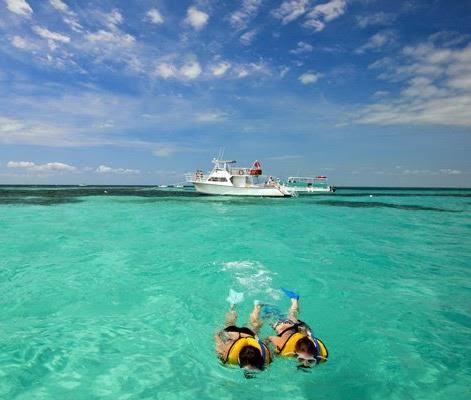
Exploring the coral reef is the park’s signature activity. Guided tours transport visitors to offshore reef sites where colorful tropical fish, coral formations, and other marine life can be observed in relatively clear water. Both beginners and experienced divers have several excursion options available.
Glass-Bottom Boat Cruises
Not everyone wants to enter the water, and fortunately it isn’t necessary. Glass bottom boat tours provide an excellent opportunity to observe coral reefs and the marine life while remaining comfortably aboard the vessel. These excursions are particularly popular with the families and visitors who do not swim.
Kayaking and Paddleboarding
The mangrove channels offer a completely different perspective of the park. Paddling through these calm waterways allows the visitors to appreciate the quieter side of the ecosystem while occasionally spotting birds, fish and the other wildlife along the shoreline.
Walking Trails and Beach Area
Although the underwater environment receives most of the attention, the park also includes short nature trails passing through tropical vegetation and mangrove habitats. A small swimming beach provides another pleasant place to relax between activities.
Wildlife Observation
Wildlife enthusiasts often encounter a surprising variety of species. Dolphins, manatees, sea turtles, wading birds, and numerous reef fish may all be seen depending on weather conditions and the season.
Travel Tips and Safety
Boat excursions are among the park’s most popular attractions, so booking tickets ahead of time is often worthwhile, particularly during holidays and school vacations.
Visitors planning to enter the water should bring reef safe sunscreen, swimwear, drinking water, sunglasses and a waterproof bag for the valuables. Snorkeling equipment can be rented locally if needed.
Protecting the coral reef is an important responsibility shared by everyone visiting the park. Coral should never be touched, stood upon, or collected, since even small amounts of damage may require many years for recovery.
Final Thoughts
John Pennekamp Coral Reef State Park offers an opportunity to experience one of Florida’s most valuable natural environments without traveling far from the mainland. Its protected coral reefs, diverse wildlife and the range of the outdoor activities make it appealing to visitors with many different interests, whether they prefer snorkeling above the colorful reefs or quietly paddling through the mangrove forests.