
La Jolla Cove, San Diego – A Complete Visitor’s Guide
Introduction – Why Visit La Jolla Cove?
Among the many coastal attractions found in Southern California, La Jolla Cove continues to stand out as one of San Diego’s most recognizable natural landmarks. The small cove is surrounded by the rugged sandstone cliffs, overlooking remarkably clear Pacific waters that support quite a diverse marine ecosystem. Although the beach itself is relatively compact, its scenery and the wildlife have earned it an international reputation, attracting the visitors throughout the year.
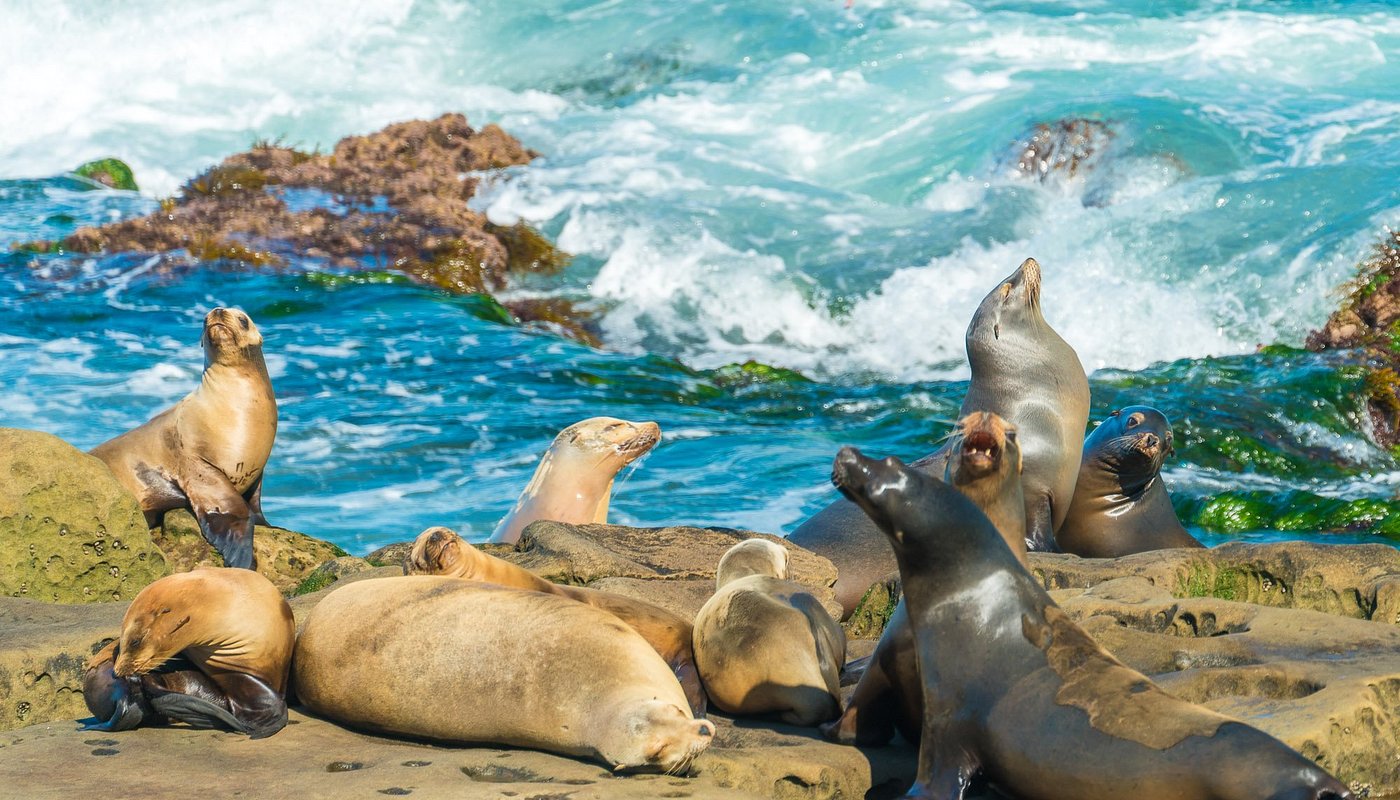
Unlike many larger beaches designed mainly for sunbathing, La Jolla Cove offers a combination of outdoor recreation, marine conservation and the spectacular coastal landscapes. It is common to see sea lions resting on nearby rocks, seabirds circling overhead, and the snorkelers exploring the underwater environment just offshore. Because the cove lies only a short walk from the restaurants, cafés, and boutiques of La Jolla Village, visitors can easily combine nature with dining and sightseeing in a single outing.
Whether someone is interested in photography, wildlife observation, swimming, or simply spending time beside the Pacific Ocean, La Jolla Cove provides an experience that is quite different from a typical urban beach.
Location & How to Reach La Jolla Cove
La Jolla Cove is situated within the La Jolla neighborhood of San Diego, California, approximately 12 miles (19 km) north of downtown. The cove forms part of the protected San Diego–La Jolla Underwater Park Ecological Reserve, an area created to preserve local marine habitats while allowing responsible public access.
Getting There
By car
Driving remains the most convenient option for many visitors. From downtown San Diego, the journey usually takes between 20 and 30 minutes, depending on traffic conditions, using Interstate 5 and local roads leading into La Jolla.
Parking
Street parking and several public parking lots are available near the shoreline. During weekends, holidays, and summer months, the spaces often fill early, so arriving in the morning generally improves the chances of finding the convenient parking.
By public transportation
Several Metropolitan Transit System (MTS) bus routes connect downtown San Diego with La Jolla. From the nearest bus stop, the cove can be reached with a short walk.
On foot
Visitors staying in La Jolla Village can easily reach the shoreline within a few minutes. The walk passes cafés, galleries, and landscaped streets that add to the area’s coastal character.
What Makes La Jolla Cove Different?
La Jolla Cove is distinguished by its protected marine environment rather than its size. Because the waters are part of a marine reserve where fishing is prohibited, marine life has remained unusually abundant. Snorkelers and divers often encounter bright orange Garibaldi fish, schools of smaller reef fish, rays, and, during certain seasons, even leopard sharks in nearby waters.
Perhaps the cove’s most recognizable residents are the California sea lions that frequently gather on the surrounding rocks. Their presence has become one of the area’s defining attractions, although the visitors are encouraged to observe them from a respectful distance without disturbing their natural behavior.
Towering sandstone cliffs frame the small beach, creating dramatic scenery that changes throughout the day as sunlight reflects across the Pacific Ocean. Tide pools become visible when water levels fall, revealing sea stars, anemones, hermit crabs, and many smaller marine organisms.
Best Time to Visit
La Jolla Cove can be enjoyed throughout the year because of San Diego’s generally mild climate, although some periods provide better conditions than others.
June through September usually offers the warmest weather and comfortable ocean temperatures.
Morning hours often provide calmer seas, clearer underwater visibility and much smaller crowds, making them ideal for snorkeling.
Weekdays are generally less busy than weekends, particularly outside the summer tourist season.
Low tide allows easier access to tide pools and exposes more of the rocky shoreline for exploration.
Things to Do at La Jolla Cove
Swimming and Snorkeling
The sheltered waters make the cove one of San Diego’s better locations for snorkeling and recreational swimming when ocean conditions are favorable. Equipment rentals are available nearby for visitors who do not bring their own gear.
Observe Marine Wildlife
Watching sea lions resting on coastal rocks has become one of the highlights of a visit. Depending on the season, seabirds, seals, and various fish species may also be seen throughout the reserve.
Explore the Tide Pools
During periods of low tide, the shallow pools appear among the rocks. These natural pools support a surprising variety of marine organisms and offer an educational experience for visitors of all ages.
Photography
The landscape provides excellent photographic opportunities throughout the day. The combination of cliffs, turquoise water, wildlife, coastal vegetation and the changing light creates attractive compositions for both amateur and professional photographers.
Visit La Jolla Village
After spending time at the shoreline, many visitors continue into La Jolla Village. The neighborhood contains numerous restaurants serving fresh seafood, cafés, local boutiques, museums, and public art, making it easy to extend the visit beyond the beach.
Travel Tips & Safety
Comfortable walking shoes are useful because many nearby viewpoints and walking paths include uneven surfaces. Sunscreen, sunglasses and a hat are recommended throughout the year, as the ultraviolet exposure can remain strong even during cooler months.
For visitors planning to snorkel, bringing or renting fins, a mask, and appropriate swimwear will improve the experience. Water shoes may also be helpful because certain entry points contain slippery rocks.
Wildlife should always be viewed from a respectful distance. Although the sea lions often appear calm, they are wild animals and should never be approached, touched or even fed. Visitors should also follow all the regulations within the marine reserve to help protect the fragile coastal ecosystem.
Arriving early is generally advisable, particularly during weekends and holidays when both parking areas and the beach become considerably busier.
Final Thoughts
La Jolla Cove offers considerably more than a traditional beach visit. Its protected marine reserve, abundant wildlife, dramatic sandstone cliffs and the proximity to one of San Diego’s most attractive neighborhoods create an experience that combines recreation, conservation, and scenic beauty in a single destination.