
Introduction – Why Visit Praia de Pirangi do Norte?
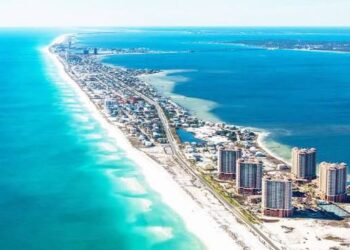
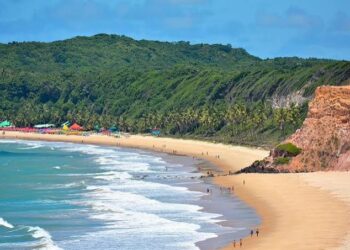
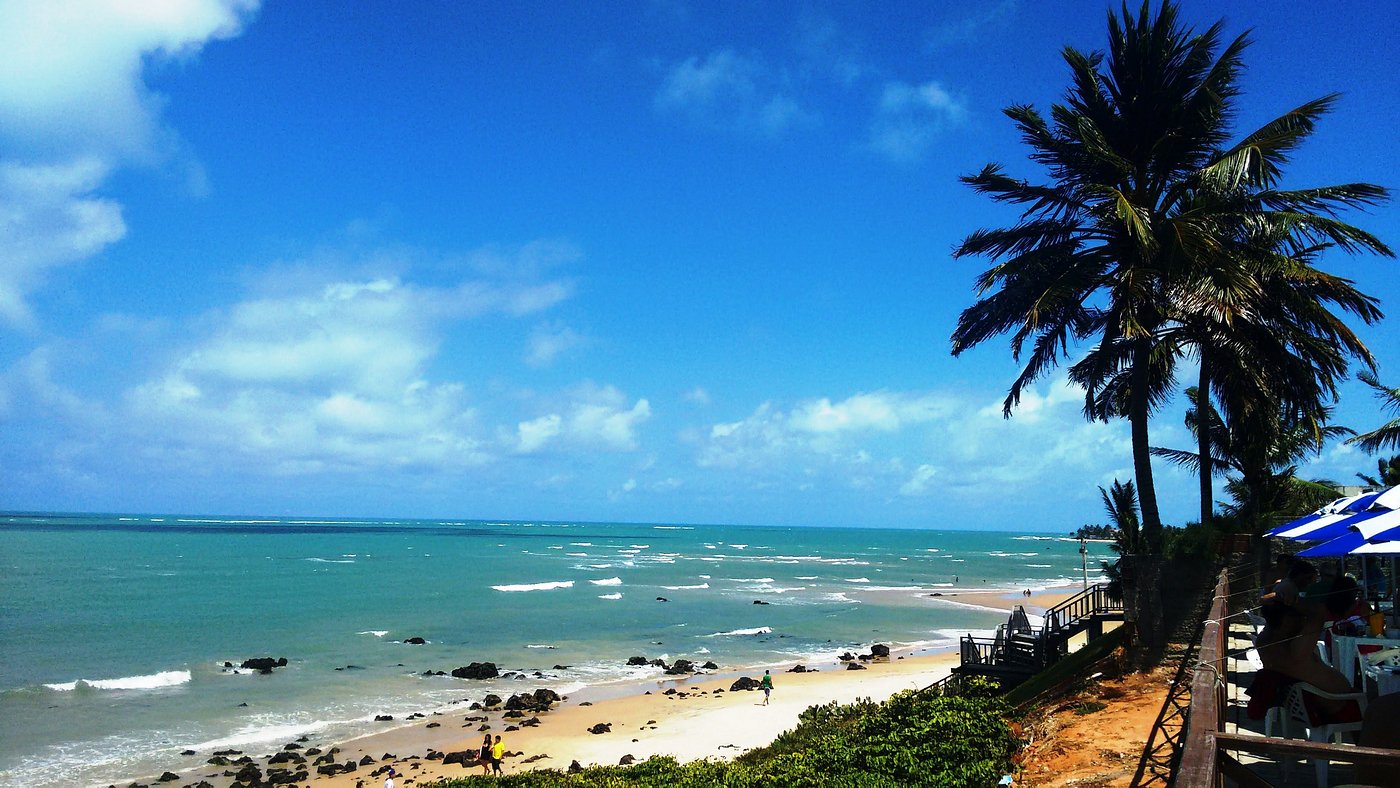
Located along the southern coastline of Natal, Praia de Pirangi do Norte is a destination that appeals to the travelers looking for a quieter side of Rio Grande do Norte. While the nearby beaches often attract larger crowds, Pirangi do Norte has managed to preserve a more relaxed rhythm of life, where the local fishermen, families, and visitors comfortably share the shoreline. The beach is recognized for its broad strip of golden sand, warm Atlantic waters and the pleasant atmosphere that encourages visitors to slow down and spend several hours by the sea.
Another reason the area receives attention is its proximity to the Maior Cajueiro do Mundo, the famous giant cashew tree that has become one of the state’s best-known attractions. Because both places are only minutes apart, many visitors include them in the same itinerary. The combination of natural scenery, the local culture and the easy accessibility makes Praia de Pirangi do Norte an enjoyable destination for people of different travel styles, whether they are visiting as a family, a couple, or independently.
Location & How to Reach Praia de Pirangi do Norte
Praia de Pirangi do Norte lies approximately 20 kilometers south of Natal’s city center in the municipality of Parnamirim. The beach follows the coastal highway, making the journey straightforward for both local residents and tourists staying around Natal or Ponta Negra.
Transportation Options
By car
Driving is usually the fastest method. Depending on traffic, the trip from Natal generally takes between 20 and 30 minutes using the RN-063 and nearby coastal roads.
By taxi or ride-sharing apps
Ride-sharing services operate throughout the region and provide a practical choice for visitors who prefer not to drive.
By public transport
Several municipal buses connect Natal with Pirangi do Norte. Although the journey takes longer, it remains an economical option for budget travelers.
From Natal International Airport
Travelers arriving by air can normally reach the beach within 30 to 40 minutes by taxi, transfer service, or rental vehicle.
Parking areas are available close to the beachfront, although spaces become more limited during weekends, school holidays, and the summer season.
What Makes Praia de Pirangi do Norte Different?
Unlike some of Natal’s busier beaches, Pirangi do Norte has developed without losing much of its local character. The shoreline is wide enough to accommodate the visitors comfortably, even during periods of higher demand, and there is usually enough open space for those who prefer a quieter place to relax.
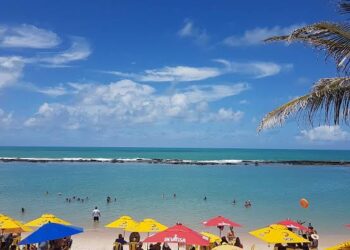
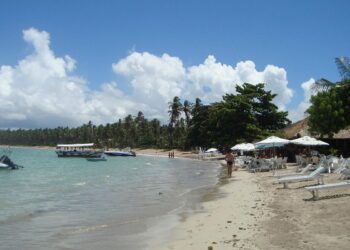
Sea conditions are commonly suitable for swimming, particularly during the calmer weather and the favorable tides. Small fishing boats can often be seen anchored offshore, adding to the coastal scenery and reflecting the area’s long connection with the traditional fishing activities.
The beach is also known because of the nearby giant cashew tree, whose enormous canopy covers thousands of square meters. Few beaches in Brazil can claim to have such an unusual natural landmark within the walking distance, giving the area an identity that goes beyond its very coastline.
Beach kiosks and family-operated restaurants provide food, drinks and the rental chairs without creating an overly commercial atmosphere. Many visitors appreciate this balance between the convenience and simplicity.
Best Time to Visit
The climate remains warm throughout much of the year, although some months generally provide better beach conditions than others.
September through March usually brings more sunshine and relatively lower rainfall, making the outdoor activities more enjoyable.
December to February marks the busiest holiday period, when the visitor numbers increase considerably.
Morning hours are often preferred by the swimmers because the temperatures are milder and the sea can be calmer.
Weekdays usually provide a quieter experience than weekends, when many local residents also visit the beach.
Things to Do at Praia de Pirangi do Norte
Enjoy the Beach
The main attraction remains the beach itself. Visitors can swim, sunbathe, read under an umbrella or just simply spend time appreciating the coastal scenery. The gradual shoreline also makes certain sections comfortable for families with children.
Visit the Giant Cashew Tree
Only a short distance away stands the famous Maior Cajueiro do Mundo, officially recognized as the world’s largest cashew tree. Elevated walkways allow the visitors to explore the enormous branches while learning about its history and the unusual growth pattern.
Walk Along the Coast
The beach offers enough space for long walks, particularly during low tide. Early mornings and late afternoons provide pleasant temperatures and attractive coastal views.
Photography
Photographers often appreciate the combination of fishing boats, open beaches, tropical vegetation and the changing light throughout the day. The nearby cashew tree also provides unique photographic opportunities that cannot easily be found elsewhere.
Try Local Cuisine
Several beachfront establishments prepare regional seafood dishes, grilled fish, shrimp, and traditional northeastern Brazilian recipes. Fresh coconuts and the tropical fruit juices are widely available throughout the day.
Travel Tips & Safety
Light clothing, sunscreen, sunglasses, and a hat are recommended because sunlight remains intense during most seasons. Carrying water is also advisable, especially when planning to spend several hours outdoors.
Although the digital payments are becoming increasingly common, some smaller kiosks may still prefer the cash.
Sea conditions may change depending on the tides and weather, so the visitors should observe local safety flags and follow any advice provided by lifeguards. Personal belongings should remain under supervision, particularly during the busy holiday periods.
Planning enough time to visit both the beach and also the giant cashew tree can make the trip more rewarding, as each attraction offers a different perspective on very the region.