
Morro Branco, Beberibe – Complete Travel Guide to Ceará’s Colorful Cliff Beach
Introduction – Why Morro Branco Is Special
Morro Branco is situated along the eastern coastline of Ceara, within the municipality of Beberibe, at a distance of around 85 kilometres from Fortaleza. The beach is mainly recognised because of its coloured cliff formations, lighter sand areas, and geological features that appear different from many coastal sections found elsewhere in the region.
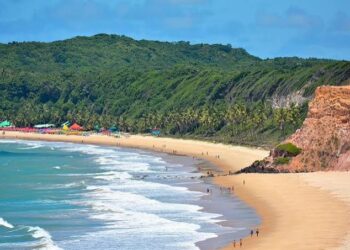
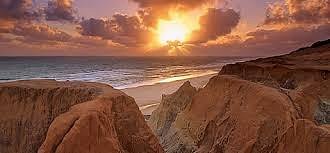
One of the better known parts of the area is the Labirinto das Falésias, where erosion caused over time by wind and rain has created narrow passages through layers of coloured clay. Shades of red, yellow, orange, and sometimes greenish tones may be noticed along the cliff surfaces, although visibility and colour intensity can change depending on weather and sunlight.
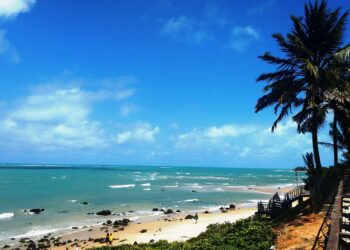
The surrounding landscape also includes white sand stretches, sections with freshwater emergence, and open Atlantic views. Because of this combination, the location is often visited by people interested in photography, walking routes, or natural scenery. In certain periods the environment may appear quite dramatic visually, though conditions are not always same throughout the year.
Location & How to Reach Morro Branco
Where Morro Branco is located
Morro Branco is situated in the municipality of Beberibe, along the coastline region known as the Costa do Sol Nascente in Ceará. The beach lies at a distance of approximately 85 kilometres from Fortaleza, with travel time usually ranging between one and a half to two hours depending on road and traffic conditions.
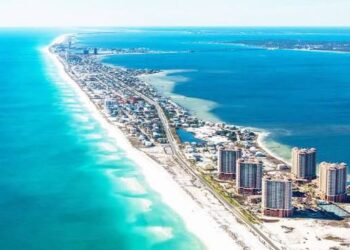
The area is also located relatively close to other coastal attractions, including Praia das Fontes and Canoa Quebrada. A long section of pale sand extends along the shoreline, backed by high cliffs showing different colour layers formed naturally over time.
How to reach Morro Branco
Organised tours: Many visitors arrive through day tours departing from Fortaleza. Some packages include transport, local guides for the cliff area, and stops at nearby beaches. In certain cases, buggy rides are also included as part of the excursion.
By car: Access is commonly made through the CE-040 highway.
Best Time to Visit Morro Branco
Morro Branco experiences warm weather conditions throughout most of the year, as is common across much of Ceará. Seasonal differences are generally more connected with rainfall levels rather than major temperature changes.
The period between June or July and December or early January is usually regarded as more favourable, since rainfall tends to be lower and outdoor conditions are often more stable for activities such as cliff walks and buggy excursions. The period between August and December is often viewed as one of the more suitable times for visiting, mainly because weather conditions are usually drier during these months. Even so, changes in climate and rainfall may still occur from time to time.
From December until March, the atmosphere generally becomes warmer and more humid. Brief rainfall is not unusual during this phase, and beaches in the region often receive larger numbers of visitors because of holidays and vacation travel.
Earlier parts of the day are commonly preferred for walking through the cliff labyrinth sections, since temperatures later in the afternoon can feel considerably stronger. Weekdays usually remain calmer in comparison, whereas weekends tend to bring more local movement and short-term visitors from surrounding areas.
Things to Do at Morro Branco
Exploring the Cliffs & Labyrinth
Morro Branco is especially known for the coloured cliff maze referred to as the Labirinto das Falésias. Many visitors move through the area with local guides, who often explain aspects related to the rock formations, erosion processes, and traditional sand art found in the region. Small payments or donations are commonly requested for guided walks. The narrow passages and changing cliff colours also create many opportunities for photography.
Beach Relaxation & Swimming
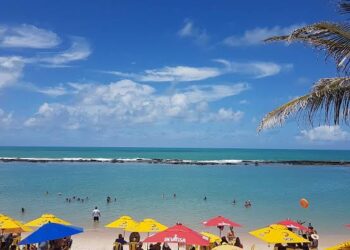
The beach contains long sections of pale sand where visitors usually spend time resting or remaining near the barracas, which often provide drinks, food, seating, and shower facilities. In some tide conditions, calmer pools form closer to shore and may be used for swimming, although stronger ocean movement can still occur in open sections of the beach.
Buggy Rides & Adventure
Buggy excursions are among the more popular activities in the area. Routes generally pass through dunes, sandy coastal tracks, and neighbouring beaches, sometimes including places such as Praia das Fontes. These rides are often chosen by visitors looking for faster paced outdoor activity, though driving conditions may vary depending on weather and sand conditions.
Photography & Natural Scenery
The contrast between reddish cliffs, lighter sand, and the Atlantic Ocean creates scenery that is frequently photographed, particularly during late afternoon hours when sunlight changes the colour intensity of the cliffs. Certain parts of the area also contain freshwater springs and small lagoon-like formations.
Cultural Experiences
Local handicrafts are commonly sold near the beach area, especially decorative sand art made using naturally coloured sands collected from the cliffs. In some periods, visitors may also find short jangada boat rides available along nearby coastal sections, although availability is not always same every day.
Travel Tips & Safety
Visitors to Morro Branco generally benefit from carrying a few basic items before exploring the area. Comfortable walking shoes or sturdy sandals are often more suitable for moving through the cliff sections and sandy paths. Sunscreen, drinking water, a hat and light snacks are also useful, especially during hotter periods of the day. Small amounts of cash may help when dealing with local guides or smaller vendors, since payment options are not always same everywhere.
Large shopping facilities are limited near the beach zone, although many barracas provide meals, seafood dishes, drinks, seating areas, and basic amenities for visitors spending longer periods by the coast.
Environmental care is also emphasised in the region. The cliffs and dune areas are relatively fragile, therefore visitors are expected to avoid damaging surfaces and dispose of waste properly using available facilities.
Due to the strong sun and coastal heat, remaining hydrated is important throughout the visit. In certain periods, especially near vegetation or during evening hours, mosquito repellent may also become useful.