
Introduction – Why Praia de Paripueira Is Special
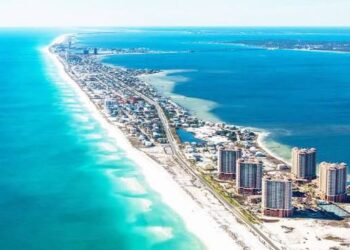
Praia de Paripueira is a calm and very scenic beach located just north of Maceió, in the state of Alagoas. It has been gaining attention over the years, although it still keeps a relatively quiet and local atmosphere compared to the more crowded urban beaches closer to the capital.
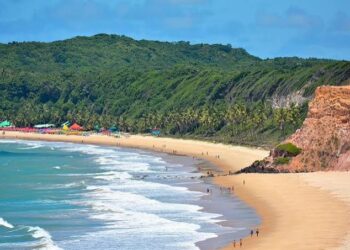
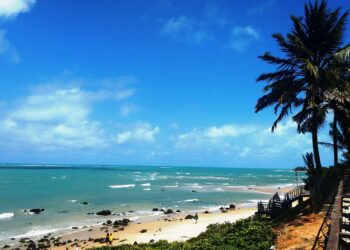
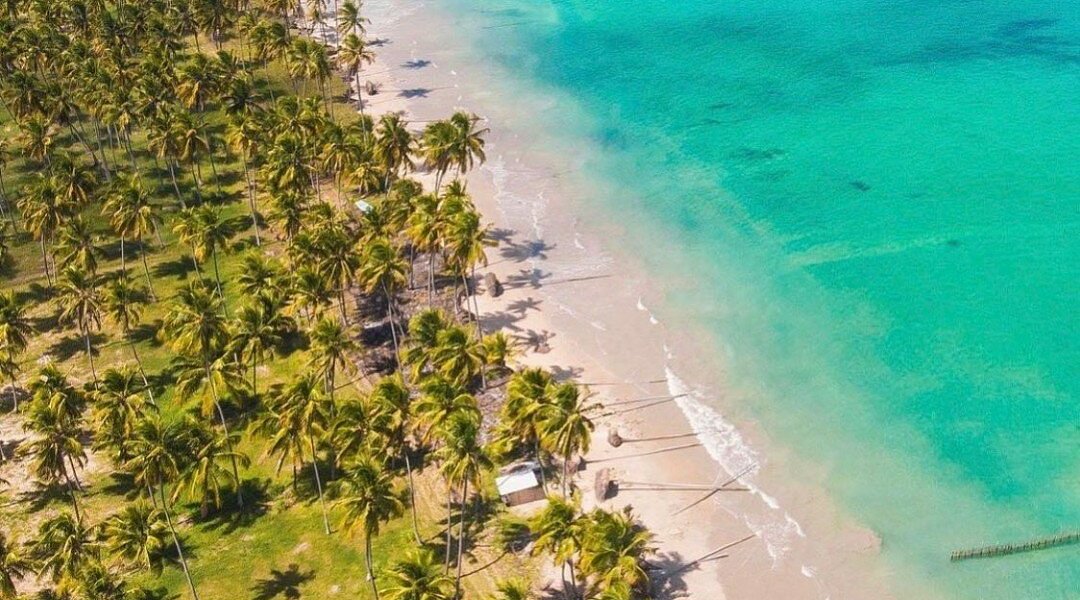
What really defines Paripueira is the combination of long stretches of soft white sand and extremely clear, shallow water that turns a bright turquoise shade on sunny days. At low tide, large natural pools form over the coral reefs, and this becomes one of the main highlights for visitors. The sea feels more like a warm lagoon in many parts, which is why families with children often prefer this beach.
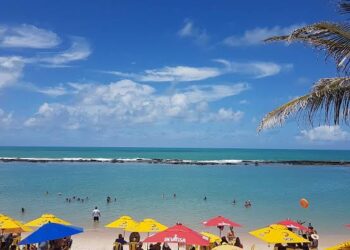
Unlike highly commercialized destinations, Paripueira still retains something of a fishing village character. You will see simple beach barracas, local fishermen, and a slower rhythm of life. It is not overly developed, yet it still provides the basic structure needed for quite a comfortable day by the sea.
In general, it is a place suited for people who want calm waters, natural scenery, and a break from busier tourist hotspots along the Alagoas coast.
Location & How to Reach Praia de Paripueira
Where Praia de Paripueira is located
Paripueira is situated around 35 kilometers to north of Maceió following the usual AL-101 coastal highway. The drive usually takes about 40 to 50 minutes depending on traffic conditions. The beach lies between Ipioca and the more famous Maragogi region and the surroundings are mostly made up of coconut palms, small homes, and fishing activity rather than large resort developments.
How to reach Praia de Paripueira
By car or ride share:
This is the simplest option. From Maceió, the coastal road (AL-101) provides quite a direct and scenic route. Taxis and ride apps like Uber are quite commonly used and fairly affordable for the distance.
By organized tours:
Many travel agencies in Maceió offer day trips to Paripueira. These typically include transport, time at the natural pools and sometimes lunch or boat activities depending on the package.
By public bus:
There are buses leaving from central Maceió or the Ponta Verde area. However, this option is quite less comfortable if you are carrying beach equipment or planning a longer stay.
Once you arrive, the area is fairly compact. The village and beach access points are close to the main road, and it is easy to walk around.
What Makes Praia de Paripueira Unique
Paripueira stands out mainly because of its natural tide pools, which appear during the low tide and create wide, shallow areas of crystal clear water. These pools are protected by coral reefs offshore, which also keeps the sea calm and safe for swimming most of the time.
The sand is light and fine, and the coastline is long enough that even on busier days you can still find quieter stretches. Compared to more developed parts of Maceió, Paripueira feels simpler and more local. It is not quite dominated by any large hotels or resorts, which helps to preserve its peaceful character.
The overall experience is shaped by nature rather than tourism infrastructure. Calm water, open views, coconut trees and a slow pace of life define the very atmosphere.
Best Time to Visit Praia de Paripueira
The climate in Alagoas remains warm throughout the year, usually between 25°C and 30°C, so it is always technically beach weather. However, some periods are better depending on what you want to do.
September to March:
This is generally the driest and sunniest stretch of the year. Water clarity is usually at its best, especially for snorkeling in the natural pools. December to February tends to be the busiest period.
Low tide periods:
This is probably the most important factor. The natural pools only fully reveal themselves when the tide is low, so checking tide tables makes a big difference.
Things to Do at Praia de Paripueira
Swimming & beach relaxation
The water here is quite warm and shallow in many areas, making it quite ideal for relaxed swimming or simply floating. Many visitors spend most of the day under umbrellas from the barracas, resting on the sand.
Natural pools & snorkeling
At low tide, the coral formations create natural aquariums filled with small fish. Snorkeling is one of the main activities and even the beginners can enjoy it safely in these calm waters.
Boat and jangada rides
Traditional wooden jangadas are often used for short trips out to the reef areas. These small boat rides are typically guided by local fishermen.
Walking and photography
The long stretch of beach makes it easy to walk for quite some distance. The combination of turquoise water, coral formations, and coconut trees creates strong photographic scenery.
Local food and village atmosphere
The beach barracas serve fresh seafood dishes, simple snacks and cold drinks. The experience is informal but also enjoyable, with quite a strong local flavor.
Travel Tips & Safety
Essentials:
Bring sunscreen, a hat, water, cash for small purchases, and ideally water shoes for walking over reef areas. A snorkel mask is useful if you plan to explore the pools.
Food & drink:
Most barracas serve fresh fish, shrimp dishes and the regional food. The quality is generally quite good and prices are reasonable compared to larger tourist centers.
Safety:
The beach is considered safe and family friendly. Still it is very important to pay attention to tides and avoid walking on exposed coral when the water is quite low.
Environment:
The coral reefs are fragile, so they should not be touched or stepped on. Responsible behavior also helps preserve the natural ecosystem.
Best approach:
Visiting on a weekday during low tide usually gives the most complete experience of Paripueira.