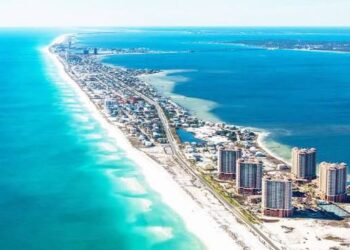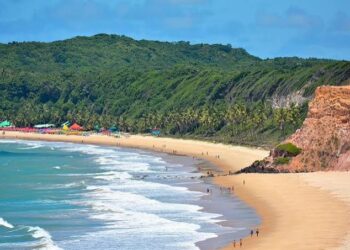

Praia de Coroa Vermelha is quite a well known coastal destination situated in Santa Cruz Cabrália, in the southern portion of Bahia. The beach attracts throngs of visitors not only because of its natural scenery but also due to its place in Brazilian history. According to the historical accounts, the region is also associated with some of the earliest Portuguese landings during the year 1500, which is an event that remains important in the country’s historical narrative.
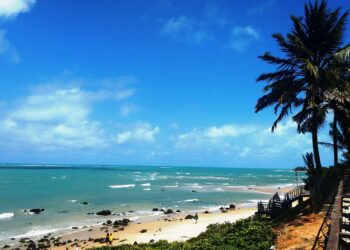
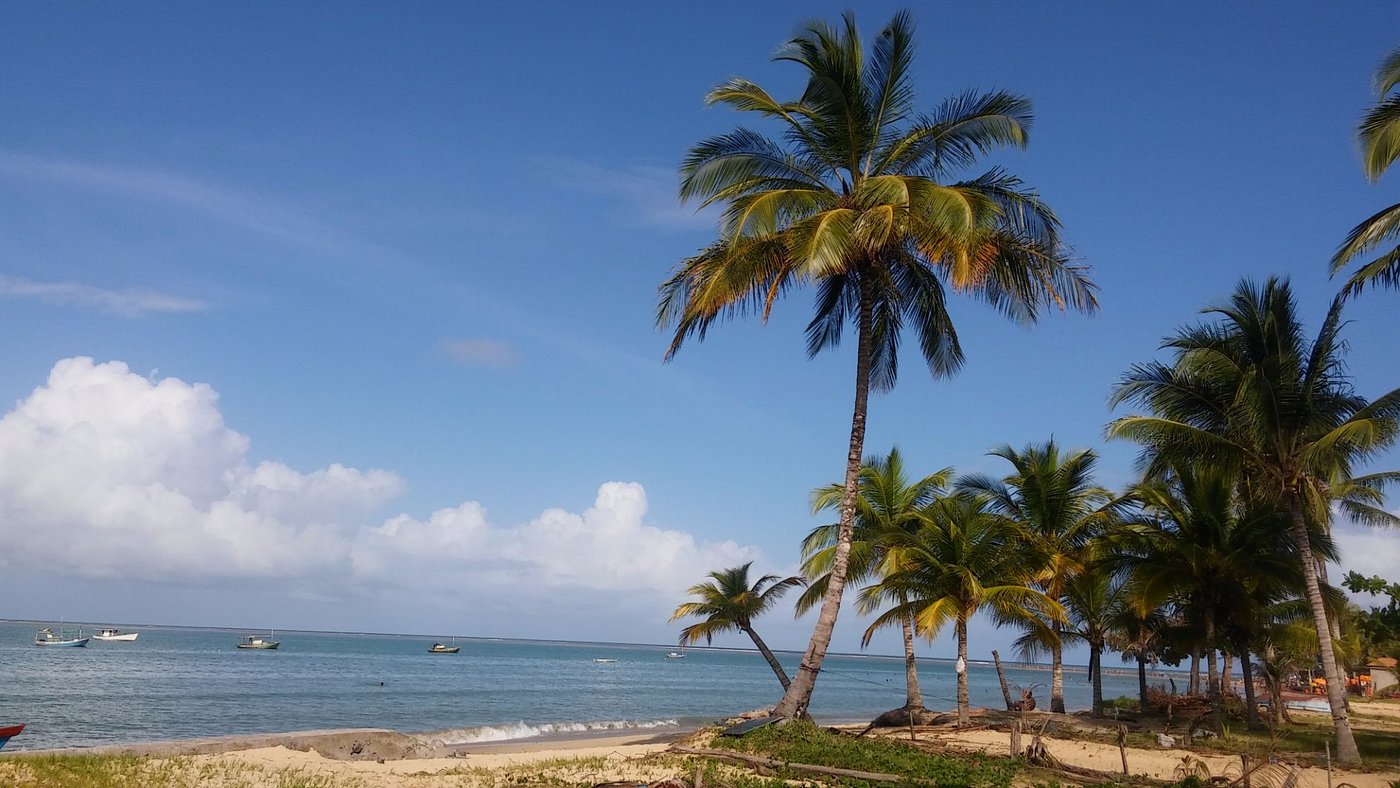
The landscape is characterized by a long strip of light colored sand, warm ocean waters, and extensive coral formations located offshore. During periods of low tide, these reefs help create shallow natural pools where the water often becomes remarkably clear. In certain conditions, fish and other small marine species can be observed without needing to venture quite far from the shoreline.
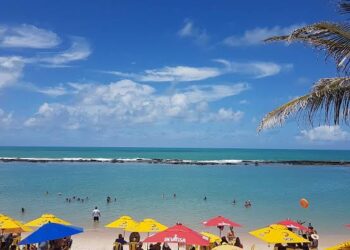
Unlike some of the beaches that focus mainly on nightlife or water sports, Coroa Vermelha offers a broader mix of experiences. Visitors may spend time swimming, exploring the reef pools, learning about local history or simply enjoying the coastal scenery. Families often appreciate the calmer waters formed by the reef barrier, while the photographers are usually drawn to the changing colours of the sea throughout the day.
Another aspect that contributes to the popularity of the area is its location. Being relatively close to Porto Seguro, it can be visited as either a day trip or a longer stay. Despite the growth of tourism over the years, parts of the coastline still retain a more traditional atmosphere, particularly outside the busiest holiday periods.
Location & How to Reach Praia de Coroa Vermelha
Where Praia de Coroa Vermelha Is Located
Praia de Coroa Vermelha is located within the municipality of Santa Cruz Cabrália, approximately 25 kilometres north of Porto Seguro. The beach faces the Atlantic Ocean and the stretches along a section of the coastline known for its exotic coral formations and shallow waters.
A large reef system lies some distance offshore and acts as a natural barrier against stronger waves. Because of this feature, the sea near the beach often appears calmer than at many other locations along the Bahia coast. During low tide, portions of the reef become more visible, revealing the formations that gave the beach its name.
How to Reach Praia de Coroa Vermelha
By car or a ride share: Travelling from Porto Seguro by road is generally quitew straightforward. Depending on traffic conditions, the journey usually takes between thirty and forty minutes. Ride share services and taxis are commonly available throughout the area.
By local bus: Public transportation operates regularly between Porto Seguro, Santa Cruz Cabrália and Coroa Vermelha. This option is quite frequently used by both residents and visitors.
Through organized tours: Many tourism companies include beach in their very itineraries. Such excursions often combine visits to historical landmarks, nearby beaches, and cultural attractions.
From Arraial d’Ajuda: Visitors normally cross the Buranhém River by ferry before continuing north by road. Travel times vary according to traffic and seasonal demand.
Parking facilities exist near the beach, although spaces can become difficult to find during holidays and peak tourism months.
What Makes Praia de Coroa Vermelha Unique
Several characteristics distinguish Praia de Coroa Vermelha from many other beaches in northeastern Brazil. The most notable feature is also the extensive reef system located offshore. At the low tide, these reefs form a network of natural pools with calm water and good visibility. Such conditions make the area particularly attractive for swimming and casual snorkeling.
The beach is also associated with an important chapter in Brazilian history. As a result, many visitors come not only for the recreation but also to learn something about the historical significance of the region.
Another interesting aspect is the contrast between different parts of the shoreline. Areas which is close to the main beach facilities can be lively and active, with music, restaurants and some groups of visitors, while the sections farther away often feel considerably quieter and more relaxed.
The combination of historical relevance, accessible reef pools and a vibrant beach atmosphere gives Coroa Vermelha a character that differs from many neighboring destinations.
Things to Do at Praia de Coroa Vermelha
Snorkeling and Exploring the Natural Pools
For many visitors, the reef pools are the primary attraction. During the low tide, the shallow areas filled with the marine life become quite accessible, creating opportunities to observe the fish and underwater formations in relatively calm conditions.
Swimming and Relaxation
The protected waters created by the reef system are quite suitable for leisurely swimming. Many visitors also choose to spend several hours relaxing on the sand, particularly during warmer months.
Visiting Historical Landmarks
A monument commemorating the arrival of Portuguese explorers can also be found near that beach. The site provides an opportunity to connect the area’s natural beauty with its historical importance.
Photography
The changing colours of the water, the reef formations, traditional fishing boats, and the coastal scenery offer numerous photographic opportunities throughout the day.
Dining and Local Culture
Restaurants and beach kiosks serve seafood dishes, regional Bahian recipes, snacks and cold drinks. During busy periods, the live music and cultural performances may also take place near the waterfront.
Travel Tips and Safety
Visitors should consider bringing sunscreen, drinking water, a hat and footwear suitable for walking on uneven reef surfaces. Checking the local tide information before arrival is strongly recommended, particularly for those interested in exploring the natural pools.
The beach is generally regarded as tourist friendly and relatively safe during daytime hours. Nevertheless, the normal precautions regarding personal belongings should still be followed. Swimming should preferably take place in designated areas, and caution is advised when walking across reef sections because surfaces can become slippery.
Environmental preservation remains especially important here. Coral formations are fragile and can be damaged easily. Visitors should avoid standing on living coral and should refrain from disturbing marine species encountered in the pools.