
Introduction – Why Praia Grande Is Special
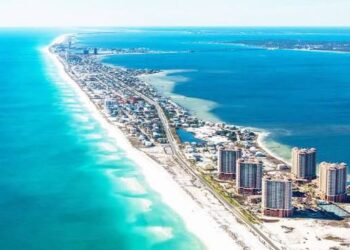
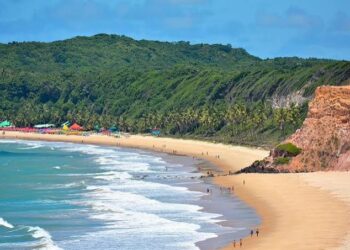
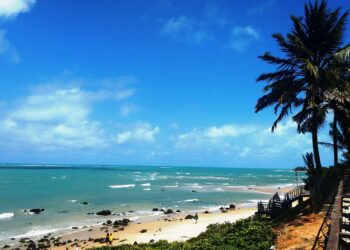
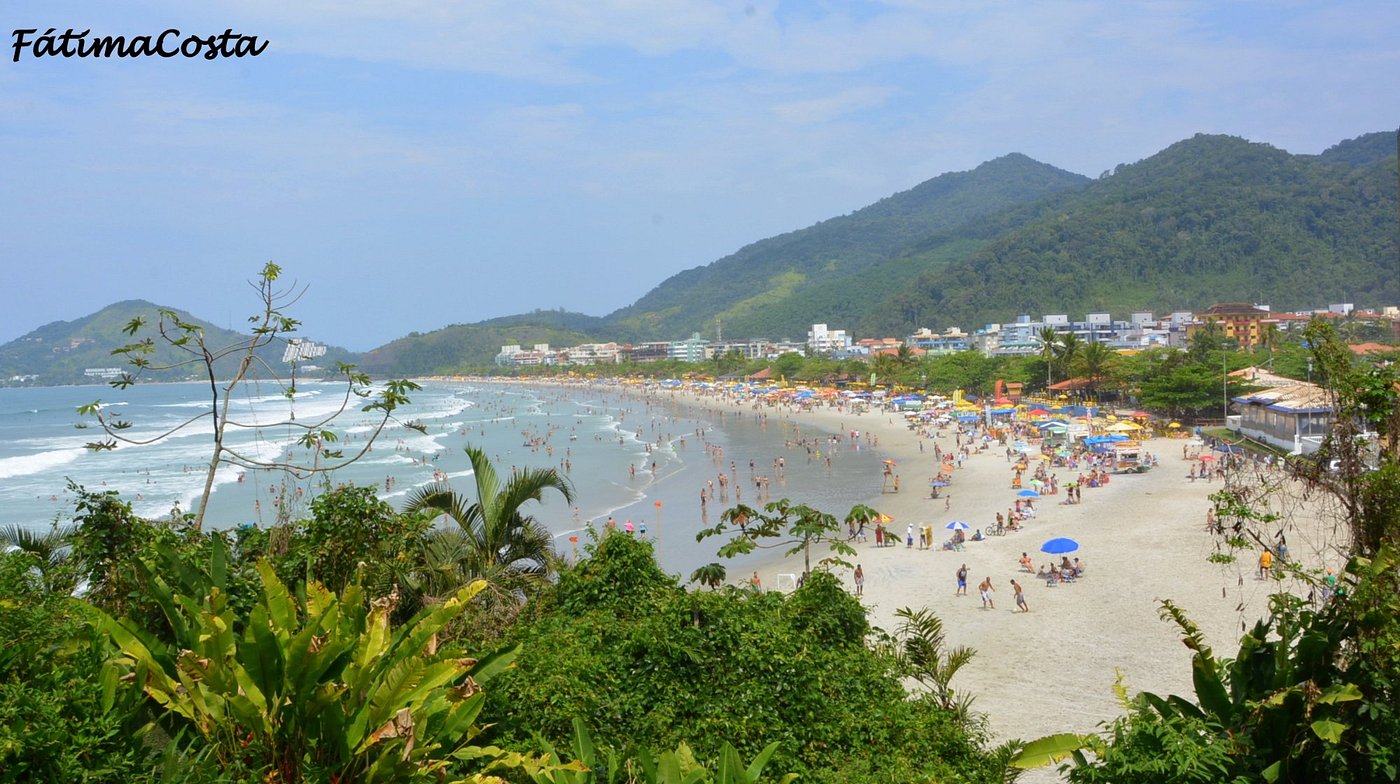
Praia Grande is one of the most recognized coastal destinations in the state of São Paulo and has developed into a favorite getaway for residents of the metropolitan region. Extending for more than 10 kilometers along the Atlantic coast, the beach is known for its broad strip of golden sand, open sea, reliable waves, and an energetic waterfront that remains active throughout much of the year. Despite being highly urbanized, the shoreline still provides enough room for visitors to spread out, even during the periods when the tourism reaches its peak.
Its location, only a relatively short drive from São Paulo city, has contributed greatly to its popularity. Many people visit for a weekend escape, while others choose to spend longer holidays enjoying the combination of beach life and city conveniences. Families appreciate the accessible facilities, surfers are drawn by sections with stronger swells and the walkers often make use of the long seafront promenade. Praia Grande offers a varied coastal experience, balancing recreation, relaxation and urban comfort in a way that few beaches in the southeastern Brazil can match.
Location & How to Reach Praia Grande
Praia Grande is situated in the municipality of the same name within the Baixada Santista metropolitan region. It lies approximately 70 kilometers from São Paulo and shares the borders with Santos and São Vicente, making it one of the easiest seaside destinations to reach from Brazil’s largest city.
The coastline stretches from the area near Ponte dos Imigrantes toward the municipal boundary with São Vicente. Behind the beach is a well-developed urban landscape consisting of apartment buildings, hotels, restaurants, supermarkets, public squares, and a spacious waterfront promenade that extends almost the entire length of the coast.
How to Reach Praia Grande
By car: Driving remains the most common choice. Visitors usually travel via Rodovia dos Imigrantes or Rodovia Padre Manoel da Nóbrega. Under normal conditions the journey takes around one to one and a half hours, although travel times can become noticeably longer during weekends, public holidays, and summer vacations.
By intercity bus: Frequent services depart from both Jabaquara and Tietê Bus Terminals in São Paulo, providing the direct connections to Praia Grande throughout the week.
By taxi or rideshare: Travelers arriving from Santos, São Vicente, or nearby airports can easily reach the beach using the rideshare services or taxis.
Because Praia Grande forms part of the greater São Paulo coastal network, transportation options are generally quite reliable and suitable for both the short visits and extended stays.
What Makes Praia Grande Unique
One characteristic that immediately distinguishes Praia Grande is its remarkable size. The uninterrupted shoreline provides one of the longest urban beaches in Brazil, giving visitors plenty of open space for walking, sports and other leisure activities.
Wave conditions vary along the different sections of the beach. Certain areas receive stronger swells that attract the surfers and the bodyboarders, while other stretches remain comparatively calmer and are often chosen by families for swimming. Conditions naturally change according to weather and tides, so checking the local information before entering the sea is always advisable.
The waterfront itself contributes greatly to the beach’s appeal. A wide promenade includes dedicated cycling lanes, jogging paths, landscaped gardens, outdoor fitness stations, children’s play areas and numerous benches overlooking the Atlantic. Throughout the day the promenade remains active with residents exercising, cyclists, street performers, food vendors, and visitors simply enjoying the sea breeze.
Restaurants, cafés, bakeries, hotels, and shopping facilities are spread throughout the surrounding neighborhoods, meaning that most services are never far away. This combination of urban convenience and a broad natural shoreline gives Praia Grande a character that feels both energetic and welcoming.
Best Time to Visit Praia Grande
The region experiences a humid subtropical climate, with warm temperatures throughout much of the year.
December to March: These are the hottest months and also the busiest. The beach develops a festive atmosphere as the visitors from São Paulo and neighboring cities arrive for holidays and summer vacations.
May to August: Temperatures become milder, while stronger ocean swells often create favorable conditions for surfing. Occasional rainfall may occur during this period.
Things to Do at Praia Grande
Surfing and Bodyboarding
Several sections of Praia Grande receive consistent Atlantic waves suitable for surfing and bodyboarding. Local schools and rental shops make it possible for beginners to take lessons while experienced surfers can explore different breaks along the coastline.
Swimming and Beach Leisure
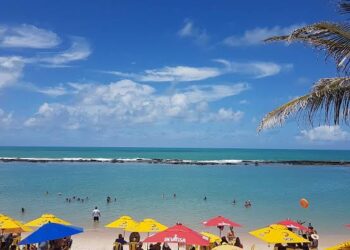
When sea conditions are favorable, many visitors enjoy swimming close to shore before relaxing beneath umbrellas provided by beach kiosks. The wide sandy beach offers enough space for volleyball, football or simply spending the afternoon beside the ocean.
Walking, Running and Cycling
The extensive promenade is one of the city’s highlights. Whether walking in the early morning, jogging before sunset, or cycling along dedicated paths, the waterfront provides uninterrupted coastal views for several kilometers.
Water Sports
Besides surfing, visitors may find opportunities for stand-up paddleboarding, kayaking, jet skiing, and occasionally kitesurfing when wind conditions become suitable.
Restaurants and Evening Activities
Praia Grande offers an impressive variety of dining choices, ranging from the simple beachfront kiosks to seafood restaurants and family-owned eateries. Fresh fish, shrimp dishes, grilled meats, pizzas and Brazilian regional cuisine are widely available. During summer evenings, the promenade becomes noticeably livelier as cafés and bars remain open later than usual.
Travel Tips & Safety
Those planning to surf should consider checking local wave forecasts before arriving, since conditions can vary considerably throughout the week.
Both cash and payment cards are accepted in most establishments, although some smaller vendors may still prefer the cash transactions.
Swim only where lifeguards are present and remain much aware of the warning flags, as currents and wave strength may change unexpectedly along different parts of the beach.
As with most busy urban beaches, keeping valuables secure and avoiding unnecessary displays of expensive belongings is recommended, especially during crowded weekends or after dark.
Visitors with additional time often combine Praia Grande with nearby destinations such as Santos or São Vicente, both of which can easily be explored during the same trip.