
Introduction – Why Praia de Ipioca Is Special
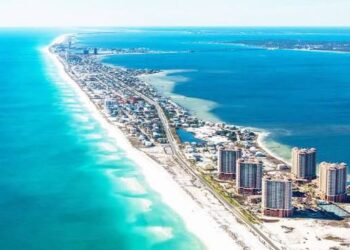
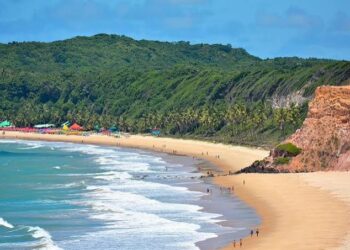
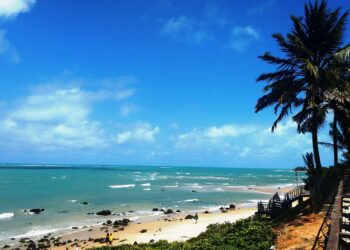
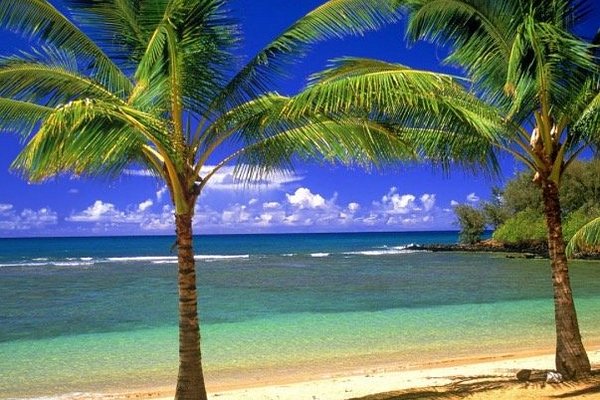
Praia de Ipioca is situated to the north of Maceió, in the state of Alagoas, and is often mentioned among the more peaceful coastal areas in the region. The beach is marked by quite long stretches of pale white sand and waters that tend to shift between turquoise and green shades, depending on light and tide conditions. Coconut palms run along much of the shoreline, adding to its typical tropical setting.
In general, the sea remains calm and relatively shallow, with reef formations helping to reduce the wave strength. This makes swimming conditions more relaxed compared to the more exposed beaches nearby. The area is commonly chosen by families and visitors who prefer a quieter environment away from the busier urban beachfronts of Maceió. While there are some beach clubs and basic facilities, development is limited enough that the beach still keeps a fairly calm and open character.
Location & How to Reach Praia de Ipioca
Where Praia de Ipioca is located
Praia de Ipioca is located roughly 20–25 km north of Maceió’s city center, usually a 30 to 45 minute drive depending on traffic conditions. The area sits along a quieter stretch of coastline, with coconut groves and small local communities giving it a more relaxed coastal character. It is part of the northern coast of Alagoas and lies within reach of other well-known beaches in the region.
How to reach Praia de Ipioca
By car or ride share: This is most straightforward option from Maceió. Taxis, Uber, and private transfers are commonly used and typically take around 30 to 60 minutes. Those who rent a car usually do so to move more freely between nearby beaches.
Organised tours: Many day trips from Maceió include transport as well as access to beach clubs such as Hibiscus Beach Club, and some itineraries may also add short boat activities depending on the package.
By bus: Public buses run along the AL-101 coastal highway. This is the most economical option, though it can be less convenient if you are carrying beach equipment or planning a full-day visit.
Once there: Access is generally quite easy by road, with parking also available along the beach area. Some beach clubs also provide many designated paid parking spaces for visitors.
Things to Do at Praia de Ipioca
Swimming & Beach Relaxation
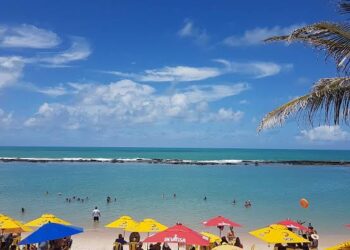
Praia de Ipioca offers generally calm, shallow waters that are suitable for relaxed swimming and floating. The shoreline is wide and sandy, with natural shade from coconut trees in several stretches. Visitors also commonly use beach tents where chairs and umbrellas are available for rent, especially around the more structured beach areas.
Natural Pools & Boat Tours
Boat trips using traditional jangadas or small local boats are often available, taking the visitors towards nearby coral reef formations. During low tide, natural pools appear in some areas, where snorkeling is possible and small marine life can be observed.
Beach Walks & Viewpoints
The coastline allows for long, uninterrupted walks, and in some sections there are elevated points such as the Alto de Ipioca viewpoint. From there, the view typically includes the palm-lined shore, reef areas, and the changing colours of the sea.
Photography
The beach is frequently photographed for its contrast between turquoise water, white sand, coconut groves, and fishing boats along the shore. Lighting conditions at sunrise and sunset often enhance colour variation across the sea surface and sand.
Nature & Relaxation
Beach clubs such as Hibiscus are commonly used for food, seating, and day-use facilities. Outside these areas, the atmosphere remains relatively quiet and village like, with options for light activities such as kayaking or simply spending time along the shoreline.
Travel Tips & Safety
Praia de Ipioca is generally straightforward to visit, but a few practical details can make the experience way smoother.
Essentials: It is advisable to carry reef safe sunscreen, a hat, drinking water and snorkelling gear if you plan to explore the reef areas (though the required equipment is also available for rent in some spots). Cash is actually useful as several vendors and boat operators do not always accept cards.
Food & drink: Most beach tents and clubs serve fresh seafood, regional Bahian-style dishes, and cold beverages throughout the day. In many cases, these places also offer day use setups that include seating and meals as part of a package.
Safety: The beach is generally considered safe and suitable for the families during daylight hours. Swimming is best done in calmer and monitored sections, as stronger currents may appear further offshore. Standard precautions are still recommended, especially with ones personal belongings and when moving away from busier areas.
Environment: Visitors are expected to follow basic environmental care practices, including carrying out waste and avoiding damage to the reef zones. Choosing actual responsible boat operators also helps reduce the bad impact on the local marine ecosystem.
Best practices: Arriving earlier in the day usually helps with the parking and crowd levels. It is also useful to check tide conditions in advance if planning some boat trips or reef related activities.
Best Time to Visit Praia de Ipioca
Praia de Ipioca generally experiences warm tropical weather throughout the year, with temperatures staying fairly consistent in the range of 25–30°C.Some periods are generally more suitable for visiting, depending on weather patterns and crowd levels.
The months between September and March are typically regarded as the most favourable. Rainfall is also lower during this time, and clearer skies are also more common, which often improves the overall beach conditions. Water visibility also tends to be better, making swimming more enjoyable. Within this period, December to February stands out as actually the busiest season, when visitor numbers increase and both accommodation and service prices may rise.
From April to August, rainfall becomes more frequent, though it usually comes in shorter intervals rather than prolonged rain. Despite this, the beach tends to feel quieter, and costs are often slightly lower, which some travellers may prefer.