
Introduction – Why Praia da Prainha Is Special
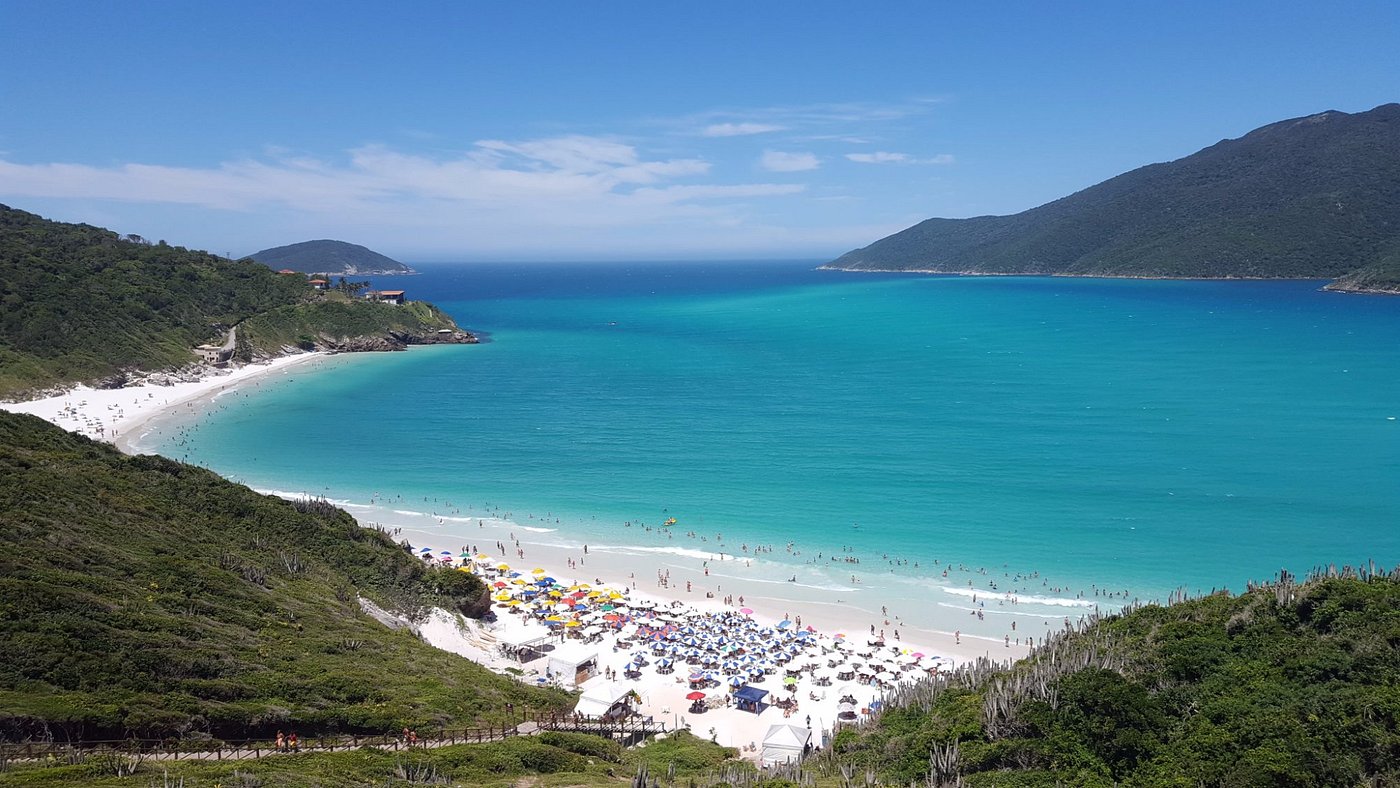
Praia da Prainha is often considered one of the finest natural beaches within the city limits of Rio de Janeiro. Hidden between forest covered hills and the rocky headlands in the western part of the city, the beach feels remarkably untouched despite being relatively much close to urban neighborhoods. Unlike the busy shorelines of Copacabana or Ipanema, Prainha has managed to preserve much of its original landscape, giving visitors a quieter and more scenic coastal environment.
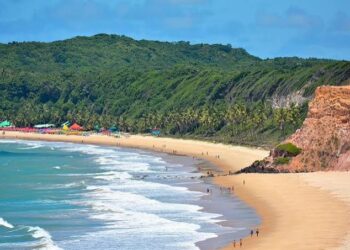
The beach is especially appreciated by surfers because of its reliable waves, although many people also visit simply to enjoy the striking scenery. Dense Atlantic Forest reaches almost to the shoreline, while large granite formations frame the soft sand at both ends of the bay. The overall setting feels far more secluded than most beaches in Rio. For travelers interested in nature, photography, or simply escaping the city’s busiest stretches of coastline, Praia da Prainha offers quite an experience that is both peaceful and also memorable.
Location & How to Reach Praia da Prainha
Praia da Prainha lies in the western zone of Rio de Janeiro, close to the neighborhoods of Recreio dos Bandeirantes and Grumari. It occupies a protected cove surrounded by steep green hills that form part of an environmental conservation area. Because development around the beach has remained limited, the landscape retains much of its natural appearance, something increasingly uncommon along major Brazilian cities.
Ways to reach Praia da Prainha
By car or ride-share:
Driving is by far the simplest option. Depending on traffic, the journey from Copacabana, Ipanema, or Downtown Rio generally takes between 45 minutes and a little over one hour. During weekends and holidays, travel times may increase considerably.
By public bus:
Several bus routes connect Barra da Tijuca and Recreio dos Bandeirantes with the very area. Visitors normally walk a short distance from the nearest stop to reach the beach entrance.
From Rio’s airports:
A taxi or airport transfer from Galeão International Airport or Santos Dumont Airport usually requires around one to one and a half hours, depending on road conditions.
Parking spaces are available close to the beach, although they tend to fill quite early on sunny weekends and during the summer season. Arriving in the morning generally makes the visit more convenient.
What Makes Praia da Prainha Unique
One of Prainha’s greatest attractions is the way its natural scenery has been preserved. The shoreline forms a graceful crescent bordered by impressive granite cliffs and the thick Atlantic Forest vegetation, creating a landscape that looks almost untouched by the urban expansion. From several viewpoints nearby, the contrast between the emerald-green hills and the deep blue Atlantic Ocean is particularly impressive.
The beach has earned an excellent reputation among the surfers thanks to its consistent swells, which can produce powerful waves throughout much of the year. At the same time, people who are not interested in surfing often come simply to admire the scenery or spend a peaceful day beside the ocean. The absence of large buildings, combined with relatively limited commercial activity, gives Prainha a quieter atmosphere than many of Rio’s famous beaches.
Another characteristic the visitors often notice is the environmental importance of the surrounding area. Since the beach lies within a protected reserve, efforts have been made over many years to preserve native vegetation, wildlife, and the overall character of the coastline. As a result, even a short visit feels noticeably different from the city’s more developed waterfronts.
Best Time to Visit Praia da Prainha
Although Praia da Prainha can be visited throughout the year, certain periods generally provide more favorable conditions.
September to March: Usually brings warmer temperatures, longer sunny days and quite pleasant conditions for spending time on the beach.
December to February: The busiest period, with vibrant beach life but also larger crowds and limited parking.
Morning hours: Often preferred by surfers because winds are lighter and wave conditions are cleaner. Early light is also excellent for photography.
Weekdays: Considerably quieter, allowing visitors to appreciate the peaceful surroundings without the larger weekend crowds.
Checking the surf forecast before visiting is worthwhile if surfing is one of your main reasons for coming.
Things to Do at Praia da Prainha
Surfing
Prainha has long been recognized as one of Rio de Janeiro’s premier surfing beaches. Depending on sea conditions, the waves can suit experienced surfers particularly well, while local surf schools sometimes offer lessons during calmer periods.
Relaxing by the Sea
Many visitors simply enjoy spending several hours on the wide sandy beach. Listening to the sound of the waves while surrounded by forest-covered hills creates a much calmer atmosphere than at Rio’s central beaches.
Photography
The scenery offers plenty of opportunities for photography. Massive rock formations, rolling waves, lush vegetation, and changing light throughout the day produce quite attractive compositions from almost every angle. Sunrise and the final hours before sunset are especially rewarding.
Walking Along the Shore
A leisurely walk from one end of the beach to the other reveals changing the views of the coastline and surrounding cliffs. Tide conditions may expose additional rocky areas that are interesting to explore, though caution is advisable.
Local Food
A handful of beach kiosks and the small restaurants operate near the shore, serving fresh seafood, traditional Brazilian dishes, snacks, tropical fruit juices and many cold beverages. Their relaxed setting fits naturally with the beach’s quieter atmosphere.
Travel Tips & Safety
It is advisable to carry sunscreen, drinking water, sunglasses, a hat, and cash, since not every vendor accepts cards. Comfortable footwear can also be useful when exploring the rocky edges of the beach.
Swimming should always be done carefully as the ocean currents and the wave strength can change unexpectedly. Lifeguards are often present and following their guidance is strongly recommended.
Because the beach lies within a protected environmental area, the visitors are much encouraged to dispose of waste responsibly and avoid disturbing the local wildlife or vegetation. Simple actions like carrying reusable bottles and taking the rubbish away help preserve the landscape for future visitors.