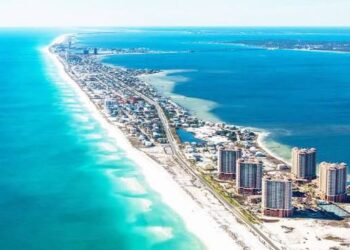

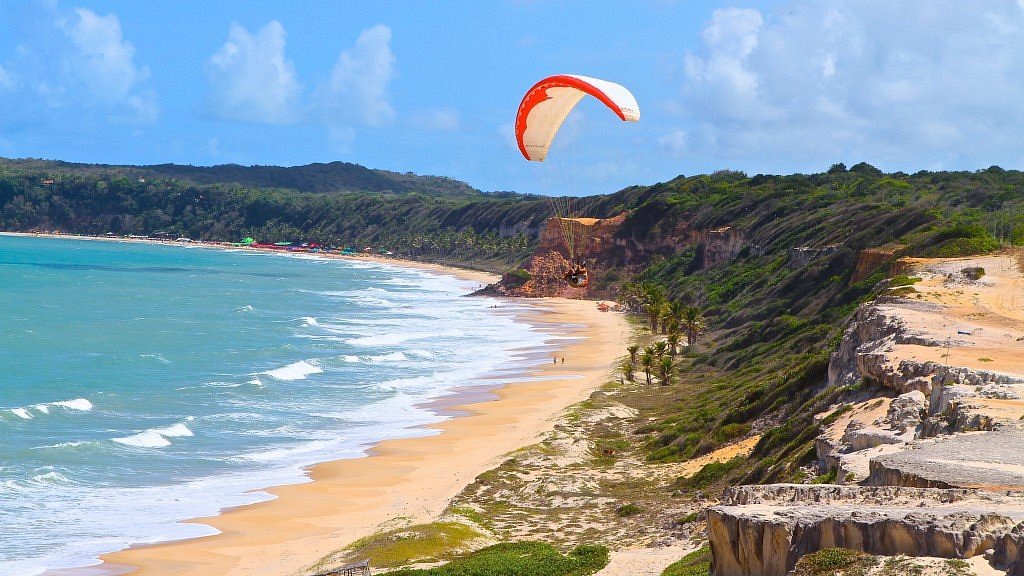
Pipa Beach, which is also known by the name Praia da Pipa, is regarded as one of the more notable coastal areas in Brazil, located in the region of Tibau do Sul within Rio Grande do Norte. The place had its origin as a fishing village, and over a period of years it has changed in its function, though certain earlier characteristics still remain. It is associated with coastal cliffs, occasional dolphin presence, and an environment where both quieter and more active use can be observed. Regulations on construction have restricted taller buildings, and because of this, the overall layout appears relatively low in height, with some streets having a cobbled surface and natural elements still visible in many parts.
Introduction: Why This Place Is Special
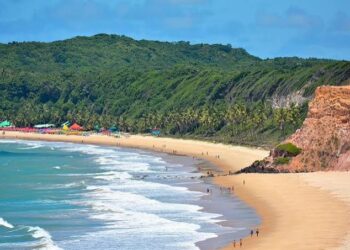
This coastal area is positioned along the northeastern side of Brazil, at an approximate distance of about 80 to 85 kilometres from Natal in the southern direction, although the exact distance may not be same in all references. The shoreline in this section shows cliffs with tones of red and gold, along with areas where Atlantic Forest vegetation is present, and certain dune formations can also be seen. These different elements together create a landscape that does not remain uniform across the entire stretch. The area has become known for the regular appearance of dolphins in certain bays, and it includes a mix of sections with stronger waves as well as more enclosed parts where the water remains calmer.
A distinguishing aspect is the possibility of observing marine life at closer range, including in places such as Baía dos Golfinhos, while other activities such as surfing and viewing from elevated cliff areas are also present. The village environment shows a combination of different influences, where both quieter and more active elements exist at same time. Visitors include individuals interested in surfing, as well as families, couples, and those who come for general recreation or social interaction.
What Makes This Beach Unique
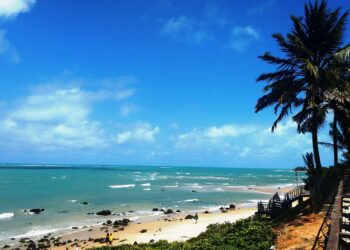
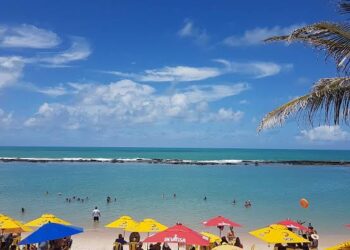
The beach at Pipa is characterized by sand that varies from golden to lighter shades, and in many sections it is soft in texture. Behind the shoreline, there are sandstone cliffs showing different colours, which form a noticeable backdrop. In bays where the water remains more still, clarity is often observed to be high, with a bluish or turquoise appearance, and such conditions can support the presence of marine life. The sea conditions are not uniform, as some parts remain relatively calm and are used for swimming, while other sections receive stronger wave activity and are preferred for surfing.
The surrounding natural features include the cliffs, patches of Atlantic Forest vegetation, dune formations, and small tidal pools. Certain locations, such as Baía dos Golfinhos, are known for the occurrence of dolphins, sometimes at closer range than usual, though sightings are not guaranteed at all times. Other areas, including Praia do Amor and Madeiro, may appear more separated in comparison to central sections. The area has a form of environmental protection, which has limited extensive development, and this has contributed to maintaining a condition that appears less altered than in more heavily built coastal zones.
Things to Do
Swimming is generally more suitable within the protected bays, where the water tends to remain calmer, although attention to waves and tide movement is still required. Conditions in open sections may not be same, so caution is usually advised. Various water-based activities are present, including surfing at certain breaks, as well as stand-up paddleboarding, kayaking, and in some cases kitesurfing, depending on weather and sea conditions.
Photography is commonly carried out, with subjects including cliff formations, dolphin presence, and sunset views. Movement along the shoreline, either by walking or through coastal paths, allows access between different coves, and during lower tide, some areas such as Baía dos Golfinhos may become easier to reach. Activities like yoga or simple meditation are sometimes practiced on the sand or at elevated points near the cliffs, where the surroundings remain relatively quiet.
Cafés and small bars can be found along the busier parts of the beach, where basic refreshments and seating are usually available, allowing visitors to remain for some time in the same area. Guided buggy movement is also arranged in nearby regions and may cover surrounding beaches and lagoon zones. Boat trips are conducted as well, and in some cases they provide chances to observe marine life, although such sightings do not occur on every occasion.
Travel Tips & Safety
In sections where visitor presence is higher, lifeguards may be stationed for monitoring purposes, but this arrangement is not continuous along the entire shoreline and remains limited to certain points only. Sea conditions may include stronger waves, changing currents, and tidal variation, therefore it is necessary that visitors observe local conditions before entering the water. Movement toward more isolated sections, especially during night hours, is generally not considered advisable.
The area is often regarded as relatively stable in terms of safety when compared with larger urban centres, although this does not remove the need for basic precautions. Personal belongings should be kept under attention at all times.
Cleanliness is maintained to a certain extent due to environmental considerations, but visitor behaviour also has a role in this. Items usually carried include sun protection, products that are less harmful to marine environments, footwear suitable for walking on uneven paths or steps, and some amount of cash for smaller establishments.
Insect repellent may be required during evening periods. It is also expected that marine life is not disturbed, and that local guidelines, particularly those related to dolphin observation, are followed, though compliance may vary.