
Introduction – Why Praia de Cumbuco Is Special
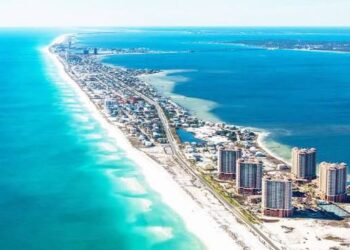
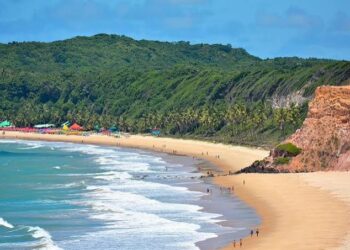
Praia de Cumbuco is located near Fortaleza in the northeastern state of Ceará and is widely recognised for its extensive sand dunes, coastal winds and broad beach landscape. Earlier, the area functioned mainly as a small fishing village, though over time it developed into a more active tourism destination while still retaining parts of its local coastal character.
The destination is especially associated with outdoor and adventure-oriented activities, including buggy rides across dune areas, kitesurfing, and visits to seasonal lagoons formed during wetter periods of the year. At the same time, long sandy stretches and open coastal scenery also attract visitors seeking a slower beach environment. Because of its relatively short distance from Fortaleza, the area is frequently visited both for day trips and longer stays.
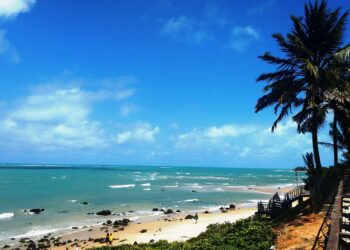
One of the more noticeable features of the region is the contrast between white dune fields, freshwater lagoons, and the Atlantic coastline, creating a landscape that appears different from many other urban beach destinations along the Brazilian coast.
Location & How to Reach Praia de Cumbuco
Where Praia de Cumbuco is located
Praia de Cumbuco is situated within the municipality of Caucaia, at a distance of around 30 to 35 kilometres northwest of Fortaleza. The coastline in this area is broad and open, bordered by large sand dunes and sections of coconut vegetation. The village itself contains a mixture of older fishing houses together with hotels, restaurants, and tourism-related facilities that developed gradually over time.
How to reach Praia de Cumbuco
By car or ride services: Reaching Praia de Cumbuco by car, taxi, Uber or 99 is usually viewed as one of the simpler transport options from Fortaleza. Travel time commonly ranges between 45 minutes and around one hour, although the road conditions and traffic levels may influence the journey at certain times. Rental cars are also preferred by some visitors who intend to move between lagoon areas and smaller coastal locations without depending entirely on organised transport.
Organised tours: Excursions departing from Fortaleza are widely offered and are commonly selected by travellers visiting the area for the first time. In many cases, these tours include transportation, buggy rides across dune sections and some free time near the beach, though exact schedules and activities are not always same between companies.
By bus: Public bus routes also operate between Fortaleza and Cumbuco, providing a lower cost alternative for visitors and local residents travelling through the region. Routes operate from central districts and coastal neighbourhoods including Meireles and Iracema, and fares are generally lower compared with private transport options.
Once there: The central village area is relatively compact and can mostly be explored on foot. For dune routes and lagoon visits, buggy transport and smaller local services are commonly available, though prices and availability may change depending on season or visitor demand.
Things to Do at Praia de Cumbuco
Swimming & Beach Relaxation
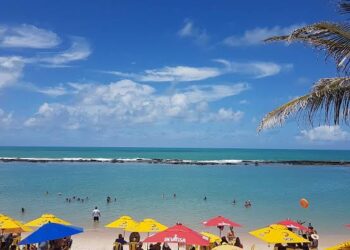
The broad sandy shoreline at Praia de Cumbuco is commonly used for sunbathing, walking and also spending extended periods near the sea. Barracas positioned along the beach generally provide shaded seating, drinks, and simple meals for visitors. Sea conditions during morning hours are often calmer, which may make swimming more comfortable in some sections.
Kitesurfing and Water Sports
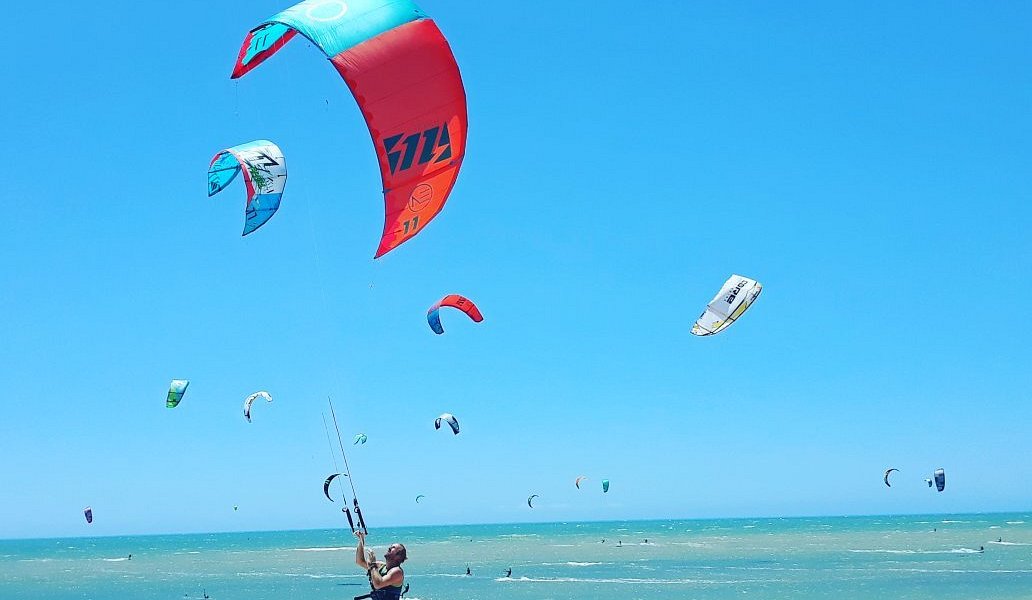
The area is widely recognised for kitesurfing because of its regular coastal winds and open beach conditions. Both beginners and experienced participants are commonly seen in the region, and rental services together with training lessons are available through local operators. Windsurfing and stand-up paddleboarding are also practised, although conditions can vary depending on season and wind intensity.
Buggy Rides & Dune Activities
Buggy excursions through the dune landscape are among the most associated activities in the area. These routes often pass through large sand formations and may include stops near freshwater lagoons where visitors spend time swimming or taking photographs. Sandboarding is also available in certain dune sections, though availability may differ according to weather and local arrangements.
Photography
The region is frequently photographed because of the contrast between white dunes, lagoon waters, fishing boats, and the Atlantic coastline. Sunset periods often create stronger colours across the sand and water surfaces, while elevated dune areas provide broader landscape views over the coast.
Nature & Relaxation
Nearby lagoon areas such as Cauípe and Tabuba are also visited for quieter surroundings and short excursions away from the main beach zone. Many visitors spend time in local seafood restaurants or simply remain near the coast enjoying the ocean wind and slower atmosphere connected with the former fishing village environment.
Travel Tips & Safety
Essentials: Visitors usually carry sunscreen, sunglasses, hats, and some cash for buggy rides, beach barracas, or smaller vendors operating near the coast. Sandals or stronger footwear may also be quite useful when walking through dune sections, since the surface can become uneven and hot during daytime hours.
Food & drink: Praia de Cumbuco has a number of beach restaurants and barracas serving seafood, regional dishes, and cold drinks. Some places including well known beachfront spots, are especially frequented by tourists during weekends and holiday periods.
Safety: Conditions are generally considered safe during daytime when the beach remains active with visitors and local activity. Even so, some normal precautions are still important, particularly regarding personal belongings and sports equipment left unattended near the shore. Isolated dune areas are usually better avoided after dark, and swimming should be done carefully because waves and currents may become stronger at certain times. Buggy excursions are safer when arranged through recognised local operators.
Environment: The dune system and lagoon areas are quite environmentally sensitive in parts, therefore visitors are expected to avoid leaving waste behind and follow local guidelines where present. Tide and wind conditions can also affect outdoor activities, so checking local information beforehand is often useful.