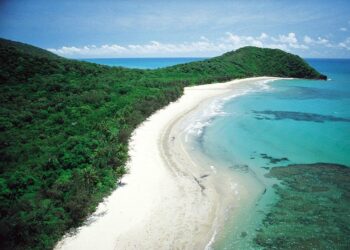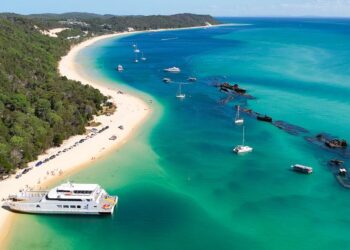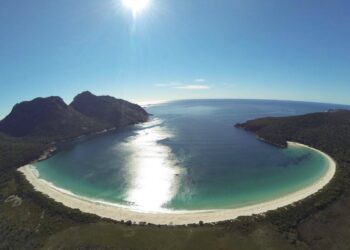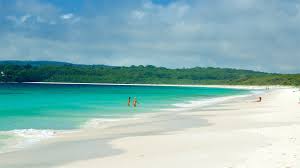

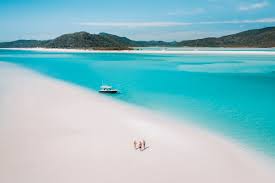
Whitehaven Beach is along the east side of Whitsunday Island in Queensland, part of the Whitsunday Islands, inside the Great Barrier Reef Marine Park and the National Park area. The sand is very white and made of almost pure silica, and the water is clear turquoise, making swirling patterns near Hill Inlet. The beach is undeveloped without resorts, cafés, or buildings, so it keeps a natural, wild feel, and is often considered one of the best beaches in the world.
It is popular with families who want safe swimming and picnics, couples looking for quiet sunset views, and people who enjoy nature and marine exploration. Some visitors do sailing, snorkelling, or short hikes to lookouts. Photographers and those who like quiet find it a good place, because it is not crowded and the scenery is very iconic.
What Makes This Beach Unique
Whitehaven Beach has very fine white sand, made of nearly pure silica, about 98–99%, which gives it a bright, powdery feel that stays cool even on hot days. The water is clarity is quite high, showing its turquoise color and the shallow areas, with the famous swirls at Hill Inlet where the sand and water mix into striking patterns. Waves are usually quite gentle, making the beach good for swimming, wading, and snorkelling rather than big surf.
The natural scenery includes wide beaches bordered by the granite headlands and national park bushland. There are no cliffs or rocky areas, just untouched sand with some shells, backed by protected dunes and marine habitats. Being undeveloped inside the Great Barrier Reef Marine Park, the beach keeps a wild, tropical feeling almost like a private island.
Things to Do
Activities at Whitehaven Beach offer something for many interests. Swimming in the warm, shallow waters is a main attraction, with entry points that are generally safe for children and adults alike. Water-based activities are mostly calm and gentle, including snorkelling around the nearby reefs, paddleboarding, and kayaking within the sheltered bay. Photography is particularly rewarding here; the swirling sands at Hill Inlet provide striking patterns that can be captured from lookout points, and a short walk up to the Hill Inlet Lookout gives panoramic views over the beach and inlet, as well as a bit of light exercise.
Practising meditation or yoga is simple on the soft sand or among the low dunes, where the gentle sound of waves creates a natural quiet. There are also no cafés or permanent food spots on the beach itself, though many tours provide meals, picnic setups, or drinks during day trips. Visitors wanting more activity can go on sailing tours around the islands, take a seaplane to see the area from above, or walk along bush trails that cross parts of Whitsunday Island. Collecting shells, watching birds or sitting with a picnic while seeing the tides change at Hill Inlet are calm ways to enjoy the place.
As the beach is undeveloped and inside a protected area, most activities naturally focus on the environment, encouraging careful walking on the sand and avoiding damage to the landscape. Even a short stroll in the morning or late afternoon can feel quite private and peaceful, making Whitehaven Beach an awesome place, not only for leisure, but also favourable for quiet reflection and feeling connected to nature.
Travel Tips & Safety
No lifeguards are present at the beach, so swimming should be done very carefully and within your own abilities, conditions are usually calm but can change with tides. During the wet season, from December to May, marine stingers may be present, so protective clothing or stinger suits are recommended if entering the water. Cleanliness is generally well maintained thanks to national park rules and leave-no-trace practices.
Visitors are advised to carry reef-safe sunscreen, hats, reusable water bottles, some snacks, insect repellent, and a bag to take their rubbish with them. It is generally recommended to arrange tours in advance, particularly during busy times, and to check the weather and sea conditions beforehand, as rough seas may occasionally result in cancellations. Visitors should also take extra care to respect the natural environment by following the marked paths and not removing shells or disturbing any wildlife strictly.
Best Time to Visit
The most favorable period to visit is during the dry season, usually from April to October, sometimes extending into November. In this period, the temperatures mostly range from mid-20s up to low 30s °C, humidity stays low, seas are generally calm, and rain is quite limited, making it good for beach activities and snorkelling. The weather is usually sunny and steady, which also makes walking along the coast and other water activities more pleasant.
The number of visitors is the highest during Australian school holidays and the main dry season, with weekends being especially busy for tours. Months like May or September generally see fewer people and may provide better value for visiting. The wet season, from December to March, brings warmer water but also higher humidity, tropical showers, and sometimes rough seas that may result in tour cancellations.
Sunrise casts gentle light over the white sands and calm waters, which is good for early photography. Sunsets are particularly impressive, with bright colours reflecting off the turquoise sea and the swirling patterns at Hill Inlet.