
Introduction – Why Fernando de Noronha Is Special
Fernando de Noronha is an island archipelago in the Atlantic Ocean, located roughly 350 kilometers off the coast of Pernambuco, Brazil. It is actually one of the country’s most protected natural areas with strict environmental rules that limit development and help preserve its virgin conditions. The islands are also recognized as a UNESCO World Heritage Site.
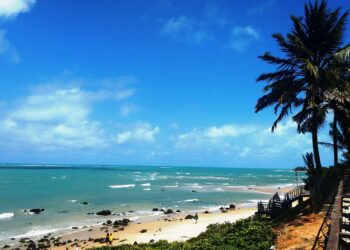
The landscape has volcanic origins, which is reflected in the rugged cliffs, rocky coastline and irregular shape of the islands. The sea around Noronha is known for its clarity with water that shifts between deep blue and green tones depending on light and overall depth. Marine life is one of the main attractions here and visitors often encounter dolphins, sea turtles and other species during boat trips or snorkeling activities when the conditions are quite favourable.
Tourism is controlled and monitored, which means visitor numbers are kept relatively low compared to many other beach destinations in Brazil. This affects the overall experience for the people, making it feel way quieter and more regulated with less of the usual crowded resort atmosphere.
In general, Fernando de Noronha is associated with natural scenery, marine biodiversity and carefully managed tourism, attracting people who are more interested in the nature and outdoor experiences than in popular commercial beach resorts.
Location & How to Reach Fernando de Noronha
Where Fernando de Noronha is located
Fernando de Noronha is an archipelago made up of 21 islands and islets, although only the main island is inhabited. It is located about 350 km northeast of Recife, in the state of Pernambuco, Brazil. A large part of the territory is protected, with an Environmental Protection Area and a Marine National Park covering most of the island and surrounding waters.
How to reach Fernando de Noronha
Access to the island is only possible by air. Flights operate daily from Recife, taking around 1 hour and 15 minutes, and there are also occasional connections from Natal. There are no regular ferry services for tourists from the mainland.
On arrival, visitors are required to pay environmental fees, including the daily Environmental Preservation Fee (TPA) and, for access to many protected areas, a Marine National Park entrance card managed by ICMBio. These are typically arranged online in advance or paid upon arrival.
Getting around
Transport on the island is relatively simple due to its small size. Many visitors rent buggies or scooters, while taxis and a limited bus service are also available.
Best Time to Visit Fernando de Noronha
Fernando de Noronha has a warm tropical climate throughout the year, with temperatures generally in between 26°C and 30°C. While the island can be visited in any season, certain periods tend to offer better conditions depending on the type of activities planned.
The months from around August to January or early February are usually considered the most favourable for general visits. Rainfall is lower during this period, the sea is often calmer, and underwater visibility tends to be clearer, which is especially important for snorkeling and diving. In particular, August and September are often mentioned for very clear water conditions on some days.
From December to March, the ocean conditions can change, with stronger waves appearing more frequently. This period is often preferred by the surfers, although it also tends to attract more visitors and higher prices around the holiday season.
Things to Do at Fernando de Noronha
Beach Relaxation & Swimming
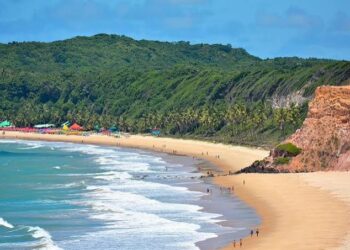
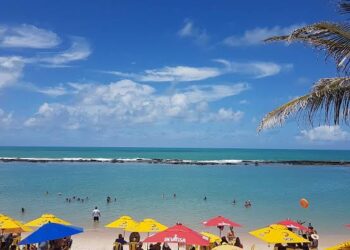
Fernando de Noronha is known for its beaches, many of which are considered among the most scenic in Brazil. Baía do Sancho is often highlighted and is reached either by a staircase or by boat, depending on conditions. Praia do Leão and Baía dos Porcos are also frequently visited. The waters in these areas are usually clear, and in calmer conditions they are suitable for swimming and relaxed floating.
Snorkeling & Diving
The island offers strong opportunities for snorkeling and diving due to its marine biodiversity. It is common to see marine life such as turtles, rays, and occasionally dolphins in suitable areas. The natural pools at Atalaia, along with organised boat excursions, are often included in visitor itineraries. Water clarity tends to be better during the drier months.
Boat Tours & Dolphin Watching
Boat trips, especially those scheduled around sunrise or late afternoon, are in fact quite popular for viewing the dolphins. Dolphin Bay is one of the main locations where spinner dolphins are frequently observed, depending on the sea conditions and also timing.
Hiking & Viewpoints
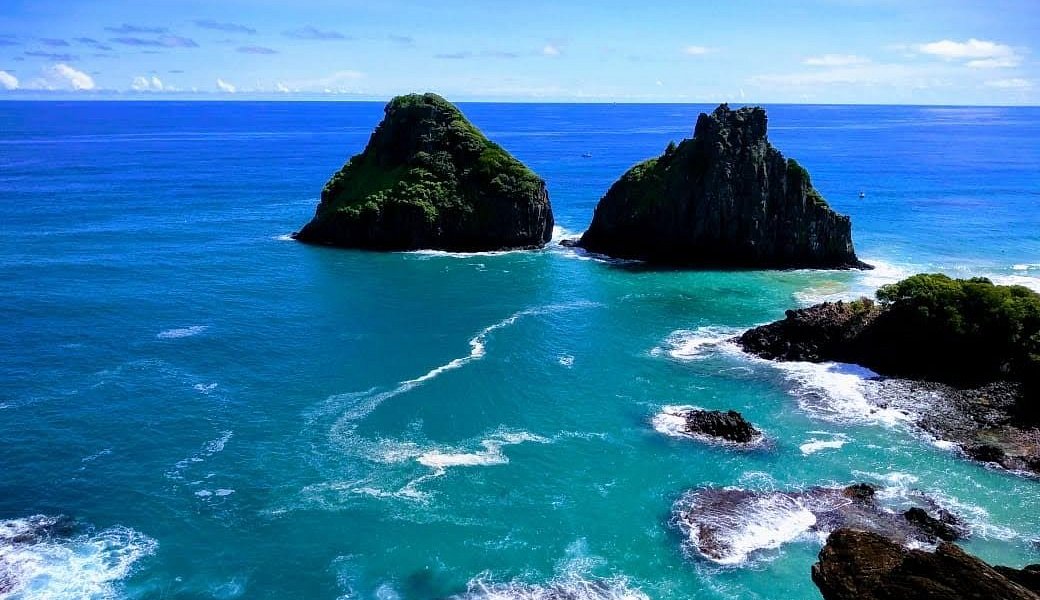
Several walking trails and viewpoints are available across the island, including areas near forts and elevated points such as Morro Dois Irmãos. Some routes require prior booking or permits, depending on environmental regulations and access may be controlled in certain sections.
Nature & Relaxation
Beyond activities, many visitors spend time observing the overall natural environment at a slower pace. Turtle conservation programs, sunset viewpoints and simple beachside meals are common parts of the experience. The overall approach on the island tends to focus on low impact tourism and environmental awareness.
Travel Tips & Safety
Essentials
Planning ahead is quite important when visiting Fernando de Noronha. Flights, accommodation, and entry related tickets are often booked in advance due to limited capacity on the island. It is useful to carry reef-safe sunscreen, basic snorkelling equipment (though rentals are also available), and either cash or card for payments and fees. For walking trails and uneven terrain, sturdy footwear is recommended. Visitors are generally expected to carry back all waste and avoid leaving anything behind.
Fees
The island operates with environmental fees, including a daily preservation tax and a national park access fee. Costs are typically higher for international visitors. Some beaches, trails and other activities also require prior booking or permits, depending on regulations in place at the time of visit.
Safety
Certain beaches may have strong currents, so swimming is best done only in the safe or designated areas. Overall, the island is considered quite safe for travellers, with low levels of crime. However, the environmental rules are strictly enforced, and violations can result in fines.