
Introduction – Why Praia do Saco Stands Out
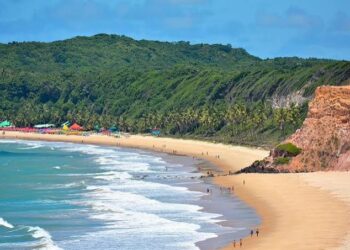
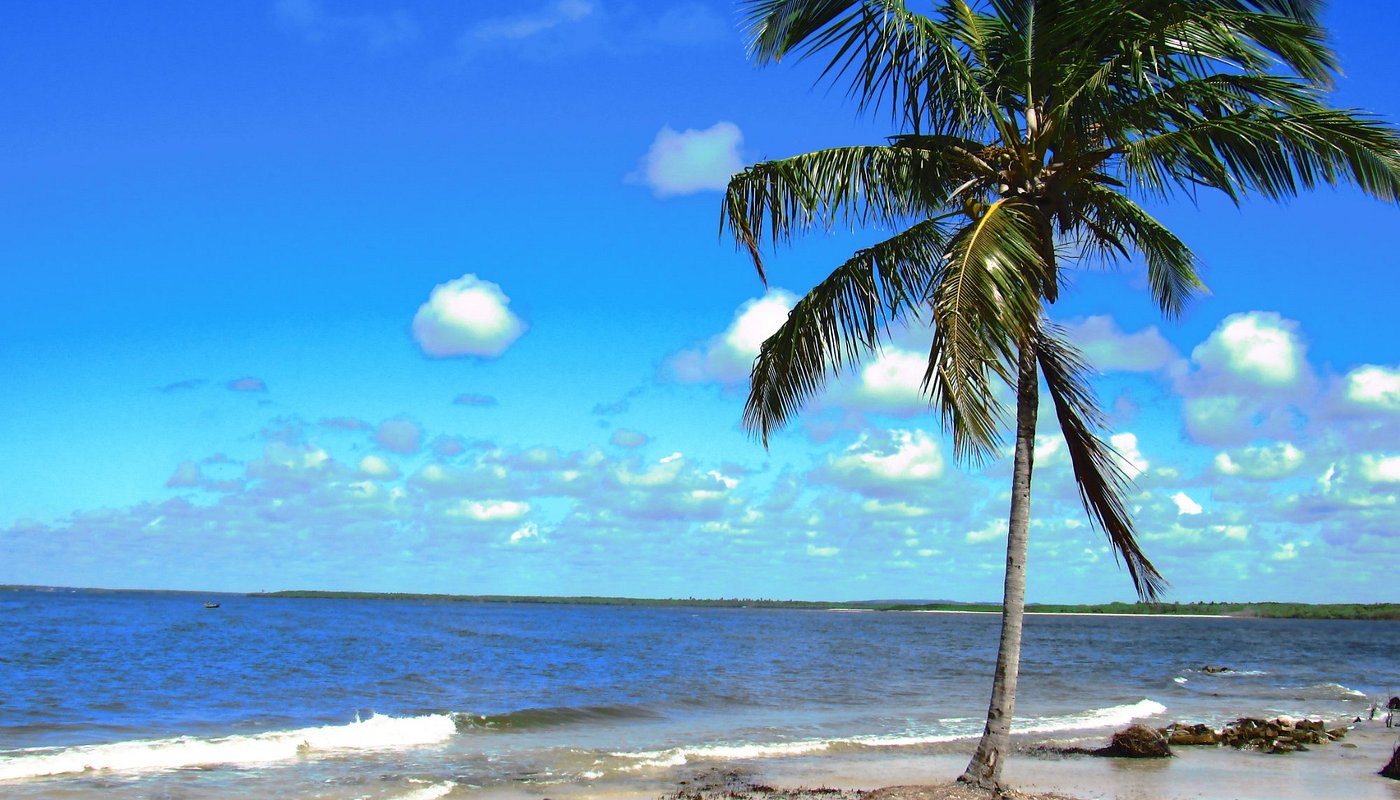
Praia do Saco is among the most secluded beaches on Ilhabela, an island off the northern coast of São Paulo. Hidden on the ocean-facing eastern shoreline, the beach is surrounded by dense Atlantic Forest, steep green hills and an almost untouched landscape. Unlike the busier western beaches that are easily reached by car, Praia do Saco rewards visitors with a quieter environment where nature remains the dominant feature.
People looking for crowded beach clubs or an active nightlife may find Praia do Saco too quiet. On the other hand, visitors interested in nature, photography, hiking, or simply spending time in a less disturbed coastal setting often consider it one of Ilhabela’s finest hidden places. The journey may take much longer than expected, but many believe the scenery makes the trip worthwhile.
Location & How to Reach Praia do Saco
Praia do Saco lies on the eastern coast of Ilhabela, facing the open Atlantic Ocean. This side of the island is much less urbanized than the western coastline and remains covered by large sections of protected Atlantic rainforest. Mountains, streams and the dense vegetation surround the beach, giving it a noticeably wild appearance.
How to reach Praia do Saco
By 4×4 vehicle or buggy:
This is the most practical and commonly chosen option. After leaving the paved roads, visitors continue along an unsealed route that can take between 40 minutes and over an hour depending on weather and road conditions. Heavy rain sometimes makes the route slower than expected.
By boat:
Several local operators organize boat excursions that include Praia do Saco among their stops. Arriving by sea also provides excellent views of Ilhabela’s rugged coastline and the rocky cliffs.
Through organized tours:
Many visitors prefer guided excursions because transportation, local knowledge and the additional stops at waterfalls or the viewpoints are often included. This option can simplify the visit, especially for first-time travelers.
The access road is rough in several sections and may become muddy after rainfall. Standard passenger cars are usually not suitable for the journey.
What Makes Praia do Saco Unique
Praia do Saco offers a landscape that feels remarkably untouched compared with many beaches elsewhere on Ilhabela. A broad stretch of soft golden sand meets clear Atlantic waters, while thick rainforest extends almost to the shoreline.
Its greatest appeal is probably the feeling of remoteness. Even during holiday periods, Praia do Saco rarely feels as crowded as Ilhabela’s more accessible beaches.
Best Time to Visit Praia do Saco
Weather conditions vary throughout the year, although some periods offer a more comfortable visit.
December to March: Summer brings warmer temperatures and the ideal conditions for spending long hours on the beach, though the occasional tropical rain showers can still occur.
May to August: Visitor numbers become noticeably lower, making this period attractive for the travelers seeking more solitude. Sea temperatures are slightly cooler but generally remain much pleasant.
Morning: Early hours usually provide calmer seas, softer light for photography and more comfortable temperatures before the midday heat develops.
Weekdays: Considerably quieter than weekends or the public holidays, offering an even greater sense of isolation.
Checking the local weather forecast before traveling is advisable, since the road conditions may deteriorate after prolonged rainfall.
Things to Do at Praia do Saco
Swimming and Relaxing
When ocean conditions are favorable, Praia do Saco offers refreshing swimming in clear water. Many visitors simply spread out a towel, enjoy the peaceful surroundings, and spend hours listening to the waves. The beach is spacious enough that finding a quiet area is rarely difficult.
Snorkeling
Rocky sections near the edges of the beach often provide decent visibility for snorkeling. Small tropical fish and other marine life can sometimes be observed in the shallower water, particularly on calm days when the sea remains clear.
Hiking and Visiting Waterfalls
The surrounding Atlantic Forest contains several walking trails leading toward streams and waterfalls. Exploring these natural attractions adds much variety to the visit and offers a welcome escape from the midday heat. Some paths may become slippery after the rain, so the caution is necessary.
Photography and Nature Observation
Praia do Saco presents numerous opportunities for the landscape photography. Forest-covered hills, wide sandy beaches, rocky outcrops and the changing ocean colors create attractive compositions throughout the day. Wildlife enthusiasts may also notice the various birds and native plants in the surrounding forest.
Local Dining
Only a handful of simple beach kiosks operate in the area. Fresh seafood, grilled fish, snacks and the cold beverages are commonly available, although opening hours may vary according to season and visitor numbers. The atmosphere is informal and reflects the quieter nature of this side of the island.
Travel Tips & Safety
A little preparation makes the visit much easier.
Carry sunscreen, a hat, insect repellent, drinking water and comfortable footwear suitable for uneven ground.
Bringing some cash is advisable, since the smaller vendors may not always accept cards or the electronic payments.
Food options are limited compared with central Ilhabela, so packing snacks can be useful if planning a full day visit.
Swim only when sea conditions appear safe and pay attention to the changing waves or currents.
If driving independently, use an appropriate four-wheel-drive vehicle and avoid attempting the route after heavy rain unless familiar with local conditions.
Keep the beach clean by taking all rubbish away. The preserved environment is one of Praia do Saco’s greatest attractions and deserves careful respect.
Final Thoughts
Whether the plan involves swimming in the clear Atlantic, exploring nearby forest trails, enjoying a simple seafood meal or just appreciating the untouched landscape, Praia do Saco provides quite a memorable experience that reflects the wilder character of São Paulo’s northern coastline. Many people leave with the impression that it remains one of Ilhabela’s most genuine and least commercial coastal destinations.