
Introduction – Why Praia da Concha Stands Out
Praia da Concha is a quiet coastal retreat in the municipality of Angra dos Reis on the very southern coast of Rio de Janeiro state. Unlike the many beaches that become crowded during the holiday season, this small cove generally maintains a more peaceful atmosphere, attracting the visitors who appreciate the calm surroundings and the scenic landscapes rather than busy beachfront activity.
One of the beach’s most distinctive characteristics is the abundance of small seashells scattered across its pale sand, a feature that inspired its very name. Together with its clear greenish blue water, rocky shoreline and the dense Atlantic Forest vegetation, the setting creates an attractive natural landscape that feels remarkably well preserved. Because the bay is naturally sheltered from the stronger ocean currents, the sea is usually gentle enough for swimming, floating, or simply spending time close to the water’s edge. For couples, families, photographers, and anyone looking for a quieter stop along the Costa Verde, Praia da Concha offers a pleasant alternative to some of the region’s better-known beaches.
Location & How to Reach Praia da Concha
Praia da Concha lies in the district of Jacuecanga, roughly 15 kilometres from the central area of Angra dos Reis. Facing the waters of Baía da Ilha Grande, the beach enjoys attractive views of nearby islands and forest-covered hills that surround much of this coastline.
There are several practical ways to reach the beach:
By car: Driving from downtown Angra dos Reis generally takes between 20 and 30 minutes using the BR-101 (Rio–Santos Highway). Parking facilities are available nearby, although spaces may become limited during weekends and holiday periods.
By public transport: Local buses connect Angra dos Reis with Jacuecanga. After getting off, visitors usually complete the journey with a short taxi or ride-share trip.
By organized excursion: Some schooner cruises and boat tours operating from Angra dos Reis or from Abraão on Ilha Grande include nearby stops, making Praia da Concha an easy addition to a day spent exploring the surrounding coastline.
Many travellers also combine this beach with visits to neighbouring coves, since travelling between them requires only a short drive or boat ride.
What Makes Praia da Concha Different
The most noticeable feature of Praia da Concha is the fine layer of shells that mixes naturally with the sand. Although many Brazilian beaches have shells, the concentration here is unusually high and gives the shoreline a distinctive appearance. Walking barefoot across the beach feels slightly different because of this natural texture.
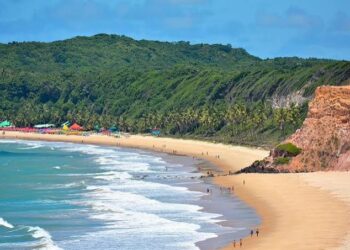
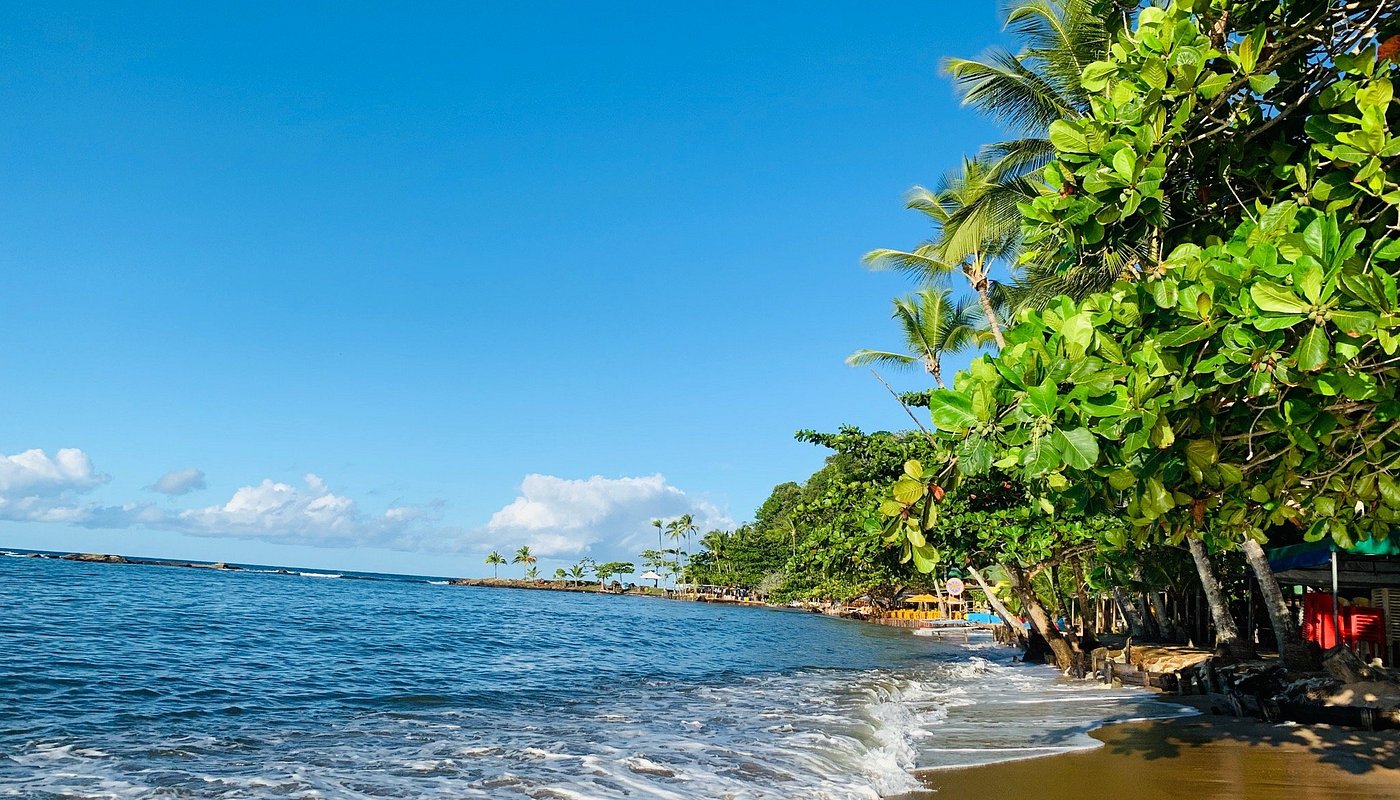
The bay itself remains relatively protected from stronger Atlantic swells. On many days the surface of the water becomes almost mirror-like, especially during the morning when the wind is lighter. Large granite boulders frame sections of the beach, while coconut palms and native Atlantic Forest vegetation provide an attractive backdrop. The overall scenery is quite photogenic without appearing heavily developed.
Infrastructure exists but has not overtaken the natural setting. Visitors will find a handful of food kiosks and the small services, yet the beach still keeps a relaxed atmosphere that many people appreciate.
Best Time to Visit
Although Praia da Concha can be visited throughout the year, weather conditions vary by season.
May to September: Usually the driest months, often bringing much clearer skies and better underwater visibility for swimming or snorkeling.
December to March: Warmer temperatures and the longer sunny days attract larger numbers of visitors. Brief tropical showers may occur but generally pass quickly.
Low tide: A good opportunity to observe more of the shell-covered shoreline and enjoy easier access around the rocky sections.
Morning hours: Often considered as the most pleasant time of day, with much calmer water, softer light for photography and fewer people on the beach.
Things to Do at Praia da Concha
Swimming and Relaxing
The protected bay creates favourable conditions for leisurely swimming. Since the waves are generally small, many visitors simply float in the warm water or spend time relaxing near the shoreline. Families with children often choose this beach because the sea is usually gentler than on more exposed sections of the coast.
Snorkeling and Exploring Marine Life
The rocky edges of the cove provide suitable places for snorkeling when visibility is good. Small fish and other marine species are frequently seen around the submerged rocks. Visitors often admire the shells scattered across the beach, although leaving them where they are helps preserve the very natural character of the area for future visitors.
Photography
Praia da Concha offers numerous photography opportunities throughout the day. The combination of shell-covered sand, emerald water, granite formations, tropical vegetation, and distant islands creates a landscape that changes with the light. Early morning and late afternoon generally produce softer colours and more balanced lighting.
Kayaking and Stand-Up Paddleboarding
Because the water inside the bay is normally calm, kayaking and stand-up paddleboarding are popular activities. Paddling along the shoreline allows visitors to appreciate small coves, rock formations and the forested slopes from a different perspective.
Local Dining
Several beach kiosks and nearby restaurants prepare regional dishes using fresh seafood. Fish, shrimp, traditional moquecas and the refreshing tropical beverages are among the most common choices. Meals are usually served in the shaded outdoor seating areas overlooking the water, making the lunch part of the overall experience rather than simply a stop between activities.
Travel Tips and Safety
Pack sunscreen, a wide-brimmed hat, drinking water, and footwear suitable for walking over rocks. Water shoes may be helpful in certain parts of the shoreline where shells and stones are more concentrated. Carrying cash is also recommended, since the smaller vendors may not always accept every payment method.
The beach is generally regarded as suitable for the families and the calm conditions make swimming enjoyable for most visitors. Even so, weather and sea conditions can change unexpectedly, so paying attention to local advice and exercising normal caution remains important. Weekends, school holidays, and public holidays are noticeably busier than ordinary weekdays.