
Marapé Dunes – Complete Travel Guide to Maranhão’s Coastal Sandscape
Introduction – Why Marapé Dunes Stand Out
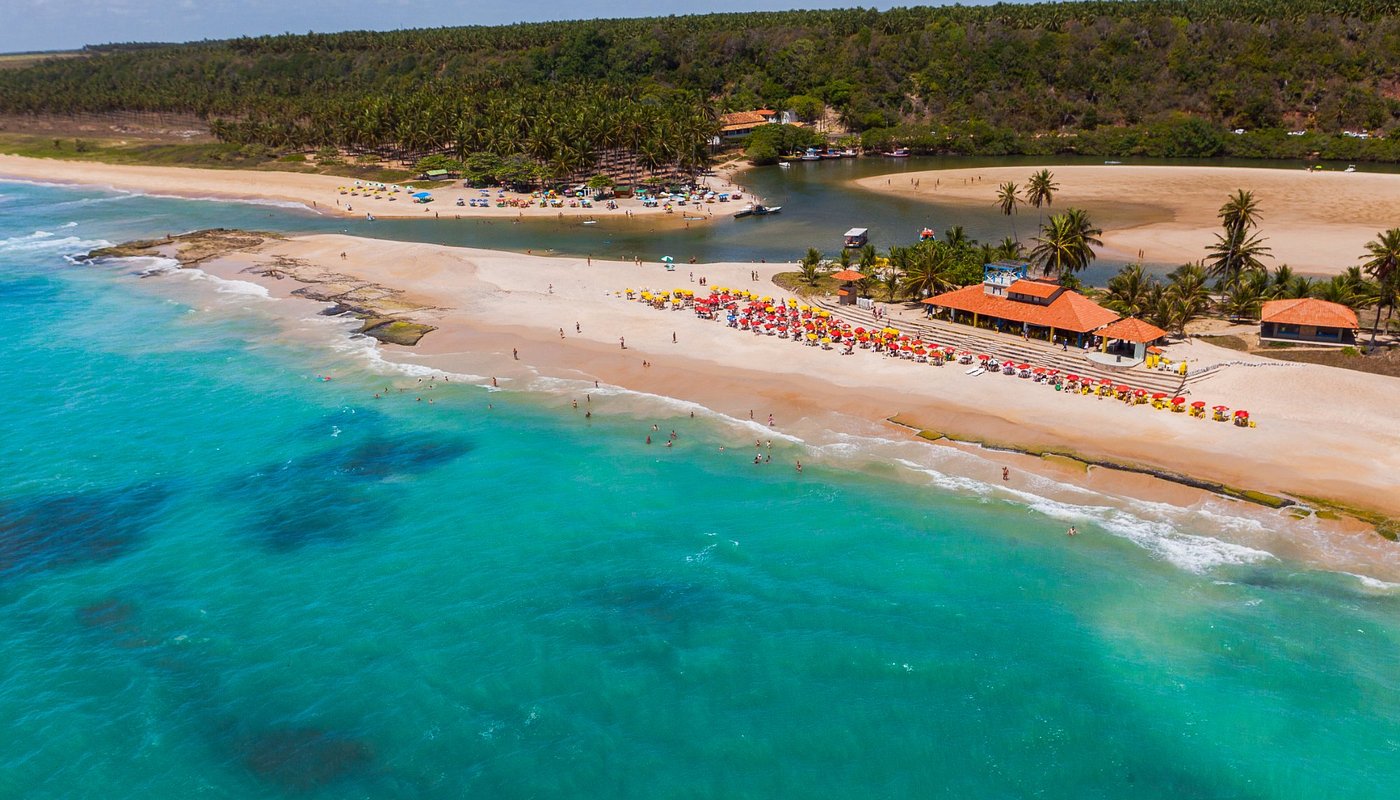
The Marapé Dunes, known locally as Dunas de Marapé, rank among the most striking natural landscapes found along the coast of Maranhão. Situated not far from São Luís, this remarkable dune field presents visitors with quite an unusual scenery where extensive stretches of pale sand meet the Atlantic Ocean, mangrove forests and the seasonal freshwater lagoons. The result is a landscape that appears almost surreal in certain light conditions.
Unlike some of Brazil’s better known beach destinations, Marapé remains comparatively less visited, which has helped preserve much of its natural character. The area attracts travelers who are interested not only in beaches, but also in photography, ecotourism, and outdoor exploration. Large dunes shaped continuously by wind dominate the horizon, while the nearby mangrove channels support a rich coastal ecosystem.
One of the most appealing aspects of Marapé is the diversity of environments concentrated within a relatively small area. During a single excursion, the visitors may cross mangrove zones, walk across vast sand formations, swim in seasonal lagoons and also observe the ocean from elevated viewpoints. This combination gives the destination quite a distinctive identity and makes it one of the more memorable places to visit in northeastern Brazil.
Location and How to Reach Marapé Dunes
The Marapé Dunes are located within the municipality of Raposa, approximately 30 kilometers from São Luís, the capital city of Maranhão. They form part of the coastal landscape bordering the Gulf of São Luís, where the dune systems extend toward both the sea and adjacent mangrove areas.
Although the distance from the capital is relatively short, reaching the dunes often requires some planning, especially during thp eriods of heavy rain.
By Car or 4×4
Traveling by private vehicle is among the most common options. The journey from São Luís generally takes between 50 minutes and just over an hour, depending on the traffic conditions and the exact access route. For the final stretches, particularly those involving loose sand, a four wheel-drive vehicle is strongly recommended. Standard vehicles may encounter difficulties, especially during the rainy season.
Organized Tours
For first time visitors, joining an organized excursion is usually the simplest alternative. Numerous tour agencies based in São Luís offer half-day and full-day experiences that include transportation, local guides, and buggy rides across the dunes. In some cases, meals or boat trips are also included.
Public Transportation and Local Transfers
Travelers wishing to reduce costs may take a bus toward Raposa and continue by taxi, motorcycle taxi, or buggy operated by local residents. Although this option is feasible, schedules can sometimes be irregular.
Boat Access
Certain excursions approach the dunes by water, navigating through the estuaries and the mangrove channels before reaching the sand formations. This route provides a different perspective of the landscape and is often appreciated by photographers.
Access conditions can vary seasonally, and occasional river crossings or flooded sections may form part of the journey.
What Makes Marapé Dunes Unique?
First, there is the huge visual contrast. Expanses of fine, light colored sand rise beside the green mangroves and the blue Atlantic, creating scenery that changes constantly according to tides, weather and wind patterns. Because the dunes are mobile, their shapes rarely remain exactly the same for long periods.
Another distinctive feature is the formation of freshwater lagoons between the dunes during and shortly after the rainy season. These pools resemble, on a smaller scale, those found in Lençóis Maranhenses, though Marapé possesses a noticeably more coastal atmosphere.
The ecological diversity of the region is also noteworthy. Mangrove ecosystems, coastal vegetation, marine habitats and dune environments coexist in close proximity. Consequently, visitors interested in the nature observation often find the area particularly rewarding.
The relative absence of major tourism infrastructure contributes to a stronger sense of isolation and tranquility. Even during the busier periods, parts of the dune field can feel surprisingly quite remote.
Best Time to Visit Marapé Dunes
June to December: Usually considered the driest period, with much clearer skies and favorable conditions for outdoor activities.
July to September: Often regarded as one of the most pleasant times to visit due to the moderate weather and much fewer interruptions from rainfall.
Rainy months: Seasonal lagoons are generally fuller, though the access routes may become muchmore challenging.
Morning visits: Temperatures are cooler, making walks across the sand considerably more comfortable.
Checking local weather forecasts before departure is advisable, since conditions may change rather quickly.
Things to Do at Marapé Dunes
Buggy Excursions
Buggy rides are undoubtedly among the region’s signature experiences. Guided tours traverse the dune landscape, stopping at the scenic viewpoints and selected areas for photographs.
Photography
The dunes provide exceptional photographic opportunities throughout the day. Early morning and late afternoon are especially attractive because softer sunlight enhances the texture of the sand and creates long shadows across the landscape.
Photographers frequently focus on the contrast between dunes, mangroves, ocean waters, and seasonal lagoons.
Swimming in Lagoons and the Sea
During periods when freshwater lagoons are present, swimming becomes one of the highlights of the visit. The water is often clear and pleasantly warm. The nearby ocean also offers opportunities for swimming, though sea conditions should always be evaluated carefully.
Exploring Mangrove Areas
Boat trips through mangrove channels allow visitors to observe the another side of the region’s ecosystem. These environments support numerous species of the birds, fish, and crustaceans and play an important ecological role along Maranhão’s coastline.
Sunset Viewing
Sunset over the dunes can be particularly impressive. As daylight fades, the sand frequently takes on golden and orange tones, producing a landscape that many travelers describe as quite unforgettable.
Travel Tips and Safety
A visit to Marapé involves prolonged exposure to sun and heat, so the preparation is essential.
Bring sunscreen, sunglasses, a wide brimmed hat and quite sufficient drinking water. Comfortable sandals or footwear suitable for walking on the sand are recommended.
Avoid leaving waste behind and respect the fragile vegetation that helps to stabilize portions of the dune system.