
Introduction: Why Praia Ponta de Mangue Is Special
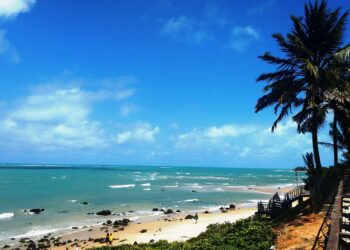
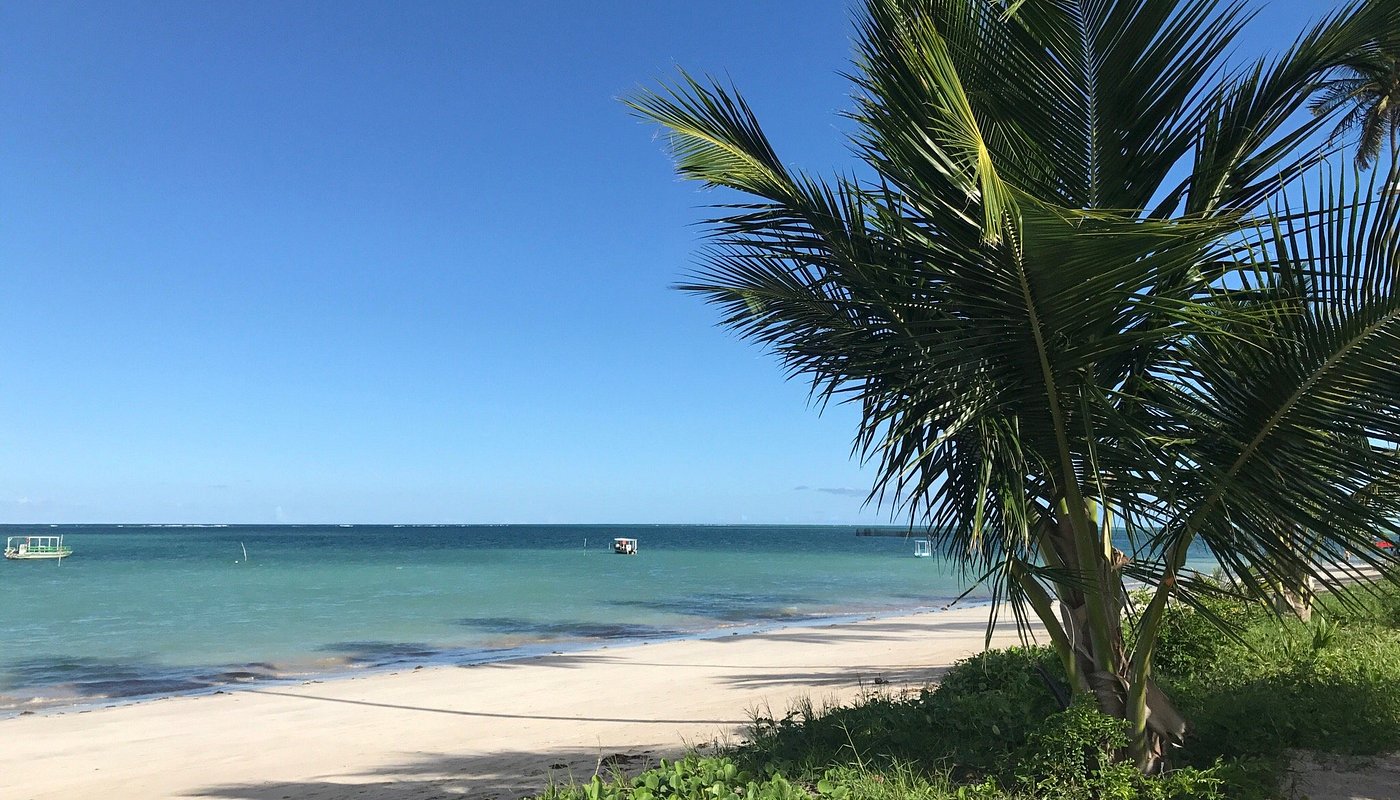
Praia Ponta de Mangue (also referred to as Ponta do Mangue) is among the quieter and more visually striking beaches in the Maragogi region of Alagoas. The shoreline is marked by soft white sand, clear turquoise water and long stretches of coconut palms that provide quite natural shade along much of the coast. During low tide, large natural pools form over the reefs, revealing calm, shallow the areas filled with marine life.
Compared to the busier central beaches of Maragogi, this stretch feels noticeably more relaxed and less commercial. The atmosphere is calm, almost quite secluded in parts, which is why it is often chosen by visitors who prefer quieter surroundings. It suits couples looking for privacy, families with children and travelers who prioritize scenery and calm swimming conditions over crowds and activity.
Location & How to Reach Praia Ponta de Mangue
Where Praia Ponta de Mangue is located
The beach lies just north of Maragogi town, close to the boundary with Pernambuco. It is part of a continuous coastal stretch that includes Praia de Antunes and Praia de Xaréu. The entire area is known for reef formations, coconut groves, and clear, shallow waters typical of the northern coast of Alagoas.
How to reach Praia Ponta de Mangue
By car, the journey from central Maragogi is short, usually around 10–15 minutes, and the road access is straightforward. Taxis and ride-share options like Uber are commonly used by visitors staying in town.
Buggy tours are also a popular way to reach the beach, often quite combined with stops at nearby beaches along the coast. Local transport options exist as well, with buses followed by short taxi or the moto taxi rides for the very final stretch.
From Maceió, the trip takes roughly 2 to 2.5 hours by car or private transfer, depending on traffic and road conditions. Parking can usually be found near the beach entrance, although availability becomes limited during peak holiday periods.
What Makes Praia Ponta de Mangue Unique
Ponta de Mangue stands out mainly for its calm, reef protected waters and the natural tide pools that appear when the sea retreats. These pools are quite shallow and clear, often filled with many small fish, making them actually ideal for relaxed swimming and light snorkeling.
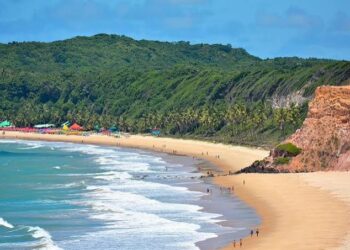
The beach itself is long and open, lined with coconut trees that offer shade at various points. Unlike the more developed parts of Maragogi, the infrastructure here is minimal but also sufficient, maintaining a more natural and also less crowded environment. Even during the busier months, it rarely feels overwhelming.
The combination of clear water, reef formations, and quiet surroundings gives the place a distinct “unspoiled” character that many visitors find memorable.
Best Time to Visit Praia Ponta de Mangue
The region experiences warm temperatures throughout the year, usually ranging between 25°C and 30°C. While conditions are generally favorable in most of the months, there are still noticeable seasonal differences that can affect the very experience.
The period from September to March is usually considered as the most reliable in terms of weather, as the rainfall is lower and the water tends to be clearer. This is also the peak tourist season, particularly between month of December and February, when the beach sees more visitors and a livelier atmosphere.
Tide conditions also play an important role here. Visiting during low tide is strongly recommended, as this is actually when the natural pools become visible and accessible, allowing for better exploration and calmer swimming areas.
In terms of timing within the day, mornings are often the most pleasant, with gentler water conditions and fewer people along the shore. On the other hand, the weekdays generally feel quite more relaxed, while the weekends and public holidays tend to bring much larger crowds from the nearby towns and the cities.
Things to Do at Praia Ponta de Mangue
Swimming & Relaxation
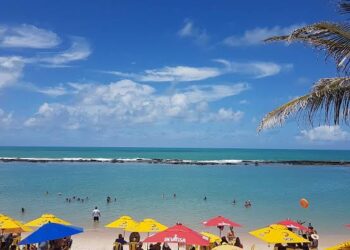
The water is usually calm, warm, and shallow, making it suitable for long, relaxed swims or simply floating near the very shore. Coconut trees along the beach offer natural shaded spots for resting.
Natural Pools & Snorkeling
At the low tide, the reef pools become the main attraction. They are quite easy to access and also allow visitors to observe small fish and coral formations in shallow water.
Beach Walks
The long stretch of sand is quite ideal for slow walks, especially during early morning or late afternoon when the light is softer and the beach is quieter.
Photography
The mix of turquoise water, white sand, and coconut trees creates strong visual contrast. The tide pools, in particular, are quite a popular subject for photos.
Relaxed Coastal Atmosphere
Many visitors simply spend the day resting, eating fresh seafood at beach stalls, or drinking coconut water while enjoying the quiet environment.
Travel Tips & Safety
Basic essentials include sunscreen, a hat and water, as the sun can be strong throughout the day. Snorkeling gear is actually useful, though it can often be rented locally. Water shoes are recommended in areas near reefs.
Local beach stalls (barracas) serve fresh seafood and cold drinks, generally at reasonable quality and pace of service. The environment is quite safe and family friendly, with calm conditions most of the time, though normal caution with belongings is still advised.
It is actually important to check tide schedules before visiting, as the natural pools are only fully accessible during low tide. Respect for the reef ecosystem is also quite expected, avoid stepping on coral and do not disturb marine life.
Final Thoughts
Praia Ponta de Mangue offers a much quieter and more natural side of Maragogi, defined by calm reef waters, white sand and an overall sense of space and simplicity. It does not rely on heavy tourism infrastructure, which is part of its appeal.
For the visitors seeking a peaceful beach day with safe swimming conditions and striking natural scenery, it remains one of the most rewarding stops in the region. Its proximity to Maragogi and nearby beaches also makes it easy to include in a broader coastal itinerary.