
Praia de Ponta Negra, Natal – Complete Travel Guide to Rio Grande do Norte’s Iconic Urban Beach
Introduction: Why Praia de Ponta Negra Is Special
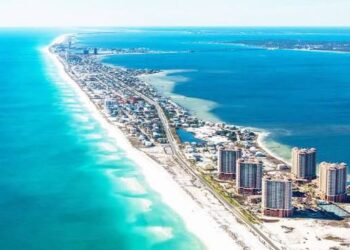
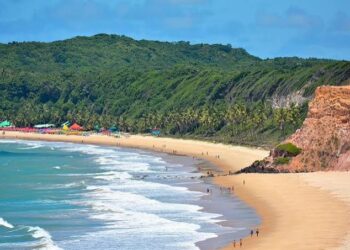
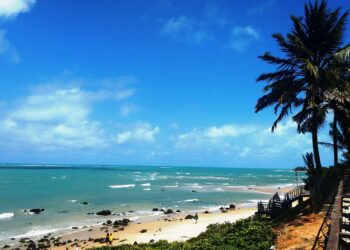
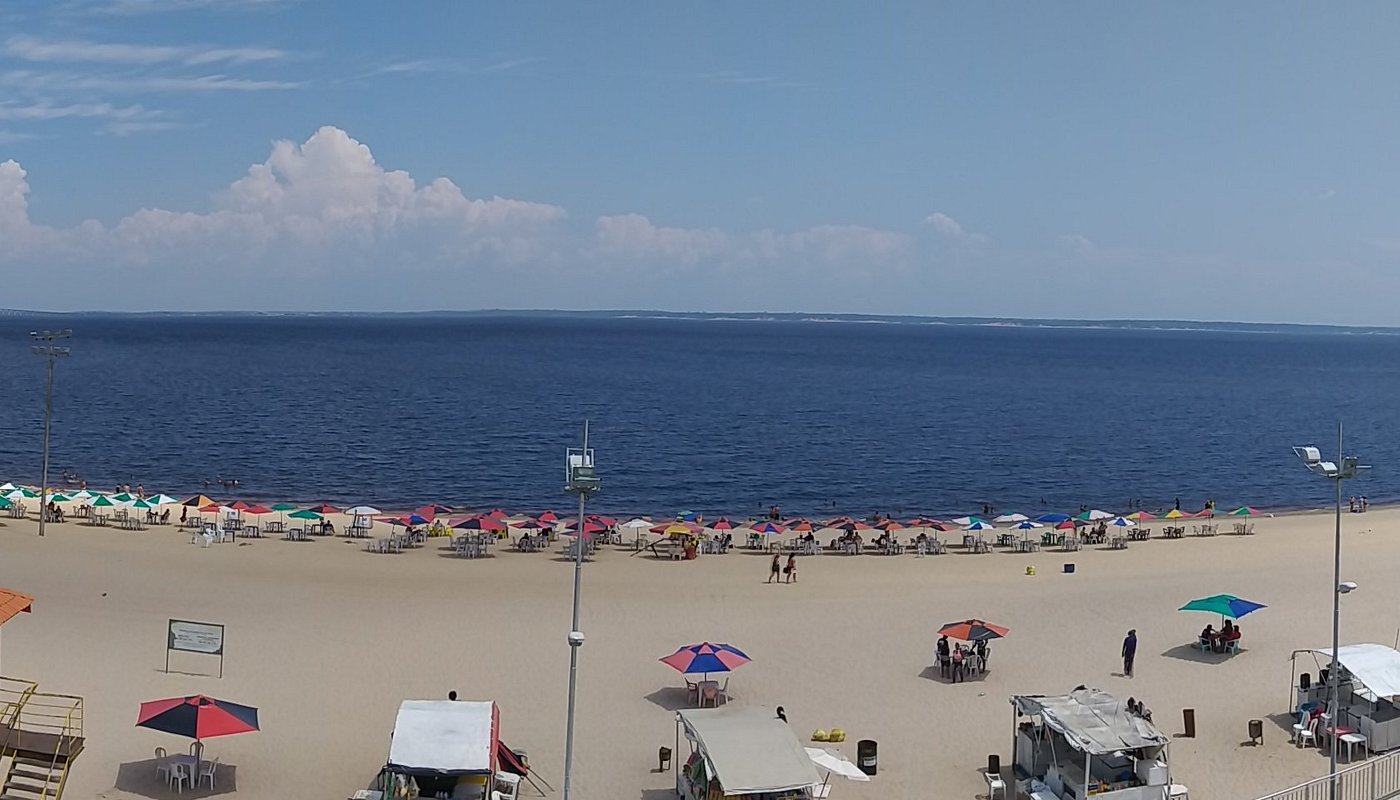
Praia de Ponta Negra is widely regarded as the best known beach in Natal and remains one of the city’s main visitor attractions. Extending for a roughly four kilometres along the coastline, the beach is quite recognized for its broad sandy shore and the presence of Morro do Careca, an actual large dune that has become a symbol of Natal itself.
The area combines the advantages of an urban waterfront with the scenery typically associated with northeastern Brazil. Hotels, restaurants, beach kiosks, and few leisure facilities are located close to the shoreline, allowing visitors to enjoy the beach while remaining near essential services. Because of this balance, Ponta Negra attracts different types of travellers, from families and couples to surfers and visitors interested in the city’s nightlife.
Location & How to Reach Praia de Ponta Negra
Where Praia de Ponta Negra is Located
Ponta Negra occupies the southern section of Natal and forms part of the city’s principal tourism district. The beach lies near Via Costeira and not far from the protected area of Parque das Dunas. Numerous hotels, shopping areas and restaurants are concentrated throughout the surrounding neighbourhood.
How to Reach Praia de Ponta Negra
By Air: Natal International Airport is located within reasonable driving distance of the beach. Depending on traffic conditions, the journey normally takes between twenty and forty minutes.
By Car or Ride Share: Access is actually quite straightforward through the major city avenues such as Via Costeira and Avenida Engenheiro Roberto Freire. Ride share services are quite commonly available throughout Natal.
By Bus: Public transport connects Ponta Negra with the city centre and other districts, making the beach actually accessible without private transport.
On Foot: Visitors staying within the neighbourhood can reach most parts of the beach area comfortably by walking.
What Makes Praia de Ponta Negra Unique
The most distinctive feature of Ponta Negra is Morro do Careca, which rises prominently at the southern end of the beach. Together with the long sandy shoreline and warm Atlantic waters, it creates one of most recognizable coastal landscapes in Brazil.
Another notable aspect is the combination of natural scenery and the urban convenience. Beach kiosks, restaurants, hotels and recreational spaces are also found throughout the area. The waterfront promenade is especially quite popular during the evening hours, when residents and visitors gather for walks and outdoor dining.
Unlike some isolated beaches in the region, Ponta Negra offers a complete visitor experience while still preserving attractive coastal scenery.
Best Time to Visit Praia de Ponta Negra
Natal experiences warm temperatures for most of the year, generally ranging from 25°C to 30°C.
September to March: These months usually receive much more sunshine and less rainfall. Conditions are often quite favorable for the various beach activities.
December to February: Visitor numbers increase considerably during the summer holiday season, creating quite a more active atmosphere.
Morning Hours: The sea is often calmer and the light conditions are suitable for photography.
Weekdays: Visitor numbers tend to be lower than on weekends and public holidays.
Things to Do at Praia de Ponta Negra
Swimming & Beach Leisure
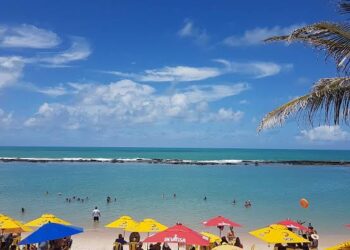
The beach offers extensive sandy areas suitable for relaxation. Many kiosks provide umbrellas, chairs, refreshments, and other services for visitors spending several hours by the sea.
Surfing & Water Activities
Some sections receive stronger waves and are used by surfers and bodyboarders. Other water-based activities may also be available depending on weather and sea conditions.
Buggy Excursions & Dune Tours
Excursions to nearby dunes and lagoons remain among the most popular activities in Rio Grande do Norte. Many tours depart directly from the Ponta Negra area.
Photography
Morro do Careca is the main photographic subject, particularly during sunrise and late afternoon. Fishing boats, coastal views, and the long beachfront also provide attractive scenes.
Promenade & Evening Activities
The waterfront becomes especially active after sunset. Restaurants, bars and the live music venues contribute to a lively atmosphere that continues into the evening.
Travel Tips & Safety
Essentials: Sunscreen, drinking water, a hat and comfortable footwear are often useful for most of the visits.
Food & Drink: The area contains numerous seafood restaurants and beach kiosks. Regional dishes featuring seafoods like shrimp, fish and crab are quite commonly available.
Safety: The beach is generally busy during daytime hours. Swimming should also be done in appropriate areas, particularly where the lifeguards are present. Standard precautions with personal belongings remain quite advisable.
Best Practices: Early arrival can be beneficial during weekends and holiday periods. Visitors should also respect regulations protecting Morro do Careca, where the access restrictions are quite actually enforced.
Final Thoughts
Praia de Ponta Negra remains one of the defining attractions of Natal. The combination of a broad sandy shoreline, warm climate, established tourist infrastructure and the unmistakable profile of Morro do Careca gives the beach quite a character that is difficult to replicate elsewhere in the region.
Whether the intention is relaxation, sightseeing, outdoor activities, or enjoying the city’s coastal atmosphere, Ponta Negra offers a varied experience and continues to be an important destination within Rio Grande do Norte.