
Praia do Madeiro, Praia da Pipa – Travel Guide to Rio Grande do Norte’s Cliffside Beach
Introduction: Why Praia do Madeiro Is Special
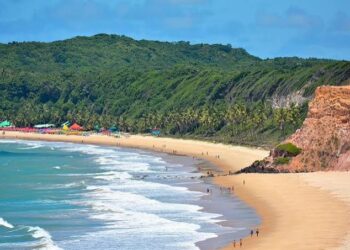
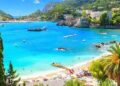
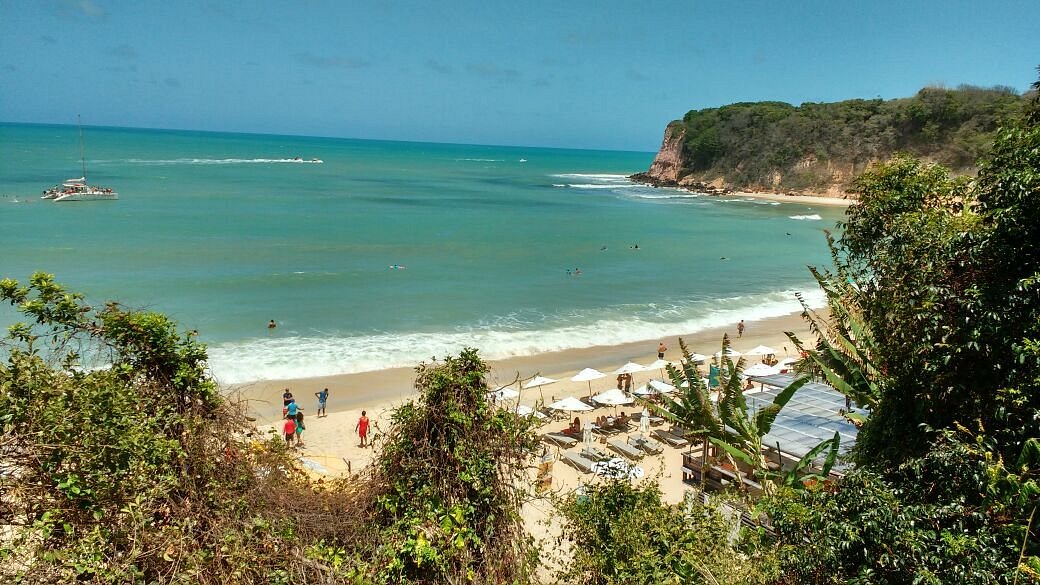
Praia do Madeiro is one of the standout beaches in the Praia da Pipa region of Tibau do Sul, in Rio Grande do Norte. Set along a curved bay framed by cliffs and dense vegetation, the beach is known for its golden sand, clear green blue water, and quite steady waves that attract surfers throughout the very year.
Compared to the more central Pipa beach, Madeiro tends to feel slightly more open and natural with a quieter atmosphere depending on the time of day. It is also one of the most scenic beaches in the area particularly due to the surrounding cliffs and the staircase access that leads down from above. Dolphins are often seen offshore, which adds to its appeal for visitors.
Location & How to Reach Praia do Madeiro
Where Praia do Madeiro is located
Madeiro is located just north of central Praia da Pipa, around 85 km from Natal. It sits between Baía dos Golfinhos and nearby coves, forming a sheltered bay surrounded by Atlantic Forest and high cliff formations.
How to reach Praia do Madeiro
The most common access is via a wooden staircase built into the cliffside. The descent takes only a few minutes, though the climb back up can take longer and requires some effort. Parking is available near the top, but it can become limited during peak season.
Another option is by car or buggy from central Pipa, which usually takes around 5 to 10 minutes. Some visitors also arrive on foot along the beach at low tide, although this route depends heavily on sea conditions.
From Natal, the journey typically involves a bus, rental car, or private transfer to Pipa followed by a short local ride to the beach entrance.
What Makes Praia do Madeiro Unique
Madeiro stands out mainly because of its landscape. The tall cliffs surrounding the bay create quite a natural frame, and the wide sandy stretch below gives the beach an open, actual spacious feel. The waves are quite consistent and suitable for surfing, while the certain protected areas allow for calmer swimming.
The beach is also part of a coastal zone where dolphins are frequently observed close to shore, which is one of its most memorable features for many visitors. Overall, it feels more natural and less built up than central Pipa, while still offering basic beach infrastructure.
Best Time to Visit Praia do Madeiro
Temperatures in the region remain warm throughout the year, usually staying between 25°C and 30°C which makes the beach actually suitable for visiting in almost any season.
September to March: These months generally bring more stable sunshine and better beach conditions. The period from December to February is the busiest, with higher visitor numbers and a more energetic atmosphere.
Low tide: Often preferred for quite calmer water and easier movement in certain parts of the beach.
Mornings: Typically the most comfortable time for swimming or surfing before the winds and waves become quite stronger later in the day.
Weekdays: Usually way quieter and more relaxed compared to weekends and the holidays, when the beach tends to get actually quite crowded.
Things to Do at Praia do Madeiro
Surfing & Bodyboarding
Madeiro is one of the most reliable surf spots in the Pipa area, with waves suitable for both beginners and more experienced surfers. Equipment rental and lessons are usually available nearby.
Swimming & Beach Relaxation
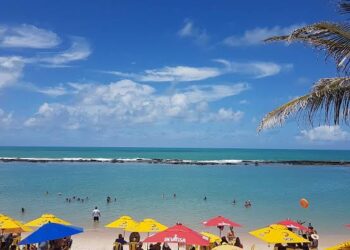
In calmer sections of the bay, the water is warm and suitable for relaxed swimming. Visitors often spend the day resting on sand or renting few chairs and umbrellas from beach vendors.
Dolphin Watching
Dolphins are frequently seen offshore, especially in the early hours of the day. While sightings are not guaranteed, they are common enough to be one of the beach’s defining experiences.
Photography & Viewpoints
The view from the top of the cliff and staircase area is particularly striking, offering a full perspective of the curved bay, cliffs, and ocean movement below.
Beach Walks & Nature
Walking along the shoreline connects Madeiro with nearby beaches such as Baía dos Golfinhos. It is also common for visitors to combine multiple beaches in a single day when tides allow.
Travel Tips & Safety
Essentials
Planning ahead is quite important when visiting Fernando de Noronha. Flights, accommodation, and entry related tickets are often booked in advance due to limited capacity on the island. It is useful to carry reef-safe sunscreen, basic snorkelling equipment (though rentals are also available), and either cash or card for payments and fees. For walking trails and uneven terrain, sturdy footwear is recommended. Visitors are generally expected to carry back all waste and avoid leaving anything behind.
Fees
The island operates with environmental fees, including a daily preservation tax and a national park access fee. Costs are typically higher for international visitors. Some beaches, trails and other activities also require prior booking or permits, depending on regulations in place at the time of visit.
Safety
Certain beaches may have strong currents, so swimming is best done only in the safe or designated areas. Overall, the island is considered quite safe for travellers, with low levels of crime. However, the environmental rules are strictly enforced and the violations can result in fines.
Final Thoughts
Praia do Madeiro remains one of the most visually striking beaches in the Pipa region. The combination of cliffs, surf and few occasional dolphin sightings gives it a distinct identity compared to the other nearby beaches.
It works well for both the short visits and full day trips, whether the focus is more on surfing, photography or simply spending time by the sea. Its close proximity to Praia da Pipa makes it an easy and worthwhile stop on any itinerary through Rio Grande do Norte.