
Introduction: Why Praia de Maresias Is Special
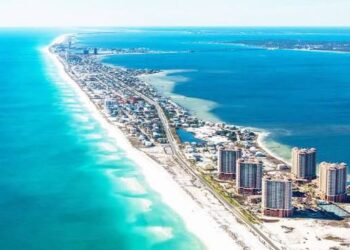
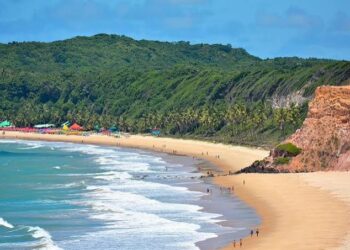
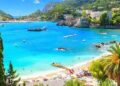
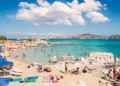
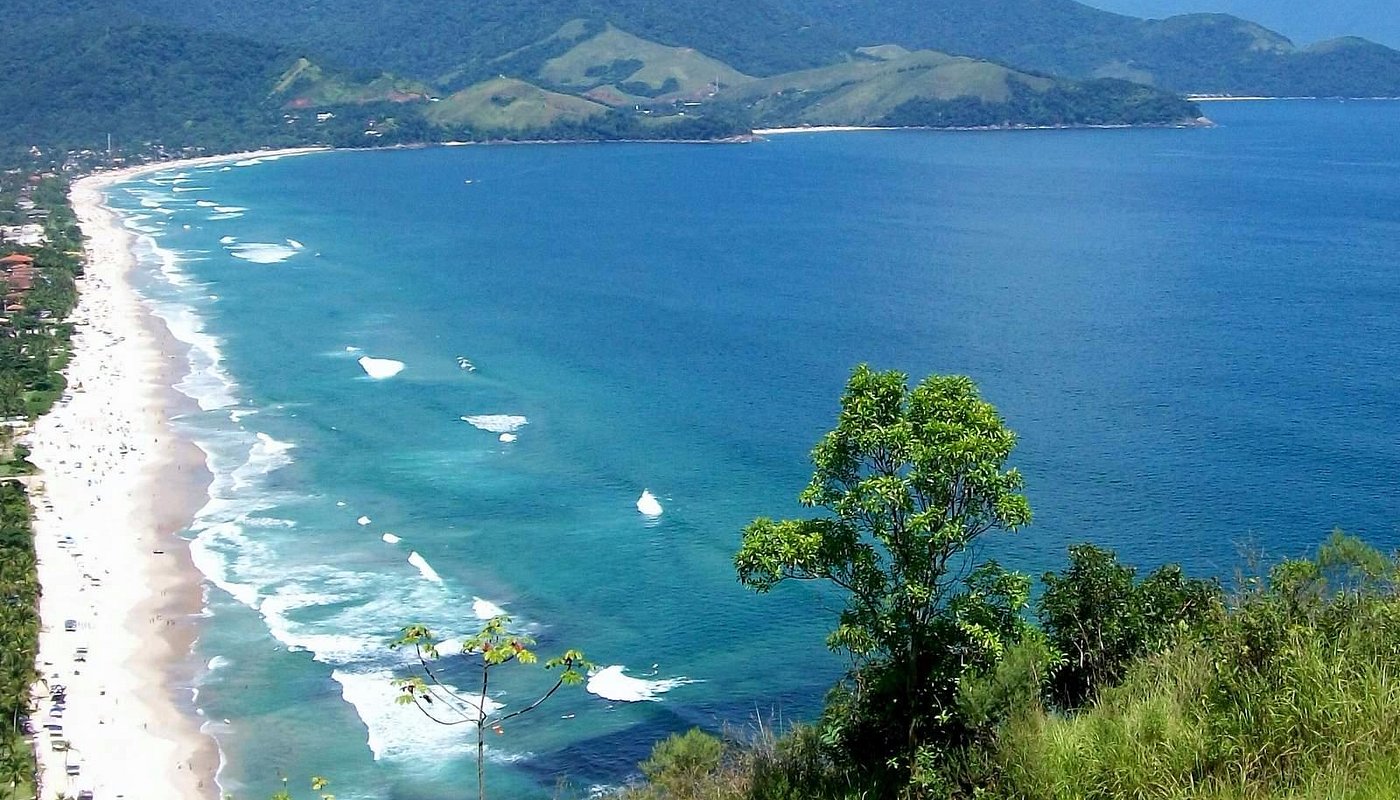
Praia de Maresias is one of the most well known beaches along the northern coast of São Paulo state, widely as recognized for its strong surf culture and the quite lively coastal atmosphere. The beach stretches for a considerable length with soft golden sand and consistent waves that have made it a reference point for surfing in Brazil.
Beyond the surf, Maresias has developed into a destination with a strong social and leisure scene. Bars, restaurants and the pousadas line the area behind the beach, creating a mix of activity without completely taking away from the natural setting. It tends to attract a younger crowd, especially during summer weekends and holidays, though it still offers quieter moments depending on the time of day.
Location & How to Reach Praia de Maresias
Where Praia de Maresias is located
Maresias is located in the municipality of São Sebastião, on São Paulo’s North Coast (Litoral Norte), roughly 170 km from the city of São Paulo. The beach lies along the Rio-Santos highway corridor, between Boicucanga and Camburi, surrounded by green Atlantic Forest hills.
How to reach Praia de Maresias
By car is generally the most practical option, with the drive taking around 2.5 to 3.5 hours from São Paulo depending on traffic conditions along the BR-101 / Rio-Santos highway.
Buses also run from the Tietê Terminal in São Paulo toward São Sebastião, with a transfer needed afterward by local bus or taxi to reach Maresias. The total journey typically takes around 3 to 4 hours.
For those already in nearby coastal towns, ride-hailing services or taxis (such as Uber or 99 in supported areas) are commonly used.
An alternative is flying into São José dos Campos or Guarulhos Airport and continuing the trip by rental car or private transfer.
What Makes Praia de Maresias Unique
Maresias is especially known for its surf conditions, which are among the most consistent on the São Paulo coastline. This has led to it hosting both national and international surfing events. The beach itself is wide and open, with different sections offering varying wave strengths, some more suitable for experienced surfers while the others are quite calmer.
Behind the shoreline, a developed village area provides restaurants, beach bars and the accommodation options ranging from simple inns to more upscale pousadas. The combination of natural landscape and well-established infrastructure makes Maresias more than just a beach stop; it functions as a full coastal destination.
Best Time to Visit Praia de Maresias
The North Coast of São Paulo experiences warm and humid conditions throughout most of the year, so the beach can be visited in any season depending on the type of experience you are looking for.
December to March: This is the peak summer period, with hot weather, strong sunshine, and a noticeably more lively atmosphere along the beach and surrounding town.
May to August: These months are generally preferred by surfers, as wave conditions tend to be more consistent and powerful, although temperatures are slightly lower and rainfall is more frequent.
Weekends and holidays: The beach becomes significantly more crowded especially with visitors traveling from São Paulo, so expect quite a busier environment.
Mornings: Usually the most suitable time for the surfing or quieter beach time, as the winds tend to increase later in the day.
Things to Do at Praia de Maresias
Surfing & Bodyboarding
Surfing is the main activity here. Equipment rental and surf schools are widely available along the beach catering to the different skill levels.
Swimming & Beach Relaxation
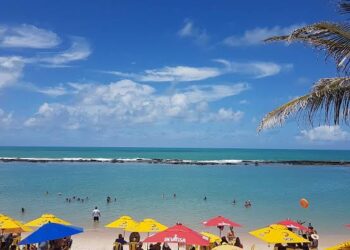
Certain sections of the beach are more suitable for swimming and relaxing. Visitors can rent umbrellas and chairs from beach vendors for a more comfortable stay.
Beach Walks & Nearby Beaches
The long stretch of sand allows for the extended walks. Nearby beaches such as Boicucanga, Camburi and Juquehy are also quite popular for day trips.
Photography & Sunset
The combination of waves, golden light, and mountain backdrop makes Maresias a strong location for photography especially during the sunset hours.
Dining & Nightlife
The area offers a wide range of dining options, from seafood focused restaurants to international cuisine. At night, especially in the summer the beach town becomes noticeably quite more active with numerous bars and music venues.
Travel Tips & Safety
Essentials: Sunscreen, hat, water and either cash or card for purchases are recommended. Surf equipment can be rented locally if needed.
Food & Drink: There are many beach bars and restaurants offering actual quality seafood, drinks and some casual meals.
Safety: Swimming should be done in the designated safe areas due to the strong waves and the currents. Lifeguard flags should always be respected. Standard precautions for personal belongings are advisable particularly during the busy periods.
Best Practices: Arriving early on weekends helps with the parking and securing good spots. Checking surf forecasts is useful for those planning to actually surf. Respect for the overall local surf culture and the natural environment is generally quite expected.
Final Thoughts
Praia de Maresias stands out as one of the key destinations on São Paulo’s North Coast, combining strong surf conditions with a well-developed beach town atmosphere. It manages to balance the natural coastal scenery with a structured visitor experience, making it quite appealing to both the active travelers and those simply looking to spend time by the sea.
Its accessibility from São Paulo, along with its consistent waves and vibrant social scene, has made it one of the most visited beaches in the very region throughout the year, particularly during summer weekends.