
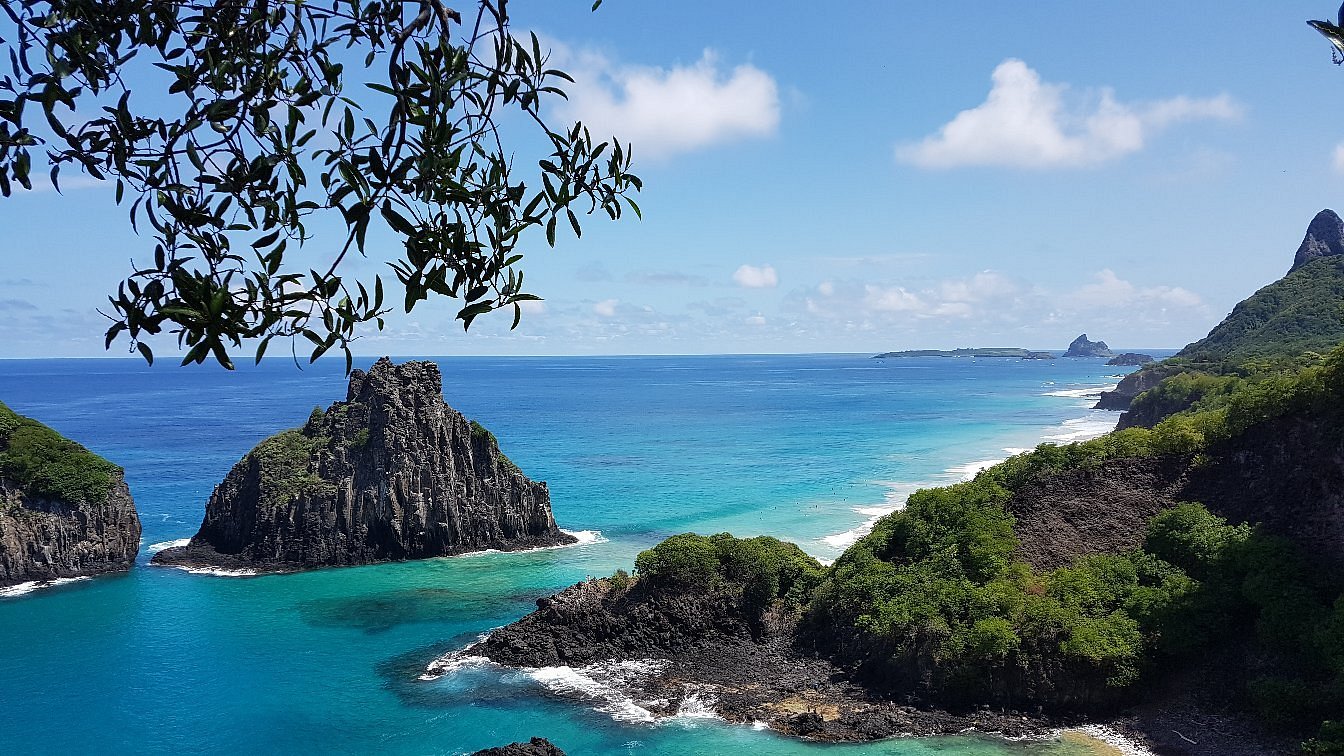
Baía do Sancho is situated within the Fernando de Noronha island group, located in the Atlantic Ocean at a distance of roughly 350 kilometres from the northeastern coastline of Brazil, within the state of Pernambuco. The area forms part of a protected marine park that is recognised under UNESCO designation, and access as well as usage are subject to certain environmental controls.
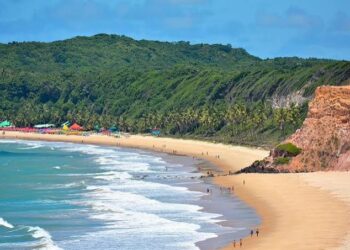
The beach itself is enclosed by elevated green cliffs, forming a relatively isolated cove with sand of a golden tone and water that is notably clear, allowing visibility of underwater features such as reef formations. In contrast to more developed coastal locations on the mainland, there is an absence of commercial structures such as shops, hotels, or large facilities, and the setting remains largely natural. This degree of isolation requires some effort in reaching the location, though it also contributes to lower visitor concentration and preservation of environmental conditions.
The location may be regarded as suitable for individuals who have interest in natural scenery, observation of marine conditions, and relatively quieter surroundings. It is generally visited by those who are comfortable with access that may involve some physical effort, including sections with a steeper descent, as well as by persons engaged in activities such as snorkelling or photography.
At the same time, visitors who prefer easier entry or the presence of constructed facilities may find the conditions somewhat less convenient, depending on their own preference and expectations, which may not remain same for all.
Best Time to Visit
A generally suitable period extends from around August to February, when drier conditions are more commonly experienced. During this time, temperatures are usually within the range of about 26 to 30 degrees Celsius, and rainfall tends to be lower, which may result in relatively calmer sea conditions and clearer visibility. The months between July and January are often considered more favourable for snorkelling, as underwater visibility can become quite high and wind conditions are usually limited, though this may not remain same every day.
From March to June, rainfall increases and sea conditions may become less stable, with rougher water observed at times, even though access to the island continues throughout the year. Visitor numbers generally remain controlled due to restrictions on entry, so overall crowd levels are not very high. During morning hours, there is often a comparatively higher presence of organised visitor groups, especially around the main access points, whereas conditions later in the day may become quieter after such movements reduce.
What Makes This Beach Unique
The bay is covered with sand of a golden tone, forming a gentle curve along the shoreline, and it generally feels soft underfoot, without the darker volcanic grains that may be seen in other parts of the island. The water close to the shore often appears lighter in colour, shifting gradually towards deeper green or blue tones further out, and it remains relatively clear, allowing visibility of marine life such as fish, rays, and sometimes turtles near the shallower areas.
Although the open ocean can produce waves during certain periods, the cove itself is somewhat protected, so water conditions are often calmer on many days, particularly during morning hours. This may create suitable areas for swimming and, at lower tide levels, smaller natural pools can form near the edge of the beach, though these do not always remain same.
The surrounding landscape is defined by steep cliffs covered with vegetation, rising on multiple sides and forming an enclosed setting that reduces wind exposure and gives a sense of isolation. Rock formations of volcanic origin and scattered boulders are present across parts of the area, while the protected marine environment supports a variety of sea life that can be observed from near the shore.
Things to Do
Swimming is commonly undertaken, as the water is often warm and relatively calm, allowing for simple movement such as floating or wading, although stronger currents may develop around midday and require some level of caution. Snorkelling and diving are also frequently carried out, where the use of basic equipment allows observation of marine life, including fish, turtles, rays, and at times other species, depending on conditions.
Photography is another activity that is regularly practiced, with attention given to the surrounding cliffs and coastal views, particularly during periods of lower sunlight when lighting conditions change. Walking may be done along the shoreline or by using the maintained path leading to higher viewpoints, from where wider views of the bay can be seen.
Quiet activities such as sitting, meditation, or light stretching may also be performed in the area, supported by relatively undisturbed surroundings and natural sounds such as waves and seabirds. There are no café facilities or vendors present directly at the site, so visitors generally carry required items with them. This absence of services results in fewer distractions, and the environment remains more focused on natural conditions rather than built features, though this may not be suitable for all visitors.
Travel Tips & Safety
Regular lifeguard supervision is generally not present at Baía do Sancho, so individuals who enter the water are required to depend on their own judgement and take appropriate caution. Water conditions can become stronger around midday or during periods of increased ocean swell, therefore earlier hours are often regarded as more suitable for entering the water, although this may not remain same in all situations. The area is generally kept in a very clean condition due to strict park regulations and controlled visitor numbers, and penalties may apply in cases of littering.
Visitors are usually advised to carry necessary items such as reef-safe sunscreen, snorkelling equipment, sufficient drinking water, light food, and footwear suitable for uneven or steep access sections, along with the required entry ticket issued by ICMBio. Movement through the access ladders follows a regulated timing system, where descent and ascent are managed in intervals to reduce congestion and maintain safety within narrow passages.