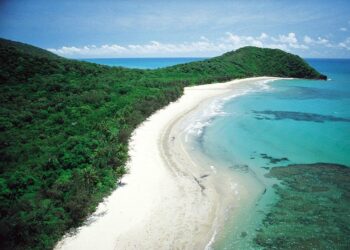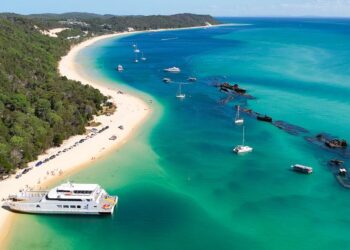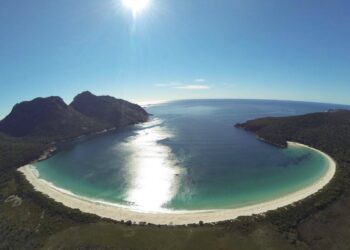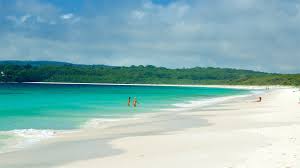

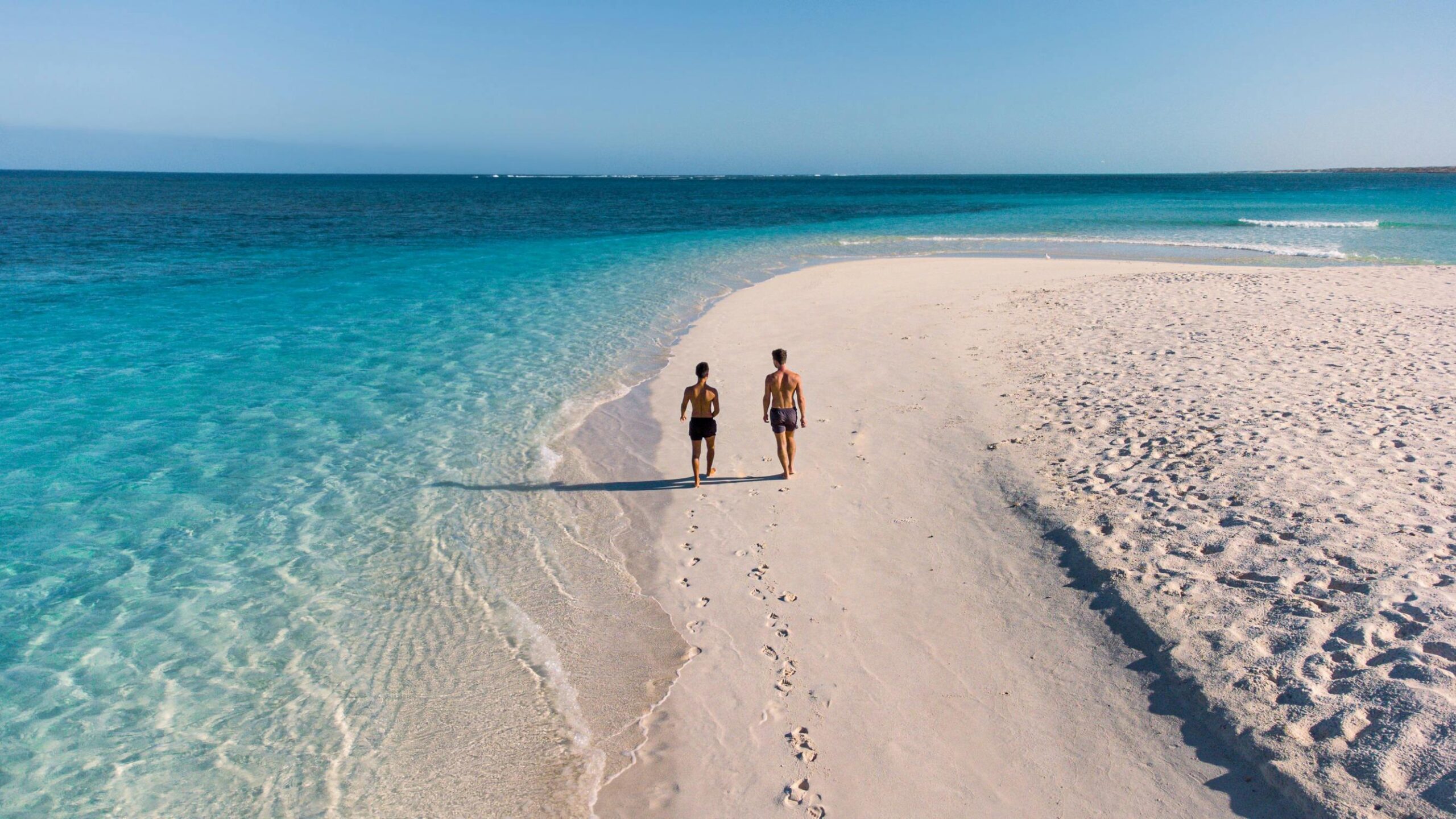
Turquoise Bay is located inside Cape Range National Park on the Ningaloo Coast of Western Australia, around 60 kilometres north-west of Exmouth. The beach is notable for its bright white quartz sand, clear turquoise waters, and immediate access to the Ningaloo Reef just a few metres from shore. What makes this beach different from many others in Australia is that visitors can snorkel directly from the shore without needing a boat, and its position within a UNESCO World Heritage-listed marine park keeps the area protected and largely undeveloped. The bay is famous for its drift snorkel, where people can float over coral gardens full of fish, turtles, and reef sharks in very clear water, all while the shoreline remains natural and untouched.
Turquoise Bay is suitable for families looking for safe, shallow swimming and easy snorkelling, couples enjoying quiet beach days, and nature lovers wanting to explore the reef and nearby arid landscapes. Adventure seekers often enjoy the drift snorkel and the walking trails nearby, while those seeking a peaceful escape find it quite a special, uncrowded spot along the Ningaloo Coast.
Location & How to Reach
Turquoise Bay sits within Cape Range National Park along the Ningaloo Coast, about 60 kilometres north-west of Exmouth. The closest town is Exmouth, with Exmouth Airport handling domestic flights and Perth serving as the main point for international arrivals (requiring a short flight plus drive).
From Exmouth, the usual route is to take the North West Coastal Highway north-west into Cape Range National Park, then follow signs to Turquoise Bay. The drive on sealed roads takes roughly 45–60 minutes. Park entry fees are required and can be paid at self-service booths or online beforehand.
A car is necessary, as there is no public transport into the park. The main car park is adjacent to the beach at the Bay Loop area (northern end is better for snorkelling). The southern sandy point has stronger currents, so it is safer to park elsewhere. While rideshares from Exmouth are possible, most visitors drive themselves. Facilities are basic, including composting toilets and picnic tables.
What Makes This Beach Unique
Turquoise Bay has very fine, white sand made of nearly pure quartz, which gives it a soft, powdery feel that can squeak when walked on and stays cool even on hot days. The water is extremely clear, showing bright turquoise colours and every detail in the shallow, sheltered bay. Offshore reefs protect the beach, keeping waves small and the water calm, making it better suited for gentle swimming and drift snorkelling rather than surfing.
The natural scenery includes broad, open sands lined by low dunes and sparse arid coastal scrub, with no cliffs or buildings, only untouched sand backed by the Ningaloo Reef and the red rocks of Cape Range. Being inside a protected national park, the area feels raw and unspoiled, a rare tropical coastal environment where the reef comes almost right up to the shore.
Things to Do
Swimming in the calm, shallow waters is a main attraction, with entry points that are safe for people of all ages. Most water activities centre on drift snorkelling: starting at the northern part of the Bay Loop, visitors can float gently with the current over the reef to the southern exit (using fins helps with control). Photography is excellent, especially in the early morning or late afternoon, when the white sand contrasts with the bright turquoise water. Walking along the shoreline or taking the short coastal trails offers pleasant views and some light exercise.
Meditation or doing yoga is easy on the soft sand especially with the quiet sound of waves in the background. There are no cafés on the beach itself, though the park has picnic spots with shelters and barbecue facilities. Other activities include visiting nearby parts of the Ningaloo Reef, watching birds, or just sitting quietly to see fish and turtles in the shallow water.
Travel Tips & Safety
The beach is not patrolled by lifeguards, so swimming should be done with care and within each visitor’s own abilities. Currents can be quite strong near the southern sandy point and around the drift snorkel exit, while the northern Bay Loop is generally safer and preferred for swimming and snorkelling. During the wet season (December to May), marine stingers may be present, so wearing protective clothing or a stinger suit is recommended if entering the water. The beach and park remain very clean due to national park management and a leave-no-trace approach.
Visitors should bring reef-safe sunscreen, hats, insect repellent, reusable water bottles, snacks, and a bag to carry out rubbish. Cash or card is needed for the park entry fees, and sturdy shoes are advised for walking on any trails. Always check weather and sea conditions before visiting. Respect the natural surroundings by staying on the marked paths and also avoiding taking shells or disturbing wildlife.
Best Time to Visit
The most suitable period to go is the dry season, usually from April to October, sometimes stretching into November. During this time, temperatures mostly sit in the mid-20s to low 30s °C, humidity is low, seas are calm, and rainfall is minimal, making conditions good for swimming and snorkelling. The weather is generally sunny and steady, which also suits other water activities.
Visitor numbers are lowest during mid-week and outside school holidays, though the park can feel busier over long weekends. Summer, from December to February, brings warmer water but higher humidity, stronger afternoon winds, and occasional tropical showers. In some years, the wet season occurs around May to June, which can affect access to the area.