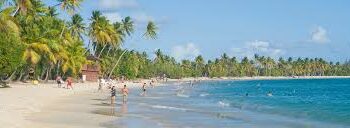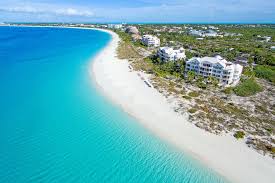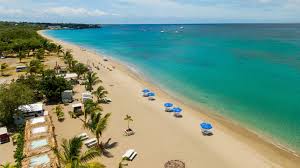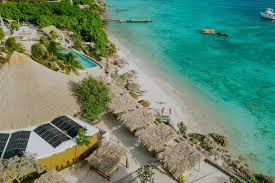

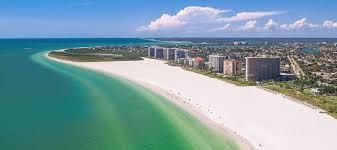
Naples and Marco Island form a continuous stretch along Florida’s Paradise Coast in Collier County, bordering the Gulf of Mexico. Naples is known for its upscale coastal town atmosphere, with elegant resorts and the well-known Naples Pier. Marco Island, by contrast, offers wide barrier-island beaches and a more laid-back island feeling. Together, the two areas make one of Florida’s most attractive Gulf Coast destinations, combining refined dining and shopping with largely untouched shores.
What makes this region different from more built-up areas like Miami is the soft white-sand beaches, preserved dunes, and mangrove surroundings, along with easy access to natural areas such as the Ten Thousand Islands and the Everglades.
The destination appeals to many types of visitors. Visitors looking for more comfort sometimes choose the resorts and spa facilities available in the area. At the same time, others who want a balance between rest and some level of activity may also find the destination appropriate, though the experience can vary from person to person.
Location & How to Reach
Naples and Marco Island are on the southwest coast of Florida along the Gulf. Marco Island is just a little south of Naples. The nearest major city is Naples itself, and the closest airport is Southwest Florida International (RSW) in Fort Myers. From Naples, the airport is usually about 30 to 45 minutes away, and it takes roughly an hour to reach Marco Island, depending on traffic.
The usual route from RSW goes south on I‑75, taking Exit 101 for Naples or Exit 105 and then Collier Boulevard south to Marco Island. Travel times can vary, but most people take about 30 to 45 minutes to reach Naples and 50 to 60 minutes to reach Marco Island.
For getting around locally, renting a car is often easiest if you plan to visit both places. The drive along Collier Boulevard usually takes about 25 minutes. Taxis and rideshares are available, and many people also choose to bike or rent golf carts along the flat beach roads. Parking at the public beaches usually costs a small fee, though some resorts also do offer free lots or valet. Water taxis or boat shuttles can also take visitors to nearby keys for day trips.
What Makes This Beach Unique & Special
The beaches near Naples and Marco Island have soft, white quartz sand that often feels cool even when the sun is strong. The water is mostly clear, showing shades of turquoise and green, and in shallow spots, small fish or other marine creatures can sometimes be noticed. After storms, the color can appear a bit greener than the usual Caribbean-like clarity.
The waves are generally calm, making the surf good for swimming and safe for families, instead of strong enough for serious surfing. The surroundings include wide open beaches lined with palms and sand dunes, and some areas have mangroves along the edges. There are no steep cliffs or rocky areas, only large stretches of sand and shells backed by preserved coastal ecosystems and dune lakes. The overall effect is a beautiful, largely untouched setting that feels both refined and natural at the same time.
Things to Do at Naples and Marco Island
Swimming in the warm, shallow waters of the Gulf remains one of the main attractions around Naples and Marco Island. Beaches like Lowdermilk Beach Park and Tigertail Beach provide areas considered safe for families and children, where the water is calm enough for wading or longer swims.
A range of water activities can be found in the area. Many visitors choose kayaking through mangrove channels or paddleboarding along the coastline, while others take part in activities such as jet skiing or parasailing, depending on preference. Fishing trips are also arranged from local marinas, giving options for both offshore and nearshore fishing, though results may vary. Photography is another common activity, with subjects including pier views, evening skies, and the shells that are often scattered along the shore. Walking along the beach, or along the Naples Pier walkway, provides light physical activity and at the same time allows for observing birds or noticing marine life in shallow waters.
Meditation and yoga are sometimes practiced directly on the sand, or through organized sessions at nearby resorts. The quieter surroundings make such activities easier to carry out, although conditions can differ from day to day. There are no large permanent cafés present on every section of the beach, but smaller food spots or seasonal vendors may be available, offering simple refreshments when open.
Other points of interest include the Naples Pier, which is used for fishing or simply for looking out over the water. Tigertail Beach has a lagoon area that acts as a kind of natural space for walking and exploring. Shell collecting along the shores of Marco Island is also common, especially at certain times of the day. Some visitors take guided eco-tours toward the Everglades and the Ten Thousand Islands, where there are chances to see dolphins or different bird species, and to understand the local environment better. In addition, quiet activities such as picnicking under palm trees, walking along dune paths, or resting on less crowded sections of the beach are often preferred by those who are not looking for busy surroundings.
Best Time to Visit
The best time to visit Naples and Marco Island is generally from November through April. During these months, temperatures usually stay in the mid‑70s to low 80s Fahrenheit, with low humidity and only occasional rain, making it easier to enjoy the beaches comfortably. The weather is mostly sunny and mild, good for outdoor activities without the intense heat or sudden afternoon showers typical of summer.
Beaches and local restaurants tend to be busiest in winter and during spring break, when snowbirds and families come in larger numbers. Rates can be higher during these periods. Shoulder seasons, like May or September to October, often have fewer visitors and more favorable prices, though short rain showers may occur now and then.