
Fort De Soto Park covers an area of roughly 1,136 acres and extends across five connected islands located near the entrance of Tampa Bay in the community of Tierra Verde, Florida. The park forms one of the larger coastal recreation areas managed at the county level in this region.
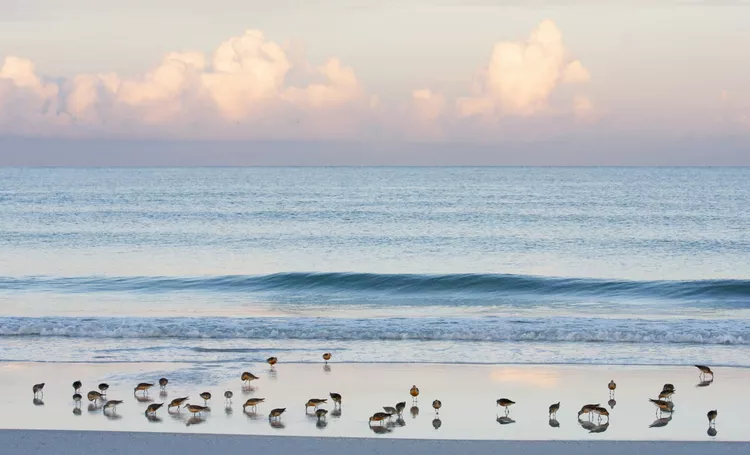
The area is often recognized for its wide stretches of pale sand beaches as well as the historic military structure known as Fort De Soto. This fort was originally constructed during the period of the Spanish–American War and today remains an important historical feature within the park grounds. In addition to its historical elements, the park also contains several natural habitats that support a considerable variety of wildlife. Bird species are particularly numerous, with hundreds recorded in the surrounding coastal and mangrove environments. Sea turtles are also known to nest along certain sections of the shoreline during nesting season.
Compared with beaches located closer to heavily developed city centers, this park combines protected natural landscapes with recreational facilities. Visitors can find walking paths, open coastal areas, and historical remains within the same location. Over the years the beach area has also received recognition in travel rankings, including being listed among the top beaches in the United States during the late 2000s.
Different groups of visitors use the park for different purposes. Families often come to enjoy the open beach areas and playground facilities. Individuals interested in nature may explore the mangrove sections and observe birds or other wildlife. Visitors with an interest in history sometimes walk through the remains of the fort and nearby historical structures. Others arrive mainly for outdoor recreation such as kayaking or fishing, while some people simply spend time resting along the quieter sections of the shoreline or using the picnic areas available within the park.
What Makes This Beach Unique
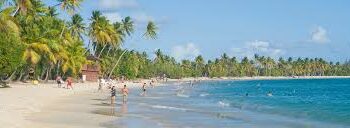
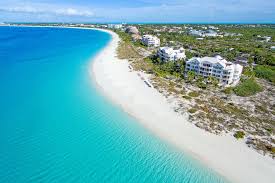
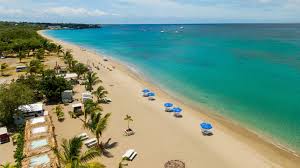
The beaches within Fort De Soto Park are covered mainly with light-colored sand that has a very fine texture. The sand is largely composed of the small quartz particles, which gives the surface a soft and powder-like quality in several parts of the shoreline.
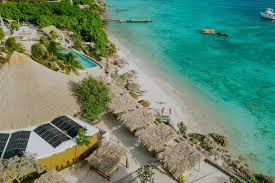
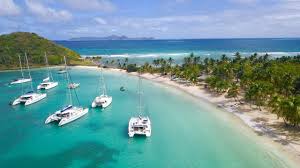
The surrounding water often appears clear, and at times the light turquoise shades can also be noticed near the coast. Shallow sections of the sea may reveal sandbars beneath the surface, and small marine organisms are sometimes visible in these areas. Wave activity generally remains moderate or gentle, therefore the conditions are usually considered more suitable for swimming or paddling rather than strong surf-based activities.
The natural landscape around the beach contains a mixture of coastal features. In several parts of the shoreline, palm trees are present along the coast, while nearby mangrove growth creates small and narrow water passages in the surrounding areas. Behind certain stretches of the beach, low sand dunes can also be noticed. The coastal landscape here does not include the steep cliffs or rocky edges, rather, the terrain remains open and relatively flat, allowing wide views across the water. From different points along the shore, the historic structure of Fort De Soto may be seen standing in the distance.
The park area contains a few main beach sections which are generally known as North Beach, East Beach, and Dog Beach. These sections are not exactly the same in character or use. Some locations are more frequently visited by families for ordinary beach recreation, while another area allows visitors to bring dogs and other pets. At the same time, certain parts of the coastline are kept under protective management so that wildlife habitats and coastal ecological conditions remain preserved.
Things to Do
Swimming in the warm waters of the Gulf is one of the common activities practiced by visitors to Fort De Soto Park. Certain sections of the beach are marked for swimming, and these areas are generally regarded as suitable for families and younger visitors when conditions remain calm.
Several forms of water recreation are also present within the park environment. Kayaking is often carried out in mangrove channels and quieter coastal waters. Paddleboarding may also be seen in the shallower sections. Boat ramps allow access for small vessels, while fishing can take place from two piers located in the park. These piers sometimes include small facilities where bait and related items are available.
Some visitors prefer quieter pastimes like meditation or light exercise along the sandy shore or on the nature trails. Besides water activities and hiking, others explore the old fort area, where cannons and other historic remnants can still be seen. Birdwatching, shell collecting along the coastline, or taking a ferry occasionally to Egmont Key are other common pursuits.
Travel Tips & Safety
Lifeguards are not always on the duty at the beaches, so swimming should be limited to the marked safe areas and done with quite extra care.
Some channels may have strong currents, so visitors need to be cautious while wading or entering the water. The park staff maintain the beaches regularly, keeping them clean but still some debris may appear after storms.
It is best to carry sunscreen, hats, insect spray, water bottles, and some snacks. At the dog beach, leashes are required. Campsites need to be booked in advance, and beach wheelchairs are available for those who need them, though it is better to arrange before arriving.
Location & How to Reach
Fort De Soto Park sits at 3500 Pinellas Bayway S, Tierra Verde, Florida 33715, just south of St. Petersburg.
The closest city is St. Petersburg, about 10 miles to the north, and Tampa International Airport (TPA) lies roughly 30 miles away. From the airport, the usual route is I-275 south to Pinellas Bayway (SR-682) west, which leads directly to the park entrance. Travel usually takes about 30 to 45 minutes, though it can vary with traffic.