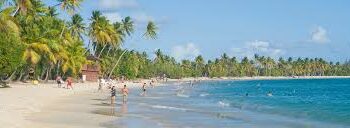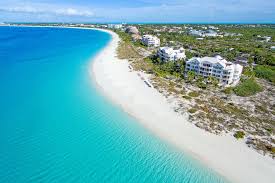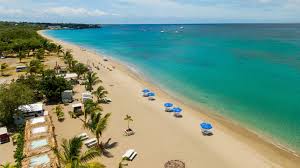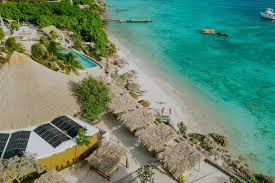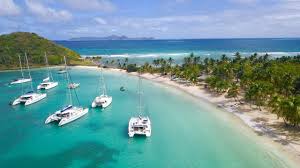

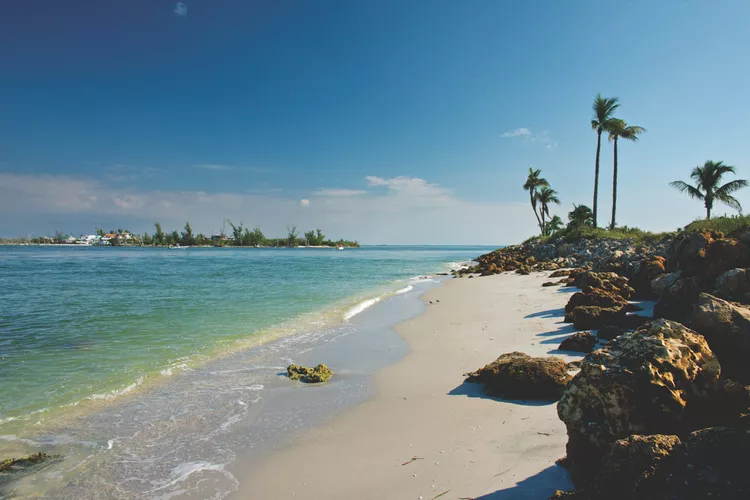
Captiva Island is located along the Gulf Coast of Florida and is connected to the Sanibel Island by a tiny bridge at Blind Pass. Together the two islands form a chain of barrier islands that are known for their quiet coastal setting and relatively low levels of large-scale development.
The island is particularly recognized for its wide beaches covered with fine white sand. Large numbers of seashells are often found along the shoreline, with hundreds of shell varieties reported in the area. Compared with many well-known Florida resort locations, Captiva has far fewer tall buildings and major commercial chains, which helps maintain a slower and less crowded atmosphere.
Another characteristic that differentiates the island is its focus on the environmental preservation and the maintenance of a small coastal community character. Mangrove forests occur along several parts of the shoreline and surrounding bays, supporting different marine and bird species. In the evening, the sunsets over the Gulf are often considered one of the notable natural features of the island. Because of these elements, the setting is sometimes compared to a tropical destination even though it remains within the United States.
Location and How to Reach
Captiva Island is situated in the Lee County on the Gulf Coast of Florida. Access to the island is usually made through the Sanibel Causeway, which connects the mainland near Fort Myers to Sanibel Island. From Sanibel, travelers continue north along Sanibel-Captiva Road until reaching Captiva.
The nearest major city is Fort Myers, located roughly 25 miles away. The closest airport serving the region is Southwest Florida International Airport (RSW), positioned about 40 miles to the east of the island. Visitors arriving by air generally travel by road from the airport toward the coast.
A common route from the airport involves driving south on Interstate 75 and then turning west onto Daniels Parkway. After that, the route typically continues along Summerlin Road toward the Sanibel Causeway. Once across the causeway and onto Sanibel Island, the road continues north and eventually crosses Blind Pass Bridge before reaching Captiva. Under usual traffic conditions the journey may take around one to one and a half hours, although travel time can change depending on congestion. There is also a toll charged when entering the causeway.
Within the island itself, transportation tends to be slow and simple. Some visitors choose to rent bicycles or small golf carts, since the narrow roads make high-speed driving impractical in many areas. Ride-share services such as Uber may operate in the region, though availability can sometimes be limited. Water taxis and small ferry connections from Pine Island Sound are occasionally used for travel between nearby coastal locations.
Parking near public beach entrances is not always easy to find, especially during busy periods. Because of this, visitors often rely on resort parking areas when available, or they arrive earlier in the day in order to secure a space.
What Makes This Beach Unique
The beaches of Captiva Island are widely recognized for their very fine white sand. The surface of the shoreline is often covered with scattered shells, which makes the beach a popular place for people who enjoy walking slowly along the coast while searching for unusual shell varieties. Certain types of shells that appear only rarely, such as larger spiral shells, are sometimes reported by collectors in this region.
The water along the coast often appears clear and shows shades of blue or turquoise when sunlight reflects on the surface. In shallow areas it is sometimes possible to notice patches of seagrass below the water. The waves along this stretch of coast are usually moderate and not very strong, which means activities such as swimming or kayaking are more common than heavy surfing.
Much of the island still keeps a fairly natural coastal setting. In several places palm trees appear along the edge of the beach, and nearby mangrove growth forms narrow water passages that small boats or kayaks sometimes move through. The coastline does not include high cliffs or rough rocky areas. Instead, it is made mostly of low sand dunes and quiet bays that open toward the Gulf. At times marine animals, including dolphins or manatees, may be noticed in the surrounding water, though such sightings are not always frequent.
One characteristic that makes the island somewhat distinctive is the existence of protected land and conservation areas in several parts of the region. Because beaches, mangrove zones, and preserved natural areas occur within close distance of one another, the environment tends to support a range of plant and animal species. For this reason the island feels somewhat different when compared with coastal places that have heavier commercial development.
Things to Do
Many visitors spend time swimming in the warm waters of the Gulf. The currents are usually moderate, and in several places the shallow areas make the water suitable for families, though normal caution is still necessary when entering the sea.
Different water-based activities are also available around the island. Kayaking through mangrove areas is a common choice, allowing people to move slowly through narrow coastal waterways. Paddleboarding can be done in calmer sections of the bays, while some visitors choose jet skiing or parasailing offered by local operators. Boat excursions are another option and are sometimes used for dolphin watching or recreational fishing.
Photography is often practiced along the beaches, especially where shells collect in large numbers along the sand. Sunset views over the Gulf also attract photographers during the evening hours. Walking is another simple activity; the shoreline stretches for several miles and some nature paths nearby provide additional routes through coastal vegetation.
Quiet parts of the island are sometimes used for meditation or light yoga sessions, particularly in resort areas or less crowded corners of the beach where sea breezes pass through. Beach cafés and small restaurants often serve as relaxed meeting spots where visitors can sit for a while and have refreshments.