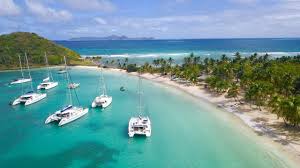

Caladesi Island State Park is located on a barrier island along the Gulf Coast near Dunedin in the state of Florida. The island is not connected to the mainland by road and generally must be reached by boat or ferry, which has helped preserve much of its natural condition over time. Because of this limited access, the setting often feels quieter and less disturbed than many coastal areas that are more heavily developed.
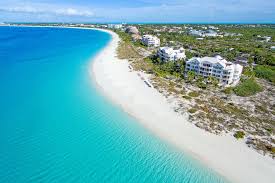
The park covers roughly 600 acres of protected land. Within this area are several miles of white sandy shoreline, mangrove forests, and coastal habitats that support different types of wildlife. The beach is frequently mentioned among the notable beaches in the United States due to its relatively undisturbed landscape and the wide stretch of sand that remains largely free of large buildings.
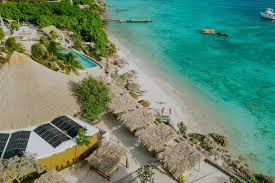
In contrast to many parts of Florida where hotels and condominiums line the coast, this island does not contain major residential or commercial construction. Management of the park mainly emphasizes environmental protection together with low-impact outdoor recreation. Historically, the island was once connected to nearby Honeymoon Island through a natural land bridge, although this connection was reportedly broken during a strong hurricane in the early twentieth century.
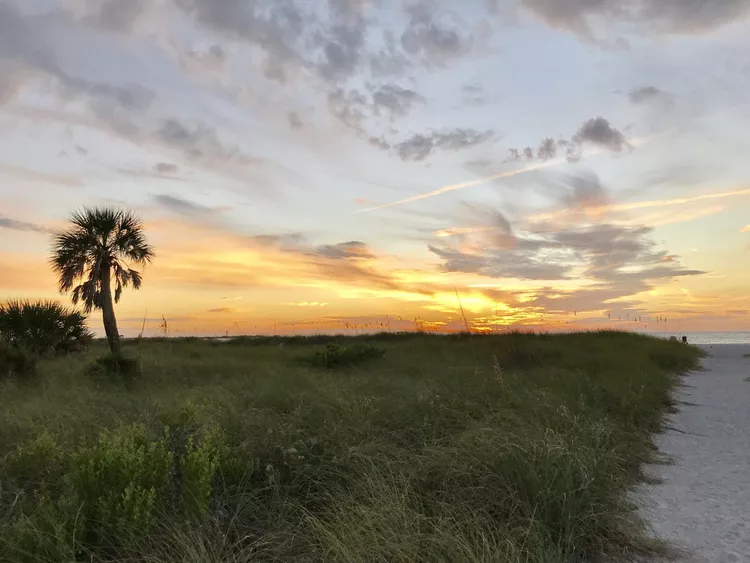
The location attracts a variety of visitors. Individuals interested in nature often come to explore the walking paths or the mangrove-lined waterways. Families sometimes visit for a quieter beach outings that includes shell collecting or picnicking along the shore. Kayaking and boating are also practiced in the surrounding waters by those seeking outdoor adventure. The calm surroundings, especially during sunset hours, are often appreciated by couples as well. Birdwatchers occasionally also visit the island since certain coastal bird species can be observed within this very protected environment.
What Makes This Beach Unique
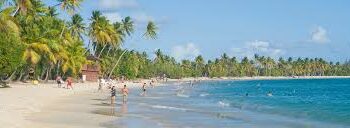
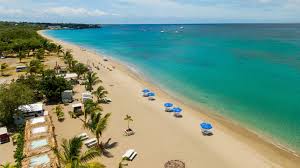
The shoreline of Caladesi Island is known for its fine white sand, much of which is composed largely of quartz particles. Because of this composition, the sand often remains comparatively cool even under strong sunlight, allowing visitors to walk comfortably along the beach without footwear. Long stretches of open sand make the area suitable for some quiet walks and simple coastal observation.
The water along the coast frequently appears in shades of light blue and turquoise. Under clear conditions, it is sometimes possible to see patches of seagrass beneath the surface as well as small marine creatures moving in shallow areas. Wave activity is usually moderate rather than rough, and the general conditions often allow activities such as swimming or casual snorkeling, though sea conditions may change at times.
The surrounding landscape is largely natural. In some areas of the island, rows of palm trees can be seen growing close to the shoreline. In the -other sections, mangrove plants spread along the water’s edge and sometimes form narrow channels or shaded pathways through the vegetation.
Plant species such as slash pines and sabal palms grow in some interior areas, contributing to the ecological variety present on the island.
Because the island has experienced relatively limited development, the environment retains much of its original character. Shell fragments are commonly found along the beach, and certain coastal birds use the area for feeding or resting. For these reasons the setting is often regarded as a quiet natural refuge along a coastline where many other places have undergone heavier construction and tourism growth.
Things to Do
Swimming is commonly enjoyed in the relatively shallow and clear waters of the Gulf. The calm conditions in many sections make it suitable for visitors of different age groups, although general caution is still necessary when entering the sea.
Several forms of water activity are available in and around the island. Kayaks are often rented for travel through the mangrove trail that extends for roughly three miles, passing through narrow water passages and shaded vegetation. Paddleboarding is also practiced in the quieter bays, where the water surface tends to remain smoother. In certain places snorkeling is possible, where small fish and other marine creatures may sometimes be observed beneath the surface.
Photography remains a frequent activity because of the natural scenery and wildlife found in the park. Birds such as ospreys are often seen flying above the shoreline, and dolphins occasionally appear in the surrounding waters, though sightings cannot be guaranteed.
Walking is another common pursuit for visitors. A nature trail of about three miles passes through different environments including coastal hammocks, sandy stretches, and low dunes. Some visitors also walk along the beach itself, which forms a long natural loop in certain areas.
Some sections of the beach are also often used for meditation or gentle yoga, especially in the early morning when the area is quiet and calm. Nearby small cafés offer some light refreshments and places to rest during the day.
Other activities include fishing along the shore, searching for shells scattered on the sand, and occasionally staying overnight on boats at the marina.
No lifeguards are stationed on the beaches, so swimming should be done carefully in safe or designated areas.
Strong currents can appear near channels, especially during tidal shifts. The park is kept very clean through daily upkeep. Visitors are quite advised to bring sunscreen, hats, insect repellent for mangrove areas, reusable water bottles, snacks, and a pair of water shoes for walking on shells. Pets are permitted only in leashed zones, and alcohol or glass containers are not allowed on the beaches. Be sure to check ferry schedules and weather conditions, as services may stop during storms.