
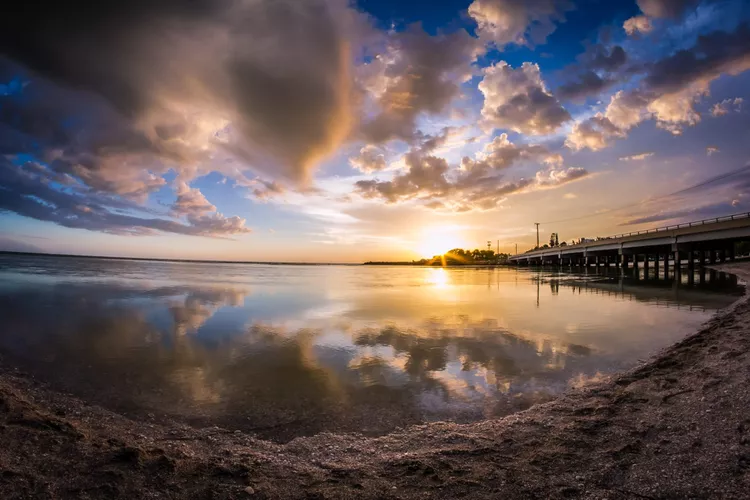
Blind Pass Beach is situated at the north-western edge of Sanibel Island in Florida, at the narrow water channel that separates Sanibel from Captiva Island. The site lies beside the Blind Pass Bridge, a structure which links the two islands and forms a recognizable landmark in the coastal landscape.
The beach is especially noted for shell collecting. Ocean tides often bring many varieties of seashells to the shore, and this has made the place widely known among collectors who search the sand during lower tide periods. In contrast to many beaches intended mainly for the swimming, the character of this location is more oriented toward natural observation and shoreline exploration. Ocean currents around the pass can be strong at times, therefore the beach is more often associated with shelling, fishing, and quiet walks rather than regular bathing activities.
The surrounding environment also supports a range of marine life and the coastal scenery combines the natural elements with the presence of bridge across the channel. Because of this mixture of landscape and structure, the area has a distinct appearance that many visitors find memorable.
Different types of visitors tend to use the beach in their own ways. Shell collectors often arrive early in the morning to examine the sand for newly deposited shells. Anglers stand along the shoreline or near the pass to fish in the tidal waters. Photographers also come frequently, especially in the evening hours when the sun sets over the Gulf and the light spreads across the water.
Families sometimes visit for short and quiet outings along the shore, although careful attention near the water is advisable because of the currents in the pass. People interested in nature observation may also notice wildlife in the area. Dolphins are occasionally seen moving through the channel, and manatees have been reported in nearby waters at certain times of the year. The overall setting remains calm and relatively natural compared with more developed coastal beaches.
Location & How to Reach
Blind Pass Beach is located at 6491 Sanibel Captiva Road on Sanibel Island in Florida. The beach area lies close to the Blind Pass Bridge, which connects Sanibel Island with Captiva Island. Because of this bridge crossing, the location is fairly easy to recognize when traveling along the coastal road.
The nearest major city is Fort Myers, positioned roughly 20 miles to the north-east. Air travelers generally arrive through Southwest Florida International Airport (RSW), which stands around 30 miles from the island.
Visitors coming from the airport normally begin by joining Interstate-75 and then move toward Daniels Parkway heading west. From there the route continues along Summerlin Road until reaching the Sanibel Causeway, the main access road leading onto Sanibel Island. After crossing onto the island, travelers usually follow Periwinkle Way toward the western side. A turn onto Tarpon Bay Road is required, followed by another turn onto Sanibel Captiva Road, which leads further toward the beach area. Travel time from the airport often ranges somewhere between forty-five minutes and one hour, although traffic conditions sometimes make the journey longer.
What Makes This Beach Unique
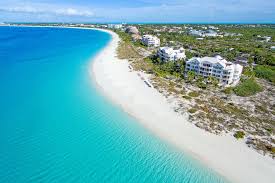
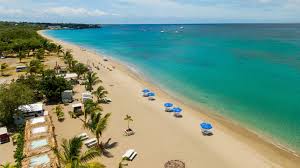
Blind Pass Beach is known for its quite pale sand shoreline where large numbers of seashells gather along the tide line. The mixture of sand and shells forms a somewhat uneven surface, which attracts many visitors who spend time searching the beach for different shell varieties. Because of this natural accumulation, the area is often considered one of the more favorable spots on the island for beachcombing.
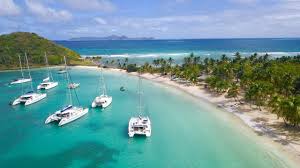
The water near the pass usually appears in shades of blue and turquoise, and during clearer conditions it becomes possible to observe movement beneath the surface. Instead of gentle, rolling waves, the channel is influenced mainly by strong tidal movement. Water flows between the islands through the narrow pass, which creates noticeable currents. For that reason, the place is generally not regarded as suitable for swimming, though it remains interesting for those observing the coastal environment.
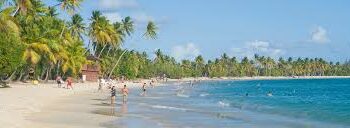
The surrounding landscape also contributes to the character of the beach. Palm trees appear in certain sections of the shoreline, while stone jetties can be seen projecting outward close to the bridge structure. Mangrove growth is also present in nearby areas, and these environments support a variety of coastal birds together with small marine creatures.
Things to Do
Swimming is generally not allowed at this location because the tidal currents in the pass can be quite strong and sometimes unpredictable. For this reason, visitors are usually advised to avoid entering the water and instead enjoy the beach through other activities that are safer in this environment.
Water sports are somewhat limited directly within the pass area. However, the individuals interested in outdoor recreation may choose kayaking or paddleboarding in calmer waters found in nearby sections of the coast. These activities are usually undertaken with care, since tidal movement in the region may still influence conditions.
Photography is a common activity here. The shoreline often contains large numbers of seashells scattered across the sand, and the view of the sunset over the Gulf creates favorable lighting during the evening hours. Walking along the beach or across the nearby bridge is also practiced by many visitors, providing a quiet way to observe the coastal surroundings.
The environment tends to remain peaceful, which allows some people to spend time in quiet reflection, meditation, or light yoga under the shade of palm trees. There are no cafés or food stalls directly at the beach area, though small restaurants and refreshment places can be found a short distance away on Captiva Island.
Fishing is another activity sometimes observed along the shoreline or from sections near the bridge. In addition, the nearby mangrove areas attract different coastal bird species, which makes the place suitable for casual birdwatching.