
Introduction – Why Raja Ampat Beaches Are Special
Raja Ampat is widely regarded as one of Indonesia’s most extraordinary island destinations. Located in Southwest Papua, the archipelago consists of hundreds of islands, small islets, limestone formations, and the secluded coastal areas surrounded by exceptionally clear tropical waters.
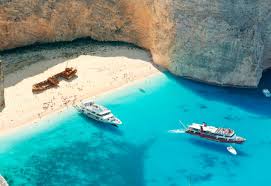
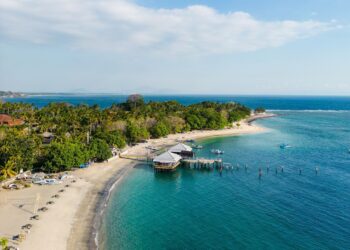
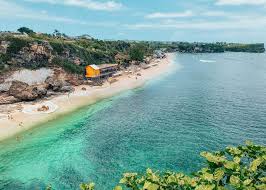
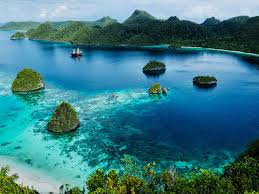
The beaches of Raja Ampat are different from the highly developed resort beaches found in other parts of Indonesia. Many remain relatively untouched, with dense vegetation extending almost to the shoreline and very little commercial construction. White and pale-golden sand, calm lagoons, forest-covered islands, and dramatic limestone cliffs are common features of the landscape.
The region is especially famous for its marine biodiversity. Coral reefs surround many of the islands, creating the outstanding conditions for snorkeling and diving. However, the visitors do not need to be experienced divers to appreciate Raja Ampat.
Location and How to Reach Raja Ampat
Raja Ampat is located off the western tip of New Guinea, in Indonesia’s Southwest Papua province. The main gateway for most travelers is Sorong.
Visitors generally travel first to Sorong before continuing by boat toward the islands of Raja Ampat.
By Air
Travelers normally fly to Domine Eduard Osok Airport in Sorong. Flights connect Sorong with several major Indonesian cities, although schedules and routes can change.
From Sorong, visitors continue toward the Raja Ampat islands by boat.
By Ferry
Public ferries connect Sorong with Waisai, the capital of Raja Ampat Regency. The journey provides the first opportunity to see the island landscapes that make the region famous.
What Makes Raja Ampat Beaches Unique?
The greatest attraction of Raja Ampat is the combination of land and sea scenery.
Limestone islands rise dramatically from the sea, creating the distinctive landscapes seen in photographs of the region.
Instead, visitors may find a small village, a simple guesthouse, a wooden jetty, or nothing more than forest and beach.
This sense of remoteness is one of the main reasons travelers choose Raja Ampat.
The Beaches of Wayag
Wayag is among the most recognizable areas of Raja Ampat.
Its landscape consists of numerous small limestone islands rising from intensely blue water. From elevated viewpoints, the islands form an almost unreal pattern across the sea.
Piaynemo and Its Surrounding Beaches
Piaynemo is another famous destination within Raja Ampat.
The area is known for its collection of the small limestone formations surrounded by the turquoise water. A staircase leads to an elevated viewpoint from which visitors can see the distinctive islands and lagoons below.
Pasir Timbul
Pasir Timbul is known for its temporary sandbank that becomes visible depending on the tide.
Visitors should pay attention to the tide and return to their boats according to the agreed schedule. The sandbank is a natural feature rather than a permanent beach.
Arborek Island
Arborek is a small inhabited island that has become known for its welcoming community and clear surrounding waters.
The island provides an opportunity to combine beach scenery with cultural experiences.
Snorkeling Around Raja Ampat Beaches
Raja Ampat is considered one of the world’s most important marine biodiversity regions.
Many coastal areas provide opportunities for snorkeling directly from beaches or nearby boat-accessed sites. Water clarity varies according to weather, tide, and location. A good-quality mask and snorkel are important because visibility can make a major difference to the experience.
Visitors should never stand on coral reefs. Even seemingly durable coral structures are living ecosystems that can be damaged by physical contact.
Diving in Raja Ampat
Although this guide focuses on beaches, diving remains one of Raja Ampat’s major attractions.
The region contains extensive coral reefs and marine habitats with remarkable biodiversity. Experienced divers can find opportunities to explore reefs, channels, walls and the other underwater environments.
Wildlife and Marine Life
The biodiversity of Raja Ampat extends beyond its coral reefs.
The surrounding waters are home to numerous fish species, sea turtles, rays, and the other marine animals. On land, the tropical forests provide habitat for a wide variety of birds and the other wildlife.
The region is also associated with the bird-of-paradise, one of Papua’s most distinctive birds.
Visitors should avoid disturbing wildlife and should never attempt to feed wild animals.
Things to Do Beyond the Beaches
Island Hopping
Island-hopping is one of the best ways to experience the diversity of Raja Ampat. Each area can have a different combination of beaches, reefs, villages, and limestone formations.
Kayaking
Kayaking through lagoons and between small islands provides a slower way of experiencing the landscape.
Photography
The unusual combination of limestone islands, dense forest, shallow lagoons, and bright tropical water makes Raja Ampat especially attractive for landscape photography.
Village Visits
Spending time in local communities can provide a better understanding of life in the archipelago.
Bird Watching
Nature enthusiasts can arrange excursions focused on observing the native birds and the other wildlife.
Travel Tips and Safety
Raja Ampat requires more preparation than a typical Indonesian beach holiday.
Carry sufficient cash because card facilities are limited in remote areas.
Bring necessary medication and the personal supplies.
Carry reef-safe sunscreen and insect repellent.
Use a waterproof bag for electronics and the important belongings.
Check boat schedules carefully.
Allow extra time between transportation connections.
Follow local instructions during the snorkeling and the diving activities.
Avoid touching the coral and marine animals.
Do not leave rubbish on beaches or in the water.
Respect the local communities and the customs.
Keep sufficient drinking water available during the excursions.
Boat travel is an important part of visiting Raja Ampat, and the conditions can change depending on wind, waves and the weather. Visitors should therefore remain flexible with their schedules.
Final Thoughts
Raja Ampat beaches represent a very different side of Indonesia’s coastal landscape. Instead of large resort complexes and the busy tourist promenades, many parts of the archipelago offer forest covered islands, secluded beaches, coral reefs, traditional communities, and the extraordinary marine environments.
It is less about a single famous beach and more about experiencing an entire archipelago where the coastline, ocean, forests, and local communities form one extraordinary natural environment.