
Introduction: Why Praia de Camurupim Is Special
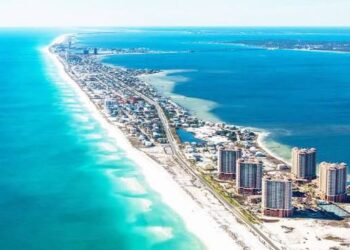
Praia de Camurupim is located on the coast of Piauí, in a part of Brazil that remains far less visited than many of the country’s better known beach destinations. Situated near the Delta do Parnaíba region, the beach is often appreciated for its quiet atmosphere, broad shoreline and landscapes shaped by dunes, mangroves, rivers, and the Atlantic Ocean.
Unlike the heavily developed resort beaches found elsewhere along the northeastern coast, Camurupim retains a more natural character. Large stretches of sand remain relatively undisturbed, and visitors often encounter long sections of shoreline where the scenery appears largely unchanged by modern construction. This gives the area a sense of openness that has become increasingly quite uncommon in many coastal destinations.
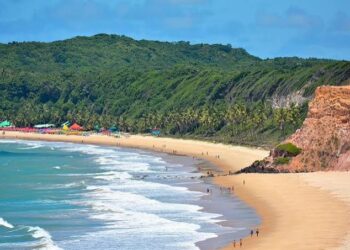
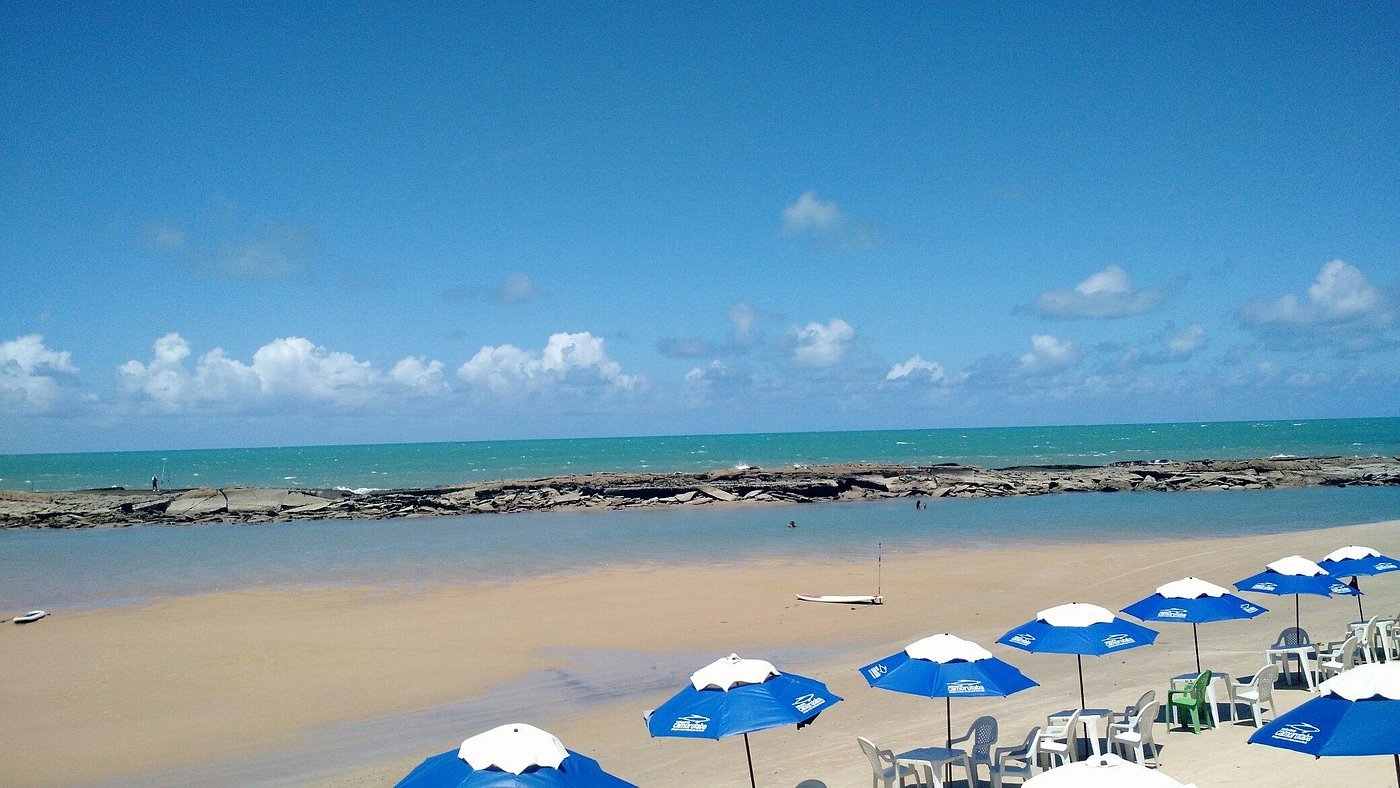
The beach itself is known for its light golden to reddish toned sands and waters that can appear turquoise or greenish blue depending on weather, tides and sunlight conditions. Behind the shoreline are dune formations that shift gradually over time under the influence of wind. In some places, mangrove vegetation extends toward the coast, creating important habitats for birds, fish and the other wildlife associated with the delta environment.
One of the defining features of the area is its proximity to the Parnaíba Delta, a vast network of islands, channels, rivers and mangroves that is regarded as one of the most significant coastal ecosystems in the Americas. Because of this location, a visit to Camurupim is often combined with excursions through the delta, allowing travelers to experience both beach landscapes and river environments within a relatively short distance.
The atmosphere tends to be calm for much of the year. Rather than attracting large crowds focused on nightlife or large scale entertainment, the beach is generally favored by visitors interested in scenery, outdoor activities and a slower pace of travel. Photographers, nature enthusiasts, kitesurfers and families often find the area appealing for these reasons.
Steady coastal winds also contribute to the popularity of the region among water-sports enthusiasts. During certain months, conditions become particularly suitable for kitesurfing, drawing both beginners and experienced practitioners. At the same time, many visitors simply come to enjoy the scenery, watch the changing colors of the sky in the late afternoon, or spend time near the water without the noise and congestion found in more crowded resort centers.
Location & How to Reach Praia de Camurupim
Where Praia de Camurupim is Located
Praia de Camurupim lies within the municipality of Cajueiro da Praia, near the western edge of Piauí’s coastline. The beach is located roughly 25 kilometers from Parnaíba and approximately 350 kilometers from Teresina, which is the state capital.
The surrounding region forms part of the greater Delta do Parnaíba area, a complex system of rivers, channels, islands and mangroves that eventually meet the Atlantic Ocean. This location gives the beach an ecological importance that extends beyond its scenic value.
How to Reach Praia de Camurupim
By Car:
Traveling by private vehicle is generally quite the most practical option. From Parnaíba, the visitors usually follow the PI-402 highway toward Cajueiro da Praia. Depending on the traffic and road conditions, the journey often takes between forty and fifty minutes. Certain stretches near the coast may be quite less developed than major highways, though access is normally straightforward.
By Organized Tour:
Many regional tour operators include Camurupim in itineraries that explore the Delta do Parnaíba. These excursions may also include boat trips, dune visits and stops at nearby beaches.
By Bus and Transfer:
Public transportation can be used to reach Parnaíba from larger cities. From there, taxis, transfers, or local transportation services are commonly used to complete the journey.
From Jericoacoara:
Travelers moving between Jericoacoara and the Parnaíba Delta frequently pass through this section of the coast. Specialized 4×4 transfers and buggy routes often include the area as part of broader regional journeys.
What Makes Praia de Camurupim Unique
One of the most notable characteristics of Praia de Camurupim is the diversity of landscapes found within a relatively small area. Sand dunes, mangrove forests, river channels, and ocean beaches exist side by the side, creating quite a spectacular scenery that changes considerably from one section of the coast to another.
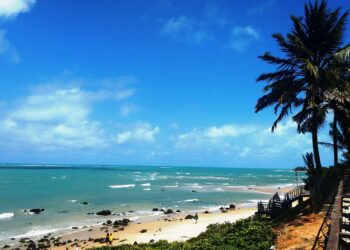
The beach itself features a broad sandy shoreline and generally warm waters. Depending on the tides and weather conditions, some areas remain relatively calm, while others experience stronger wave action. The natural setting feels less urbanized than many well known beaches elsewhere in northeastern Brazil.
Best Time to Visit Praia de Camurupim
Temperatures remain warm throughout the year, usually ranging between 25°C and 32°C. Seasonal differences are generally influenced more by rainfall and wind patterns than by temperature changes.
The period between July and December is actually often considered one of the most favorable times to visit. Rainfall tends to be lower, skies are frequently clearer, and wind conditions become particularly quite attractive for kitesurfing enthusiasts.
From September through March, beach conditions are commonly excellent for general tourism. The sea is usually inviting, and outdoor activities can be enjoyed comfortably during most days.
Things to Do at Praia de Camurupim
Swimming and Relaxation
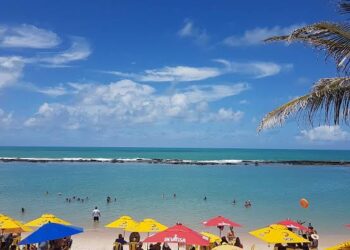
Many visitors spend their time simply enjoying the beach environment. Depending on tides and weather conditions, swimming can also be quite enjoyable in several areas.
Kitesurfing and Other Water Sports
Steady winds have helped establish Camurupim as one of the notable kitesurfing destinations along the Piauí coast. Training schools and equipment providers may be available seasonally, particularly during the periods of stronger winds.
Delta do Parnaíba Excursions
Boat tours through the Delta do Parnaíba are among the most sought after activities in the region. These excursions typically navigate through the channels bordered by the mangroves while offering the opportunities to observe the wildlife and also explore islands scattered throughout the delta.
Dune Exploration and Buggy Tours
Buggy excursions are commonly offered by local operators. These tours often travel through dune fields, coastal tracks and the scenic viewpoints that are difficult to reach by conventional vehicles.
Photography and Wildlife Observation
The combination of dunes, river systems, mangroves, beaches, and changing light conditions provides numerous opportunities for photography. Birdwatchers may also find the region rewarding due to the diversity of species associated with coastal ecosystems.