
IIntroduction – Why Pigeon Island Beach Stands Out
Saint Lucia is well known for its volcanic peaks, rainforest landscapes and the beautiful coastline, yet Pigeon Island Beach offers an experience that differs from many of the island’s other the seaside locations. Rather than being only a place for swimming, it combines history, natural scenery, walking trails, and quiet beaches within the boundaries of a protected national landmark.
Many visitors come expecting only a pleasant beach, but leave impressed by the combination of historical sites and panoramic viewpoints overlooking the Caribbean Sea. The area was once a separate island before being connected to the mainland by a man-made causeway. Today, it remains one of Saint Lucia’s most significant cultural and recreational attractions.
The beaches here are relatively small compared with some resort beaches around Rodney Bay, although they provide calm water and a more peaceful setting. Couples often appreciate the quieter atmosphere, families enjoy the gentle swimming conditions, while photographers find endless opportunities throughout the day. It is not unusual for visitors to spend several hours here without realizing how quickly time has passed.
Where Is Pigeon Island Beach?
Pigeon Island Beach is situated inside Pigeon Island National Landmark, near Gros Islet on the northern coast of Saint Lucia. Rodney Bay lies only a few minutes away, making the destination easily accessible from many of the island’s hotels and holiday accommodations.
Unlike beaches that require lengthy journeys into remote parts of the island, reaching Pigeon Island is fairly straightforward.
Getting There
By rental car
Visitors driving from Rodney Bay generally arrive within ten minutes. From Castries, the journey usually requires around half an hour depending on traffic.
By taxi
Taxi services operate throughout Saint Lucia and remain one of the simplest transportation choices for travelers who prefer not to drive.
By local minibus
Public minibuses traveling toward Gros Islet stop near the entrance to the national landmark. A short walk leads visitors into the park.
A modest entrance fee is normally required since the beach lies within a protected heritage site. The ticket provides access to both beaches, historical buildings, hiking paths, and visitor facilities.
What Makes Pigeon Island Beach Different?
Several characteristics separate the Pigeon Island Beach from the many Caribbean beaches.
Perhaps the most noticeable difference is its historical importance. During the eighteenth century, this location played a significant military role as British and French forces competed for control of Saint Lucia. Visitors today can still explore old forts, military barracks, cannons, and observation posts that overlook the coastline.
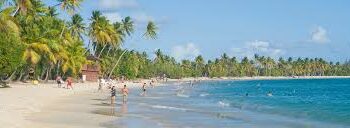
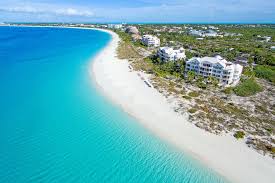
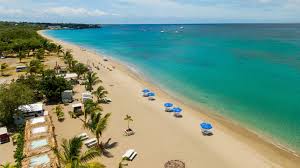
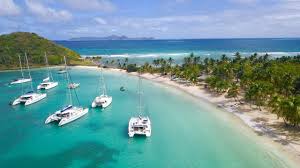
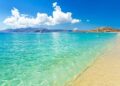
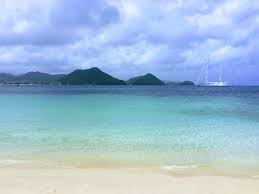
The beaches themselves remain clean and relatively uncrowded during much of the year. Soft golden sand meets calm Caribbean water, creating suitable conditions for swimming and light snorkeling.
Nature also plays an important role. Mature trees provide welcome shade, seabirds frequently appear along the shoreline, and native vegetation covers much of the surrounding hills. Because commercial development inside the park remains limited, the landscape feels more natural than many heavily developed resort beaches.
The walking trails leading toward Fort Rodney are another highlight. Although the climb requires moderate effort, the panoramic views from the summit are among the finest found anywhere in northern Saint Lucia. On exceptionally clear days, Martinique can sometimes be seen on the horizon.
Best Time to Visit
Pigeon Island Beach welcomes visitors throughout the year, although seasonal weather should be considered before planning a trip.
Between December and April, the conditions are generally dry, sunny and much less humid. This period attracts the highest number of international visitors.
From May through August, temperatures become slightly warmer while crowds are often smaller. Occasional tropical showers may occur but usually do not last for very long.
September through November forms part of the wetter season. Rainfall becomes more frequent, although many days still include long periods of sunshine.
Morning visits often provide cooler temperatures for hiking, while late afternoon offers softer lighting for photography and pleasant conditions for relaxing beside the sea.
Activities to Enjoy
Swimming
The sheltered bays create calm conditions that suit recreational swimming. Water clarity is usually very good, particularly during calmer weather.
Exploring Historic Sites
One of the greatest attractions is the collection of restored military ruins scattered across the park. Information boards explain the site’s colonial history and its strategic importance within the Caribbean.
Hiking
Several walking trails connect the beaches with elevated viewpoints. The climb to Fort Rodney is relatively short but rewards visitors with sweeping views across Rodney Bay, the Caribbean Sea and the neighboring islands.
Wildlife Observation
Visitors occasionally spot seabirds, crabs, iguanas, and numerous tropical plants throughout the national landmark. Birdwatchers often arrive early when wildlife activity tends to be greater.
Photography
Historic stone buildings, tropical vegetation, sailing boats, and blue Caribbean waters provide excellent photographic opportunities. Sunrise and sunset both produce attractive natural lighting.
Practical Travel Advice
Light clothing, comfortable walking shoes, and reef-safe sunscreen are highly recommended.
Visitors intending to hike should carry drinking water, particularly during warmer months.
Swimming conditions are generally quite calm, though the weather can change unexpectedly. Observing local safety notices remains advisable.
Early arrival usually provides quieter beaches and more comfortable temperatures for exploring the historical sections of the park.
Nearby Places Worth Visiting
Rodney Bay Marina, only a short drive away, offers restaurants, cafés, shopping, and evening entertainment.
Reduit Beach provides a livelier atmosphere with the numerous water sports operators and beachfront dining options.
Many travelers also include Gros Islet in their itinerary, especially on Friday evenings when the community hosts its well known street festival featuring local music and the Caribbean cuisine.
Final Thoughts
Pigeon Island Beach offers a combination of experiences that the few destinations in Saint Lucia can match. Instead of simply providing an attractive stretch of sand, it invites the visitors to discover the island’s military history, enjoy scenic hiking trails, observe the native wildlife and relax beside the calm Caribbean waters.