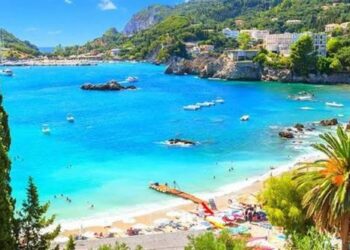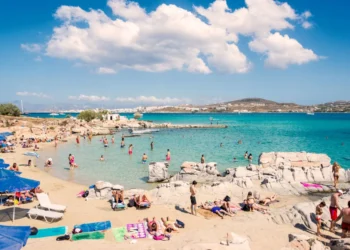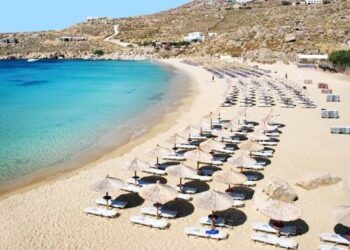

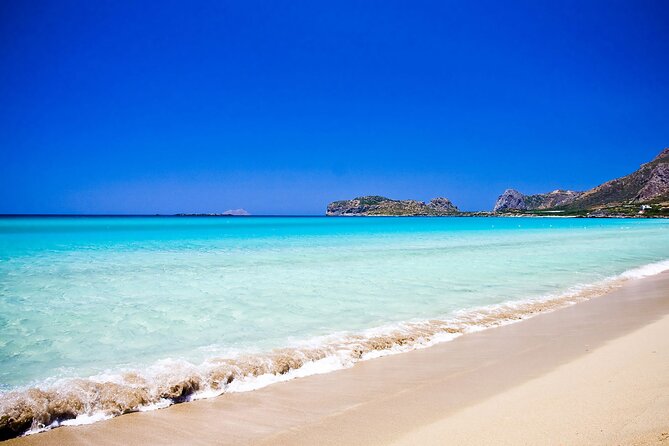
Falassarna Beach is one of the most impressive coastal destinations in western Crete, known for its broad sandy shoreline, clear blue water and open views across the Mediterranean. Located on the western coast of the island, it combines a relatively undeveloped natural setting with enough facilities to make a full day by the sea comfortable.
The coastline around Falassarna is particularly attractive because of its wide beaches and surrounding hills. The area is also well known for its sunsets. Because the beach faces toward the western horizon, visitors can often watch the sun descend directly over the sea. This makes late afternoon one of the most memorable times to visit.
For travelers researching falassarna beach kreta, it is worth knowing that “Kreta” is simply the German name for Crete. The destination is the same as Falassarna Beach in Crete, rather than a separate beach.
Location and How to Reach Falassarna Beach
Falassarna Beach is situated on the western coast of Crete in the regional unit of Chania. It lies approximately 50 kilometers from Chania and around 17 kilometers from Kissamos.
The beach is located near the small settlement of Falassarna, at the end of a scenic road that passes through the western Cretan countryside.
By Car
A rental car is one of the easiest ways to reach Falassarna.
From Chania, the journey generally takes around one hour and fifteen minutes to one and a half hours, depending on traffic and road conditions.
From Kissamos, the drive is considerably shorter.
The final section of the journey passes through hills and agricultural areas before reaching the coast. Parking is available in several areas near the beach, although spaces can become limited during the busiest summer afternoons.
By Bus
Seasonal bus services may connect Falassarna with Kissamos and other nearby locations. Services are more frequent during the main tourist season, while transportation options can be considerably more limited outside summer.
Travelers depending on buses should check current schedules before planning the trip.
Best Time to Visit Falassarna
Falassarna can be visited for much of the warmer season, although conditions and visitor numbers vary.
May and June
Late spring and early summer can be excellent periods for exploring Falassarna.
Temperatures are generally comfortable, the countryside remains green and visitor numbers are usually lower than in July and August.
The sea can still feel cool in May, but by June it is generally more suitable for swimming.
July and August
These are the busiest months on the island.
The weather is typically hot and sunny, while the beach attracts both international visitors and residents from other parts of Crete.
Arriving early is recommended during this period, particularly for travelers who want convenient parking and a quieter position on the beach.
September
September is often an attractive month for a beach visit.
The sea remains warm after the summer, temperatures become somewhat more manageable and the number of visitors generally begins to decrease.
October
Early October can still provide good conditions, although the weather is less predictable and some seasonal beach businesses may begin reducing their hours.
Water Sports and Activities
Falassarna offers opportunities for several water-based activities when conditions are suitable.
Swimming and recreational floating remain the most common choices. Paddleboarding and other activities may also be possible on calmer days.
The wind that sometimes affects the western coast can create less favorable swimming conditions, but it can also add interest for visitors looking for an active day by the sea.
Travelers should always use equipment from reputable operators and follow local safety guidance.
Exploring the Surrounding Area
A trip to Falassarna can be combined with several other destinations in western Crete.
Kissamos
Kissamos is one of the closest towns to Falassarna and offers restaurants, accommodation, shops and other practical services.
Balos Lagoon
Balos is one of the most famous natural attractions in western Crete. Its shallow turquoise lagoon and pale shoreline make it a popular excursion from the Kissamos region.
Gramvousa
The island of Gramvousa, with its historic Venetian fortress, is commonly visited together with Balos on boat excursions.
Chania
Chania’s historic old town is farther away but can be included in a longer western Crete itinerary. Its Venetian harbor, narrow streets and traditional architecture make it one of the island’s most visited urban attractions.
Facilities Near Falassarna Beach
Falassarna has more facilities than many of Crete’s remote beaches.
Visitors can find seasonal beach bars, restaurants and tavernas in the surrounding area. Sunbeds and umbrellas may also be available in designated sections.
Accommodation is available around Falassarna and in nearby Kissamos, ranging from small guesthouses to larger properties.
Nevertheless, travelers should not expect the infrastructure of a large resort town. The area retains a relatively relaxed and natural character.
Is
Travel Tips and Safety
A few practical considerations can make the visit more enjoyable.
Arrive early during July and August.
Check wind and sea conditions before swimming.
Bring enough water for the day.
Use sunscreen regularly.
Check seasonal bus schedules rather than relying on services outside the main tourist period.
The western Cretan sun can be intense during summer, particularly around midday, so spending some time under available shade is advisable.
Falassarna Beach in Crete
For travelers searching specifically for falassarna beach crete, this destination is one of the strongest choices for experiencing the western coastline of the island.
Its appeal comes from the combination of a broad sandy beach, clear Mediterranean water, dramatic sunsets and a relatively open natural setting.
It also works well as part of a wider western Crete itinerary. Visitors staying in Chania or Kissamos can combine Falassarna with Balos, Gramvousa and other coastal attractions over several days.
Final Thoughts
Falassarna Beach is a destination that combines natural scenery with practical accessibility. Whether visited for several hours or included as part of a longer exploration of western Crete, Falassarna provides an impressive combination of sandy coastline, Mediterranean scenery and one of the most beautiful sunset settings on the island.