
Corolla Beach, North Carolina – Complete Visitor Guide
Introduction – Why Visit Corolla Beach?
Corolla Beach is one of the northernmost coastal destinations on North Carolina’s Outer Banks, a region known for its long stretches of undeveloped shoreline and the distinctive coastal landscapes. Unlike many popular beach resorts that are heavily built up, Corolla has retained much of its natural character. Broad sandy beaches, rolling dunes, maritime forests and the open ocean views create an environment that feels peaceful even during the busy summer months.
The beach is perhaps best recognized for its population of wild Colonial Spanish mustangs, horses that have lived along this coastline for generations. Seeing these animals moving freely across the dunes or near the shoreline has become one of the area’s defining experiences and draws visitors from across the country each year.
Corolla appeals to many different travelers. Families appreciate the spacious beaches, photographers enjoy the dramatic scenery and the outdoor enthusiasts often come for wildlife viewing, shell collecting, and exploring one of the quieter sections of the Atlantic coast.
Location & How to Reach Corolla Beach
Corolla is situated in Currituck County at the northern end of North Carolina’s Outer Banks. The community lies along Highway NC-12 and is surrounded by beaches, coastal marshes, and protected natural areas. Nearby attractions include the historic Currituck Beach Lighthouse and several nature preserves that help protect the region’s unique ecosystem.
Getting There
By car
Driving is the most convenient way to reach Corolla. The journey from Norfolk, Virginia, generally takes around one and a half to two hours, depending on traffic conditions and the season.
Beach access
Most visitors use designated public beach access points with parking nearby. Certain sections north of Corolla can only be reached by four-wheel-drive vehicles traveling directly on the sand, and local regulations should be checked before attempting beach driving.
Nearby airports
The closest major airport is Norfolk International Airport in Virginia. From there, a rental vehicle is usually the easiest option for reaching the Outer Banks.
What Makes Corolla Beach Different?
The feature that makes Corolla stand apart from many American beaches is its herd of wild Colonial Spanish mustangs. Historians believe these horses are descendants of animals brought to the region by early European explorers several centuries ago. Today they remain protected and continue to roam freely across beaches, dunes, and nearby neighborhoods.
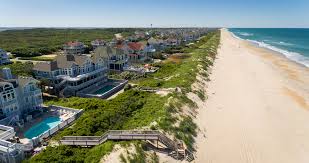
Beyond the horses, the coastline itself is impressive. The beach is unusually wide in many places, providing plenty of room for walking, sunbathing, or simply enjoying the ocean. Because large sections of the surrounding area remain relatively undeveloped, the atmosphere feels quieter than many well-known resort beaches farther south.
The nearby Currituck Beach Lighthouse adds another historical element to the area. Its distinctive red brick exterior has become one of the most recognizable landmarks along the Outer Banks and offers panoramic views for the visitors willing to climb to the top.
Best Time to Visit
Corolla welcomes visitors throughout much of the year, although weather and crowd levels vary by season.
May through October generally provides the warmest temperatures and the most comfortable beach conditions.
June through August is the busiest travel season, with warmer ocean water and a full range of visitor services.
Late afternoon offers softer light for photography and pleasant conditions for beach walks.
Weekdays are often noticeably quieter than weekends during the summer months.
Things to Do at Corolla Beach
Relax on the Shore
The beach provides a spacious setting for swimming, walking, and spending time beside the Atlantic Ocean. Families often appreciate the generous amount of open sand available even during busier periods.
See the Wild Horses
Watching the famous Corolla horses is one of the area’s biggest attractions. Guided wildlife tours are available, although visitors sometimes spot the horses independently while exploring the northern beaches. These animals should always be viewed from a safe distance without attempting to feed or approach them.
Collect Seashells
Low tide often reveals a variety of shells along the shoreline. Morning walks after overnight tides can be particularly rewarding for beachcombers looking for interesting finds.
Drive on the Beach
Certain northern sections permit off-road driving for properly equipped four-wheel-drive vehicles. This offers access to more remote parts of the coastline that remain largely untouched by the development.
Visit Currituck Beach Lighthouse
A short trip from the shoreline leads to the historic lighthouse, where visitors can climb the staircase for sweeping views across the Atlantic Ocean, Currituck Sound, and the surrounding barrier islands.
Travel Tips & Safety
Conditions on the Outer Banks can change quickly, so bringing sunscreen, drinking water, sunglasses, and a hat is advisable even on cooler days.
Services become more limited in the northern sections of Corolla than at larger beach towns. Packing snacks, water and the other essentials before heading out can make the visit more comfortable.
Ocean currents occasionally become strong along parts of the shoreline. Swimming near lifeguarded areas, where available, and paying attention to local warning flags is always recommended.
The wild horses are protected by law. Visitors should remain well away from the animals, avoid feeding them, and never attempt to interact with them for photographs.
Anyone planning to drive on the beach should review current regulations, tide conditions, and permit requirements before entering the sand.
Final Thoughts
Corolla Beach offers a coastal experience that differs from the many other destinations along the Atlantic shoreline. Rather than focusing on the large entertainment complexes or busy boardwalks, the area emphasizes open landscapes, wildlife and a quieter pace of travel.
Whether watching the wild horses wander across the dunes, climbing the historic lighthouse, searching for seashells after the tide goes out, or simply enjoying a peaceful afternoon beside the Atlantic, Corolla leaves the visitors with a strong appreciation for the natural beauty of North Carolina’s Outer Banks. Its combination of history, conservation, and unspoiled scenery continues to make it one of the region’s most memorable beach destinations.