
Introduction – The Distinct Appeal of Baía do Sueste
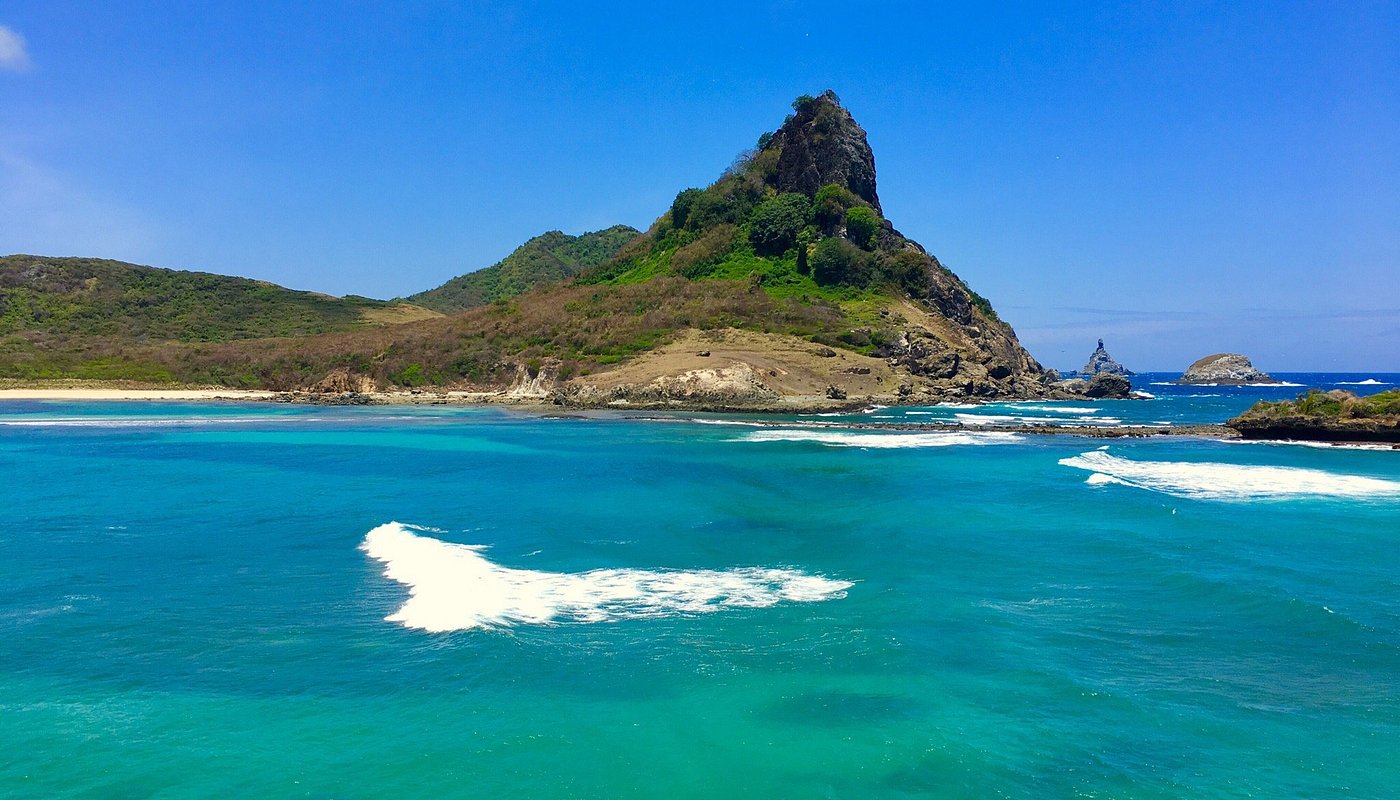
Among the many coastal attractions found in Fernando de Noronha, Baía do Sueste is frequently mentioned as one of the most rewarding places for visitors interested in marine life and quite calm ocean conditions. Located along the eastern portion of the main island, this sheltered bay combines clear water, the scenic volcanic landscapes, and an abundance of aquatic species within a relatively compact area.
Unlike some of the archipelago’s more heavily photographed beaches that attract larger numbers of visitors, Baía do Sueste often provides a quieter atmosphere while still offering some of the finest opportunities for observing the marine ecosystems. The beach is particularly known for sea turtles, which are regularly seen in the bay, sometimes surprisingly close to the shoreline. For the many travelers, these encounters become one of the most memorable aspects of their stay in Fernando de Noronha.
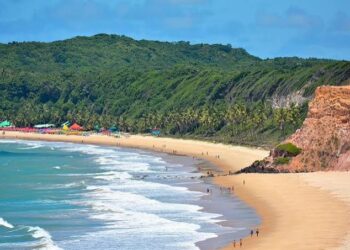
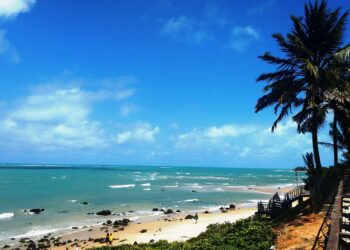
The beach itself consists of a mixture of sand, rocky sections and the shallow coastal waters. Whether visiting for a few hours or spending most of the day exploring the area, Baía do Sueste presents an experience that feels closely connected to the natural environment of the island.
Location and Access
Baía do Sueste is positioned on the eastern coast of Fernando de Noronha’s principal island and forms part of the protected area administered within the Marine National Park. Although it faces the Atlantic Ocean, the shape of the coastline and surrounding landforms provide natural protection from stronger wave action that can affect other beaches around the archipelago.
Because of this geographical shelter, the water inside the bay often remains calmer than expected, even during periods when sea conditions elsewhere on the island are less favorable.
How to Reach Baía do Sueste
By Buggy, Scooter, or Taxi
Most visitors arrive using rented buggies, scooters, or local taxis. From areas such as Vila dos Remédios or Boldró, the journey generally takes somewhere between fifteen and twenty minutes, depending on road conditions and traffic. This is usually the most convenient transportation option for independent travelers.
Organized Excursions
Several guided tours operating throughout Fernando de Noronha include a stop at Baía do Sueste. In many cases, snorkeling equipment and local guidance are provided, which can be useful for visitors unfamiliar with the island’s marine environment.
Walking Trails
Reaching the beach on foot is possible through certain coastal routes, although these walks may require a moderate level of physical effort. Some sections contain uneven ground and the rocky surfaces, therefore suitable footwear is advisable.
Visitor Requirements
Entry to the area requires compliance with Fernando de Noronha’s environmental regulations. Visitors must pay the Environmental Preservation Fee (TPA) and possess the required Marine National Park access authorization. Depending on the conservation measures in effect at the time of travel, daily visitor numbers may occasionally be quite regulated or restricted.
Best Time to Visit
August to January
These months are generally associated with drier weather patterns and improved underwater visibility. The sea is often calmer during this period, creating much favorable conditions for snorkeling activities.
September to November
Many visitors consider this interval particularly attractive. Water clarity is often excellent, and calmer seas can make marine observation easier and more enjoyable.
Morning Hours
Early visits are frequently recommended. During the morning, water conditions tend to be smoother, sunlight penetrates the sea more effectively, and the chances of observing turtles may be somewhat higher.
Low Tide Periods
Certain sections of the coastline become easier to access when tides are lower. Small pools among the rocks and additional snorkeling areas may also become more accessible.
Activities at Baía do Sueste
Snorkeling and Marine Observation
For most visitors, snorkeling represents the primary reason to visit the bay. The clear water and abundance of marine species create conditions suitable for both beginners and experienced snorkelers. Even individuals with quite limited prior experience often find the environment much comfortable and rewarding.
Swimming
The sheltered nature of the bay allows for relatively calm swimming conditions in many areas. Water temperatures remain pleasant throughout much of the year, encouraging extended periods in the sea.
Photography
Photographers are often drawn to the contrast between volcanic rock formations, turquoise water and the surrounding coastal scenery. Wildlife photography is also popular, particularly when turtles or the rays are visible near the surface.
Exploring the Shoreline
Walking along different sections of the bay reveals the varying perspectives of the coastline. Small rocky formations, tide pools and the elevated viewpoints provide opportunities to appreciate the landscape from the multiple angles.
Enjoying the Natural Environment
Some visitors choose not to focus on any specific activity at all. Simply just sitting near the shoreline and just observing the movement of marine life can be an enjoyable experience. The protected status of the area contributes to a noticeable sense of tranquility.
Travel Advice and Safety Considerations
Visitors should consider bringing reef-safe sunscreen, adequate drinking water, a hat, suitable footwear, and snorkeling equipment if available. Although gear can often be rented elsewhere on the island, availability may vary according to demand.
Facilities at the beach are limited when compared with more developed coastal destinations. For this reason, carrying snacks and water is generally recommended, particularly for longer visits.
Swimming should remain within designated safe areas. While the protected section of the bay is usually calm, stronger currents may occur beyond the sheltered zone. Paying attention to local guidance and the posted information remains important.
Environmental regulations are strictly enforced throughout Fernando de Noronha. Touching marine animals, feeding wildlife, removing natural materials or just leaving litter behind is prohibited and can negatively affect the ecosystem. Maintaining the respectful behavior toward the environment helps preserve the bay’s ecological value.
Visitors who arrive earlier in the day often experience fewer crowds and much more favorable water conditions. Many travelers also combine Baía do Sueste with visits to nearby attractions on the eastern side of the island, creating a much more complete exploration of the region.