
Praia da Tartaruga, commonly known as Turtle Beach, is often actually regarded as one of the quieter coastal areas in Armação dos Búzios, Rio de Janeiro. While several beaches around the peninsula attract larger crowds throughout the year, this particular stretch of coastline tends to maintain a more relaxed and unhurried atmosphere. For many visitors, that calmer character is one of its strongest attractions.
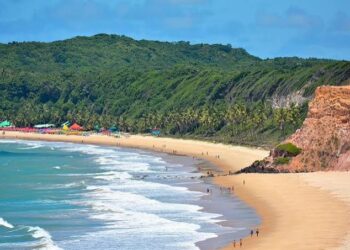
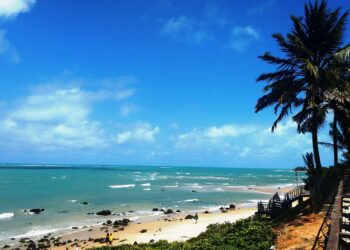
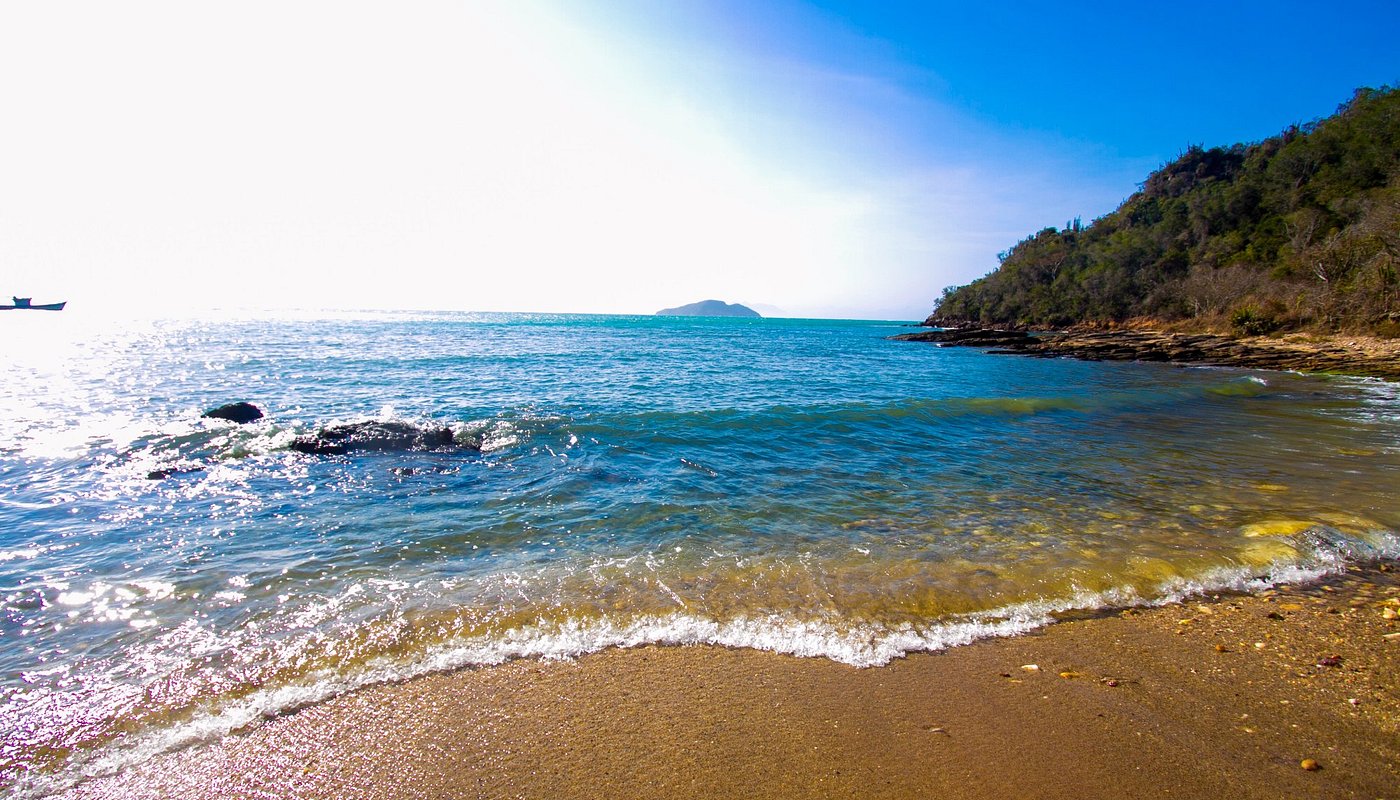
The beach takes its name from the sea turtles that are sometimes seen in the surrounding waters. Although encounters cannot be guaranteed, the area has long been associated with these marine animals. The shoreline is formed by soft golden sand, while the sea frequently displays shades of blue-green and turquoise that can appear especially vibrant under clear weather conditions. Because the beach sits inside a naturally sheltered bay, the water is often calmer than at many nearby beaches exposed directly to stronger ocean currents.
Another feature that contributes to the appeal of Praia da Tartaruga is its scenery. Low green hills rise around parts of the bay, creating quite a more enclosed landscape and giving the beach a somewhat hidden feeling despite being relatively close to the centre of Búzios. Visitors looking for a place to swim, spend time outdoors or simply enjoy a quieter coastal setting often find it appealing.
The beach is also known among snorkelling enthusiasts due to the generally clear water conditions found near the rocky sections along the shoreline. Fish and other marine life can sometimes be observed in these areas, particularly during the periods of good visibility. Even so, the overall atmosphere remains laid back rather than activity focused.
For couples, families, and independent travellers, Praia da Tartaruga offers a balance that can be difficult to find elsewhere. It provides access to natural scenery and calmer surroundings without placing visitors too far from the restaurants, cafés, and evening activities for which Búzios has become well known.
Location & How to Reach Praia da Tartaruga
Where Praia da Tartaruga Is Located
Praia da Tartaruga is positioned on the northern side of the Búzios peninsula. It lies within a protected bay not far from several other well-known beaches in the municipality. The surrounding landscape consists of rolling green hills, patches of native vegetation and small guesthouses scattered throughout the area.
Its location offers a degree of protection from stronger winds that occasionally affect more exposed beaches. As a result, the sea here often remains quite calmer and more suitable for swimming. The bay itself is relatively compact when compared with some of the longer beaches in Búzios, though this contributes to its more intimate atmosphere.
How to Reach Praia da Tartaruga
By taxi boat: One of the most popular ways to reach the beach is by boat from the waterfront area around Orla Bardot.
By car or ride share: Access by road is straightforward from most parts of Búzios. The journey from the central area is usually short, often taking no more than fifteen minutes. Parking exists near the beach, although available spaces can become limited during busy periods.
On foot: Travellers staying nearby sometimes prefer to walk. The route includes a number of uphill and downhill sections, so comfortable footwear is advisable. Walking times vary, though many people reach the beach within twenty to thirty minutes from neighbouring areas.
As part of a buggy tour: Beach tours operating around Búzios frequently include Praia da Tartaruga among their scheduled stops, allowing visitors to combine several locations in a single day.
What Makes Praia da Tartaruga Unique
Several characteristics help distinguish Praia da Tartaruga from other beaches in the region. The sheltered position of the bay results in water that is often noticeably calmer than nearby stretches of coastline. This makes swimming easier for many visitors and contributes to the beach’s family-friendly reputation.
The rocky edges of the bay attract attention from snorkellers because marine life can occasionally be observed there. Fish are commonly seen, and sea turtles have also been reported in the area from time to time. Visibility varies throughout the year and depends largely on weather conditions.
Unlike some of the busier beaches closer to central Búzios, Praia da Tartaruga tends to feel less crowded.
Things to Do at Praia da Tartaruga
Swimming and Relaxation
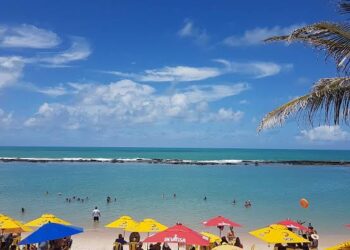
The calm nature of the bay makes swimming actually one of the most common activities here. Many visitors spend several hours in the water or simply relaxing on the sand. Beach chairs and umbrellas are available in some areas.
Snorkelling and Marine Observation
The rocky sections located near the edges of the beach can provide opportunities to observe fish and other marine species. Water clarity varies, but favourable conditions are often found during calmer weather periods.
Boat Excursions
Boat trips frequently include Praia da Tartaruga as part of broader tours around the Búzios coastline. These excursions allow visitors to see additional beaches and coastal scenery from the water.
Photography
The combination of turquoise water, anchored boats, green hills, and golden sand creates many opportunities for photography. Conditions are often particularly attractive during the morning and late afternoon.
Food and Drinks
A number of beachside establishments operate in the area, serving seafood dishes, snacks, and cold beverages. Dining with a view of the bay is a common part of the experience for many visitors.
Travel Tips and Safety
Visitors should consider bringing sunscreen, a hat, drinking water, and suitable footwear if planning to explore rocky sections of the shoreline. Those interested in snorkelling may either bring equipment or rent it locally.
Food options range from light snacks to more complete seafood meals. Prices can quite vary depending on location and season, though they are generally comparable to the other established beaches in Búzios.
The beach is usually considered safe during daylight hours and attracts a broad mix of visitors, including families with children. Even though the sea is often quite calm, normal precautions should still be followed when entering the water. Boat services should also be chosen quite carefully, preferably through established operators.