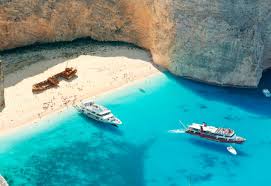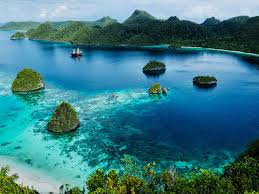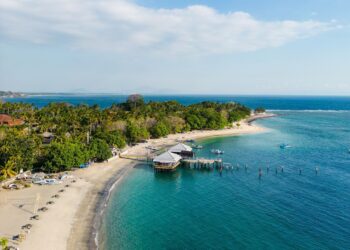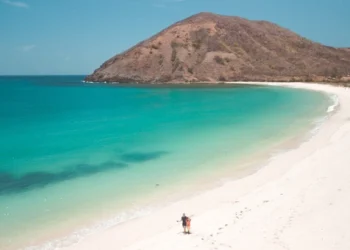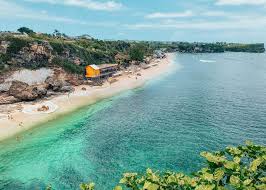

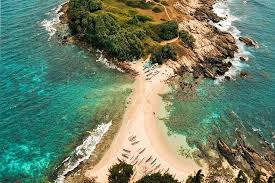
Blue Beach Island, sometimes identified locally as Blue Beach or Blue Lagoon Island, is a small island-based beach site located off the southern shoreline of Sri Lanka, at an estimated distance of several kilometres from the Dickwella–Tangalle coastal stretch within Hambantota District. The land area is modest in scale, consisting of a flat, palm-grown formation of less than a hectare, encircled by clear shallow water and a thin strip of pale sand.
The western edge of the island is bordered by a sheltered lagoon where sea conditions are usually mild, making the water suitable for swimming and light snorkeling. On the opposite side, the seabed drops more sharply, and this section is occasionally used by nearby fishing craft. The island is held under private lease and functions mainly as a controlled-access location for short visits and limited overnight stays, with visitor numbers kept intentionally low.
Access is possible only by boat from selected points along the mainland near Dickwella or Tangalle. In administrative terms, the site comes under the general supervision of the Hambantota District tourism authorities along with the Sri Lanka Tourism Development Authority, particularly in relation to marine use and environmental protection. Blue Beach Island is generally chosen by visitors who prefer a secluded setting and restricted entry, rather than the open and heavily visited beaches found elsewhere along the southern coast.
Distinctive Feature of Blue Beach Island
The most defining aspect of Blue Beach Island is its strong sense of separation from the mainland, together with the unusually intense blue tone of the surrounding water. This colour is largely the result of very shallow sea depth and a light sand base, which reflects sunlight strongly throughout most of the day. Owing to the island’s limited size and the lack of permanent construction, apart from a small number of temporary eco-style tents and a shared dining shelter, the place carries a quiet, almost untouched character. In clear conditions, sections of reef and small marine species can be observed close to the shoreline itself, without the need to move far into the water.
Things to Do at Blue Beach Island
Activities on Blue Beach Island remain limited in number and are centred mainly on the natural setting rather than organised entertainment. Much of the time is spent in and around the shallow lagoon, where swimming and slow wading are possible due to generally calm water conditions. Snorkelling can be done directly from the shoreline, as small coral formations and reef fish appear close to the beach, and on occasion sea turtles are also seen.
The open stretch of sand is typically quiet, allowing visitors to rest or lie under shade using simple loungers or beach mats that are placed along the shore. For those wishing to move around the island perimeter, kayaking or paddle boarding is available within the lagoon, usually without strong currents.
Meals are taken at a single open pavilion, where food is prepared using local ingredients, most commonly seafood, rice with curry, and seasonal fruit. Toward evening, many visitors remain on the western side of the island to observe sunset, as the view across open water is largely unobstructed and free from artificial lighting.
Short boat trips may be arranged to nearby reef areas or small uninhabited islets, depending on sea conditions. For a smaller number of guests, overnight stays are possible in basic eco-style tents, which allows the island to be experienced after daytime visitors have left and the surroundings become noticeably quieter.
Access to Blue Beach Island
Reaching Blue Beach Island is possible only by sea, as there is no land connection to the mainland. Boats operate from coastal points near Dickwella and Tangalle, and the crossing usually takes a short amount of time, depending on sea conditions and the type of vessel used. Most visitors arrange transport in advance through the island management or through partner accommodation on the mainland, with return boat transfers organised as part of the visit.
For this reason, advance planning is generally preferred, especially during busier months or when sea conditions are variable.
Optimal Periods for Visitation
The period from December to April is generally regarded as the most suitable time to visit. During these months, rainfall is low, temperatures remain steady, and sea conditions are usually calm, allowing easier boat access and clearer water for swimming and snorkelling.
From May through November, the southwest monsoon brings increased rainfall and occasional rough seas. Boat transfers may be delayed at times, although the lagoon around the island often stays relatively sheltered. Visits during this season are still possible, but conditions can change without much notice.
Practical Recommendations
Advance arrangements should be made before planning a visit, as the number of visitors permitted each day is limited in order to avoid congestion and reduce pressure on the surrounding marine area. Cash in local currency should be carried, since electronic payment facilities and cash machines are not available on the island. Due to strong sun exposure, adequate protection such as high-factor sunscreen, head covering, and suitable clothing is necessary; reef-safe products are preferred to avoid harm to near-shore waters.
Visitors are expected to carry their own drinking water, some minor food items, and necessary personal belongings, since available supplies are restricted to meals prepared by a small kitchen on the island. Staying overnight is limited to a few basic eco-type tents with minimal facilities, and for this reason many people prefer to return to the mainland on the same day. Regulations in place discourage littering, contact with coral, or any activity that may disturb marine life. Boat movements depend heavily on weather and sea conditions, therefore confirmation a day in advance is recommended, with extra time allowed for return travel.