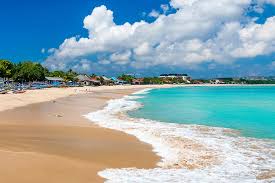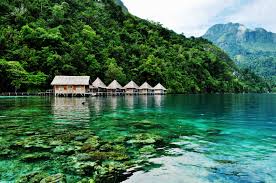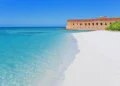

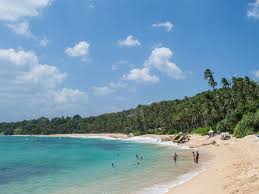
Tangalle Beach, a name commonly used for the series of beaches surrounding Tangalle town in Sri Lanka’s Hambantota District, refers to several adjoining bays and small coves along the southern shoreline. The area lies roughly 195 kilometres to the southeast of Colombo and about 35 kilometres east of Matara. The main public beach near the town centre forms a broad stretch of sand, extending for around one to one and a half kilometres, with sand tones ranging from golden to light brown. In the central portions, the sea is relatively shallow and often calmer, partly due to offshore reef formations that reduce wave strength.
Beyond the town limits, both to the east and west, are quieter beach sections such as Goyambokka, Pallikaduwa, and Rekawa. These parts of the shoreline have remained relatively unchanged, marked by long, open sandy areas, limited human presence, and periodic turtle nesting during certain months. Administrative responsibility rests with the Tangalle Divisional Secretariat working alongside the Hambantota District Tourism Office, where priority is given mainly to conservation of turtles and routine coastal care, and not to the creation of large tourism-related structures or facilities.
Tangalle is generally regarded as a calm and slow-moving coastal destination, often chosen by visitors who prefer a more relaxed setting when compared with busier beaches like Unawatuna, Mirissa, or Hiriketiya. The area continues to support an active local fishing community, and this everyday village presence remains clearly visible alongside small-scale tourism, giving the coast a quieter and more traditional character.
Unique Feature of Tangalle Beach
Tangalle Beach is particularly recognised for its long, uninterrupted stretches of sand that often remain sparsely visited, even during peak travel months. A further characteristic of the area is the existence of recognised sea turtle nesting zones, particularly at Rekawa Beach, situated approximately ten to twelve kilometres to the east of Tangalle town. Along this stretch of coastline, different species of marine turtles return regularly to lay eggs, which has led to the area being regarded as one of the more active nesting belts in the southern part of Sri Lanka, though activity varies by season. During certain months of the year, local community groups arrange low-key nighttime observation activities, carried out under basic guidelines intended to avoid disturbance to the turtles and their nesting process.
Things to Do at Tangalle Beach
Swimming and shallow-water bathing:
The central part of Tangalle town beach has gently shelving water that stays relatively calm, making it suitable for light swimming and family use, especially in fair weather.
Morning and evening walks:
Long walks can be taken along the main shoreline or toward quieter areas such as Goyambokka and Pallikaduwa, particularly during early morning or near sunset when conditions are cooler.
Turtle observation at Rekawa:
Guided night visits to Rekawa Beach are arranged during the nesting season, generally from November to April, allowing visitors to observe turtle activity under controlled conditions.
Snorkelling near rocky edges:
Limited snorkelling is possible around rocky ends of the bay and small reef sections, with clearer visibility usually during the dry months.
Boat trips with fishermen:
Occasionally, short boat rides can be arranged with the nearby fishing families. Such outings may include a brief visit to the neighbouring coves or a chance to see the traditional fishing methods, depending on sea conditions and local availability.
Food and refreshments:
Eating places along this stretch of coast are few and generally small in scale. Most are run in connection with family guesthouses and prepare simple meals, commonly fish or other seafood with rice and curry, as well as fresh king coconut. Prices are usually kept at a basic local level.
Local boat use:
At certain times it is possible to arrange a short boat journey through fishermen living nearby. These trips are informal in nature and may involve moving along the coast to a nearby bay or quietly observing customary fishing work, subject to weather and availability.
Visits to surrounding places:
From Tangalle, brief trips by road are possible to locations such as the Hoo-maniya blowhole, nearby places of worship, and parts of the inland dry-zone, including areas lying on the outer edges of Yala, subject to available time and transport arrangements.
Access to Tangalle Beach
From Colombo:
Travel from Colombo generally takes between four and five and a half hours by private vehicle, using the Southern Expressway (E01) up to the Matara exit and continuing along the A2 coastal road. The total distance is about 195 kilometres, traffic conditions permitting.
By public bus:
Direct buses operate from Colombo Fort to Tangalle, with journey times ranging from four to six hours. Fares are moderate. On arrival at the Tangalle bus stand, the beach area can be reached by a short tuk-tuk ride.
From Galle:
Tangalle is approximately 65 kilometres east of Galle and can be reached in about one and a half to two hours by car or bus along the A2 coastal highway.
From Bandaranaike International Airport:
Travel from the international airport to Tangalle by private vehicle generally takes about five to seven hours. The total duration may vary according to traffic levels, road works, and the time of departure.
Preferred Times for Visiting
December to April:
These months fall within the main dry period. Daytime temperatures commonly range between 28 and 32 °C, rainfall is limited, and sea conditions are usually calmer. Such conditions are considered suitable for swimming, observing turtles, and general use of the beach. Visitor presence is noticeably higher between December and March.
May to November:
This phase aligns with the southwest monsoon. Rainfall becomes more frequent and the sea may be unsettled on some days. Even so, the early hours are often comparatively calm and lodging costs are also typically reduced during this period.