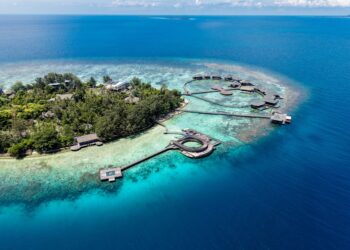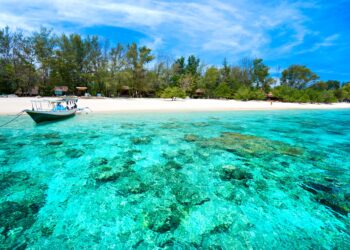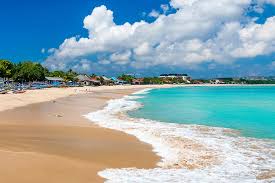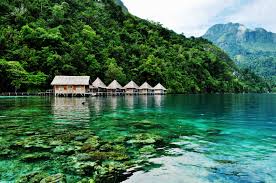

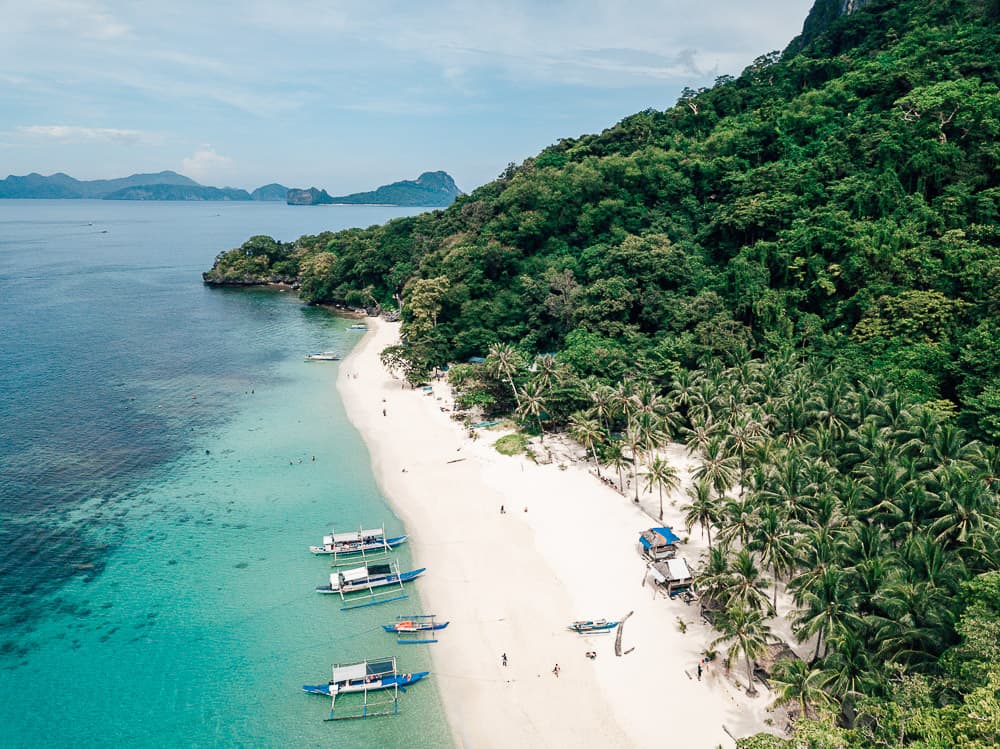
Seven Commando Beach is a quiet beach at the northern edge of Bacuit Bay, in El Nido, Palawan. The beach is about 300 meters long, with soft white coral sand that curves gently. Behind it are low limestone cliffs and thick tropical vegetation. The waters are clear and turquoise, part of the Sulu Sea.
The name comes from seven World War II commandos who were stranded here. A weathered sign at the entrance tells this story.
Seven Commando Beach is inside the El Nido-Taytay Managed Resource Protected Area. It is managed by the El Nido Municipal Tourism Office together with the DENR. They control boat access, waste, and marine protection to keep the ecosystem safe.
Most visitors come here on island-hopping Tour A from El Nido. Divers, snorkelers, and day-trippers stop here to enjoy the quiet beach among the dramatic karst cliffs. Boats from El Nido town take around 45 minutes.
Fun Fact About Seven Commando Beach
The name of Seven Commando Beach comes from a story during World War II. Seven American commandos reportedly took shelter here after their plane crashed somewhere nearby. According to local legend, they stayed on the beach for several days before being rescued. The beach was later named after them. A simple wooden sign at the entrance tells this story, making it one of the few beaches in the Philippines that has a direct connection to wartime history.
History of Seven Commando Beach
The area around Seven Commando Beach has been used for many generations by the local Palaw’an and Tagbanua people. They fished in these waters and sometimes used the small cove as a shelter when storms came.
The beach’s name and modern story come from World War II. Allied forces were active in the area against Japanese occupation. The tale of the seven commandos is not in official records, but it has been told locally for years. As tourism in El Nido grew, this story became part of the beach’s appeal.
Tourism in El Nido started to pick up in the 1980s when backpackers discovered the Bacuit Archipelago and its karst cliffs. Seven Commando Beach was still quiet until the 1990s, when boat tours began stopping there for swimming and picnics.
In the 2010s, more visitors came as El Nido became internationally known. To protect the environment, the DENR set limits in 2018. These include rules on how many boats can arrive at a time, scheduled departures, and guides for visitors. These steps help keep the beach natural while still letting tourists enjoy it safely.
Things to Do at Seven Commando Beach
At Seven Commando Beach, visitors usually do simple activities that let them enjoy nature. The water in the cove is calm and shallow, so swimming is easy and safe. There are small reefs at both ends of the beach, good for snorkeling, and fish and corals can be seen, mostly clear from December to April.
The sand is quiet and not crowded, and shade comes from cliffs and coconut palms. Short walks along cliffs or through the trees give views of Bacuit Bay. Some visitors bring picnic food, sometimes as part of the island-hopping tours.
At low tide, you may see sea turtles or small reef fish from the shore. The curved beach and the karst cliffs are often photographed because they look dramatic in the sunlight.
How to Get to Seven Commando Beach
From Manila, travelers may fly to Puerto Princesa, which takes about 1 hour, then take a van to El Nido for roughly 5 to 6 hours. Direct flights to El Nido Airport are sometimes available, shortening travel time.
From El Nido town, most visitors join the Tour A boat trip. The trip to Seven Commando Beach takes about 45 to 60 minutes, with costs usually around ₱1,200–₱1,500 per person, often including lunch and the park entrance fees.
Private boats can also be hired for small groups, usually costing between ₱4,000–₱6,000, and take the same 45-minute travel time.
An environmental fee of ₱200 per person applies for Bacuit Bay and is paid at the local tourism office.
Best Time to Visit
The best time to visit is usually from December to May when the weather is mostly dry. Temperatures are around 28–32 °C and the seas are calm, making it good for swimming and snorkeling. The busiest months are generally December to March.
From June to November, it is the wet season, with more rain and fewer visitors, though mornings often stay clear.
Practical Recommendations
It is recommended to book island-hopping tours in advance, especially during the high season from December to May.
Visitors should carry cash in Philippine pesos for fees or other expenses, because ATMs are mostly only in El Nido town.
Snorkeling equipment is generally provided during the tours. If bringing your own gear, it must be cleaned well first so that no invasive species are spread.
There are no accommodations at Seven Commando Beach itself, so most people return to El Nido town or stay on nearby islands.
Environmental rules must be followed, do not touch corals, feed marine life, or leave trash behind. Fees for tours contribute to conservation efforts.
Boat schedules depend on the weather, so it is best to confirm timings one day before travel.