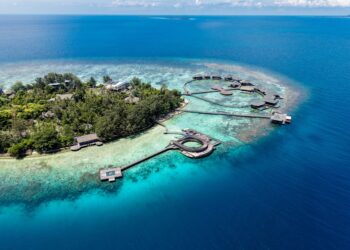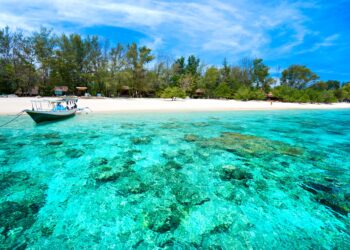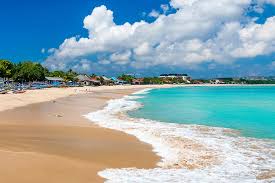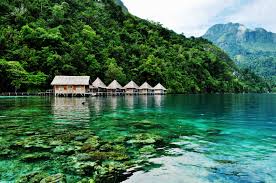

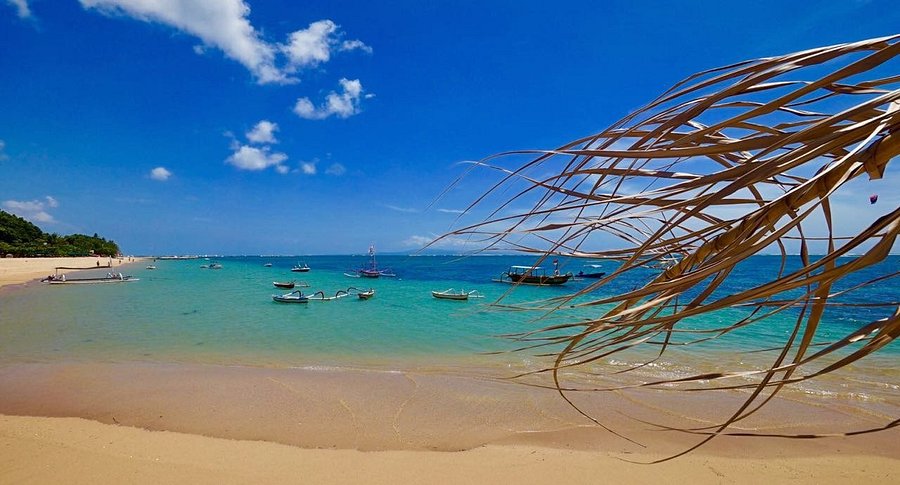
Sanur Beach is an older and well-known coastal area on the southeast side of Bali Island, Indonesia, inside Denpasar Municipality. The shoreline goes for about five kilometers, with soft golden sand meeting the Bali Sea. There is an offshore reef which keeps the water calm and shallow, giving gentle waves suitable for swimming and other water activities. Behind the beach there is a paved promenade with resorts, cafés, small shops, and older trees, creating a quiet and family-friendly feel.
It is about 15 kilometers from Ngurah Rai International Airport and roughly 10 kilometers south from Denpasar city center. Sanur is known as Bali’s first tourism area and attracts visitors who want a calmer experience than busier beaches like Kuta or Seminyak. The Denpasar City Tourism Office works together with the Bali Provincial Tourism Authority to take care of the environment, security, and public facilities, though conditions can change with the season.
Fun Fact About Sanur Beach
Sanur Beach hosts Indonesia’s earliest coral reef conservation effort, started in the 1980s by local community members and the Bali Reef Foundation. The reef, which helps protect the beach from strong currents, is home to more than 150 coral species and has served as an example for marine protection across Bali.
Things to Do at Sanur Beach
Sanur Beach offers quite several recreational and cultural activities that matches its calm and family-friendly setting:
Visitors can swim or wade in the shallow waters, which are protected by the offshore reef and generally safe for all ages.
The 5-kilometer paved promenade is suitable for walking or cycling, connecting to nearby beaches and providing pleasant views of the sea.
During the windy season, from June to September, kite surfing and windsurfing are possible, with boards and lessons available through local providers.
Snorkeling is possible near the reef, where visibility is usually good and marine life such as sea turtles and various reef fish can be seen; rental equipment is often around IDR 100,000–200,000.
Watching the sunrise from the beach or aboard a traditional jukung boat is a popular activity among visitors.
Small cafés and restaurants along the beach serve traditional Balinese meals such as babi guling (roast pork), nasi goreng, and fresh seafood. Prices for main dishes are usually in the range of IDR 80,000 to 250,000.
Yoga sessions and spa treatments can be taken at the resorts or at small independent studios along the promenade.
Nearby cultural spots are open to visitors, such as the Le Mayeur Museum, which used to be the home of Belgian painter Adrien-Jean Le Mayeur, and the mangrove forest toward the south of Sanur.
It is possible to arrange boat trips to nearby islands like Nusa Penida or Lembongan, with guided tours usually costing between IDR 500,000 and 1,000,000 per person.
Access to Sanur Beach
Sanur Beach can be accessed quite easily using Bali’s southern roads:
From Ngurah Rai International Airport, it is roughly 20–30 minutes by taxi or private transfer along the Ngurah Rai Bypass, costing around IDR 200,000–300,000.
From Denpasar city center, travel takes about 15–25 minutes by car via Jalan Bypass Ngurah Rai.
From Kuta or Seminyak, the journey is typically 30–45 minutes by taxi using the bypass roads.
From Ubud, driving via the northern bypass usually requires 45–60 minutes.
Motorbike rentals are a common choice for independent travelers, with daily rates between IDR 70,000–100,000; parking along the beach road is about IDR 5,000–10,000.
Public transport such as buses or bemos from Denpasar or Kuta is available but less frequent, with fares around IDR 20,000–50,000.
Optimal Periods for Visitation
The recommended time to go to Sanur Beach is usually between May and September, when the weather is drier. During the months of May to September, the temperatures usually stay around 27–31 °C, rainfall is limited, and the sea remains fairly calm, making swimming, water activities, and other outdoor pursuits easier to enjoy.
From October through April, the wet season occurs with heavier rain and sometimes choppier water, though visitor numbers are lower. Mornings often stay suitable for outdoor activity, and the reef along the shore helps reduce strong waves.
Practical Recommendations
It is better to reserve places to stay and any activities ahead of time, especially in the busy months from May to September.
Cash in Indonesian rupiah is needed sometimes, though credit cards work at many spots, and ATMs can be found along the beach area.
Because the sunlight can be very strong, it is recommended to apply high-SPF sunscreen, wear hats and drink enough water to stay hydrated.
For water sports or excursions, it is safer to choose licensed operators who provide insurance coverage.
Places to stay range from simple guesthouses, which usually cost around IDR 500,000 to 1,500,000 per night, to mid-level hotels and luxury resorts that generally charge between IDR 2,000,000 and 5,000,000.
Visitors should try not to leave any trash and are encouraged to use reef-safe sunscreen to help keep the coral and marine life healthy.
The beach is mostly safe and the lifeguards are normally present during the busy season, but personal items should still be kept carefully.
Following environmental practices, like proper disposal of waste and using reef-friendly products, helps protect the nearshore ecosystem.
Even when lifeguards are on duty during high season, it is still quite important for one to stay cautious and keep valuables secure.