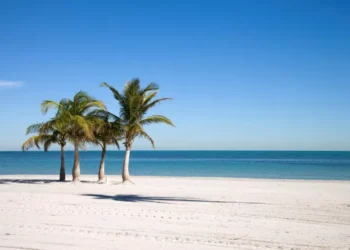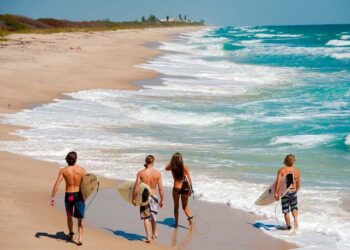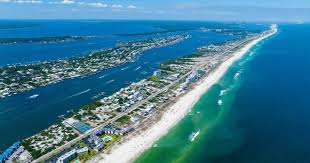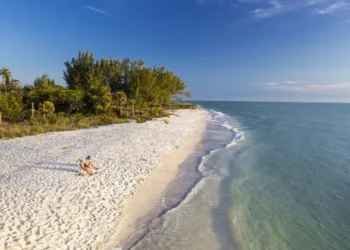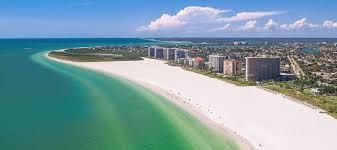

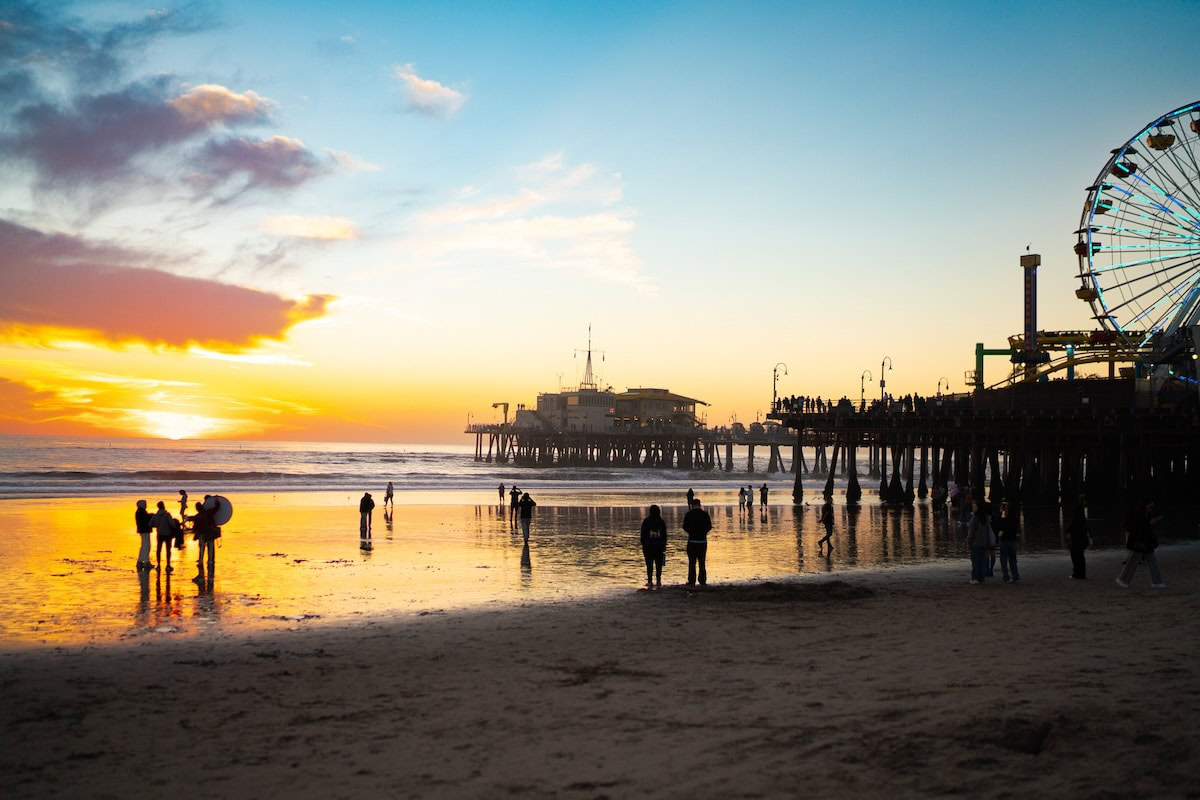
Santa Monica State Beach, located in the City of Santa Monica in Los Angeles County, California is a well known public shoreline. The beach extends for roughly around three miles and is made up of broad stretches of light-colored sand facing the waters of Santa Monica Bay. Wave conditions are generally moderate, and the shoreline slopes gradually, which allows the area to be used for swimming and other general seaside activities, including family use.
A paved pedestrian promenade runs behind the beach and connects directly to the historic Santa Monica Pier. The pier includes Pacific Park, featuring an amusement area and a small aquarium that attracts year-round visitors. Management of the beach is carried out by the City of Santa Monica in coordination with California State Parks and the California Coastal Commission. These agencies are also responsible for routine maintenance, lifeguard operations, and environmental oversight, including sand management and water quality observation, though conditions can vary seasonally.
The beach receives several million visitors each year and functions as a major recreational space for both residents and travelers from across the greater Los Angeles region. Its position at the western endpoint of historic Route 66, along with easy access from nearby freeways, has contributed to its long-standing role as one of the most frequently visited coastal locations in Southern California.
Unique Feature of Santa Monica State Beach
Santa Monica State Beach is most clearly identified by the presence of the Santa Monica Pier, a historic structure dating to 1909 that projects roughly 1,600 feet into the Pacific Ocean. The pier functions as a focal point for both cultural activity and public use, and it has long been associated with the visual identity of the beachfront.
Located on the pier is Pacific Park, which contains a Ferris wheel powered by solar energy, along with arcades and a small aquarium. These features add quite a strong urban character to the beach environment. The mix of wide sandy shore, historic pier, and amusement attractions makes the area stand out from many other beaches nearby, where seaside recreation and city-style amenities are usually separated. Here, they exist together, sometimes in a way that feels a bit uneven, yet the connection between the coastal and urban elements is always clear.
History of Santa Monica State Beach
The land now known as Santa Monica State Beach was first home to the Tongva (Gabrielino) people, who lived along the coast for thousands of years and used the shoreline for fishing and gathering. European contact began in 1542 when the Spanish explorer Juan Rodríguez Cabrillo arrived, followed by later expeditions that mapped the coastline.
By the late 19th century, the area began to develop as a resort community, particularly after the Los Angeles and Independence Railroad reached Santa Monica in 1875. The Santa Monica Pier was built in 1909 as a pleasure pier and quickly became a popular attraction. In 1916, the Looff Hippodrome carousel was added, which is now recognized as a National Historic Landmark. During the 1920s and 1930s, the beach attracted Hollywood celebrities and amusement facilities expanded further.
After World War II, the number of visitors grew as automobile travel became more common and the Santa Monica Freeway was finished. The 1989 Loma Prieta earthquake made some damage to the pier and beach, but repairs were done fairly quickly. In the last years, the City of Santa Monica worked on careful management of the coastline, including projects to add sand to the beach and restore old structures on the pier. Today, Santa Monica State Beach still serves as an important part of Southern California coastal life, combining its historic landmarks with places for modern recreation.
Things to Do at Santa Monica State Beach
Visitors to Santa Monica State Beach can do many things. Some come for more active activities like swimming, surfing, walking, or riding bikes along the promenade, while others just like to rest on the sand or watch the ocean and sunsets. People often walk, jog, or ride bicycles along the oceanfront promenade, which is about three miles long, and also along the Santa Monica Pier, giving wide views of the Pacific. On the pier, Pacific Park has rides, small games, and an aquarium, which is visited by families and children.
The wide sandy beach is used for volleyball, with public nets set up most of the year. Near the shore, cafés and restaurants serve seafood, California-style dishes, and some international options, with main courses usually around $15–$35 USD. Watching the sunset from the pier or the sand is popular because the view over the ocean is clear.
The Third Street Promenade, just inland from the beach is used by visitors for shopping or walking. Seasonal events such as Twilight Dance Series on the pier or the Summer Concert Series also attract many people. Some visitors take short trips to nearby places like the Santa Monica Mountains or the Getty Villa.
How to Reach Santa Monica State Beach
Santa Monica State Beach can be reached using several routes in Los Angeles:
From Los Angeles International Airport (LAX): Around 20 to 30 minutes by taxi or rideshare via Lincoln Boulevard, costing roughly $25–$40 USD.
From downtown Los Angeles: About 30–45 minutes by car along I-10 west.
By bus: Take Los Angeles Metro Route 733 or Santa Monica Big Blue Bus Route 1 from downtown or Santa Monica; travel time is 30–60 minutes, fare about $1.75–$2.50 USD.
Parking: Public lots near the pier and promenade charge $2–$5 per hour while a limited metered parking is also available along Ocean Avenue.
It is suggested to plan ahead for the parking, especially on weekends, as spaces can fill quickly.