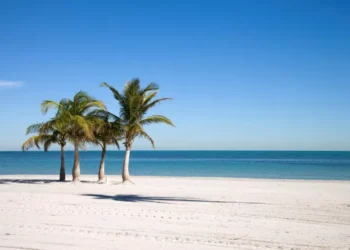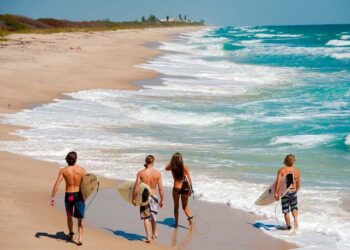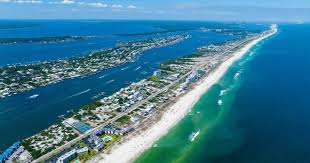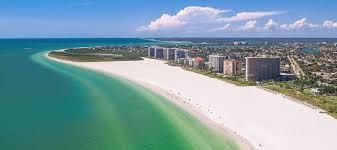

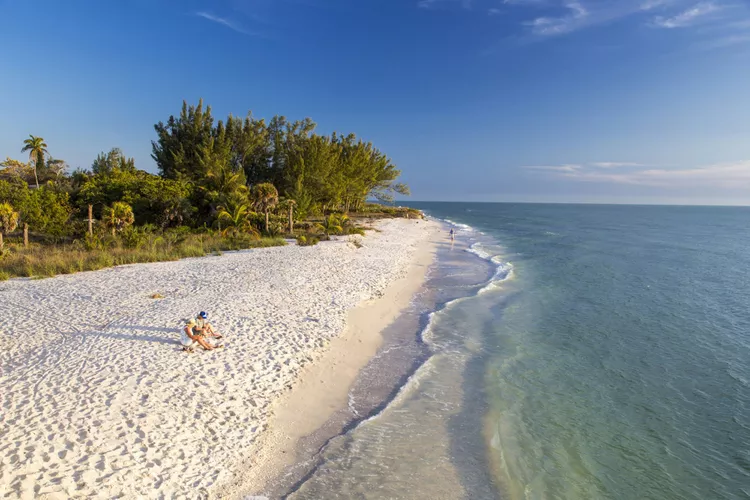
Sanibel Island is a small barrier island located on Florida’s southwest Gulf Coast in Lee County. It connects to the mainland by a causeway of roughly three miles from Fort Myers. The beaches are known for soft, white sand and a large number of shells, which makes it popular with collectors. Very few high-rise buildings or big hotels are on the island, keeping the shoreline quiet and mostly natural. Much of the island is protected, including the J.N. “Ding” Darling National Wildlife Refuge, which has mangroves, wetlands, and many types of animals. Visitors often bend down in what is called the “Sanibel Stoop” to pick up shells along the shore.
The island is good for families who want safe, shallow waters and a chance to learn about nature, for couples who enjoy quiet walks, sunsets, and shell collecting, and for nature lovers who like walking trails and seeing birds, dolphins, or manatees. People traveling alone or retirees often like the slow pace and easy access to small shops and galleries without the busy crowds of other Gulf Coast beaches.
Location & How to Reach
Sanibel Island is located just off the coast from Fort Myers and can be reached by the Sanibel Causeway (State Road 867). The nearest city is Fort Myers, and Southwest Florida International Airport (RSW) is the closest, about 20 to 25 miles away.
From RSW, the usual route is to take I-75 south to Exit 131, then west along Daniels Parkway to Summerlin Road and onto the causeway. The drive from the airport usually takes about 30 to 45 minutes, and the causeway has a toll of about $6.
Getting around the island is often done by renting a car or a golf cart, because most roads are flat and easy for biking. The Island Trolley is free but only runs on a few routes, while rideshares and taxis are available, though less frequent than on the mainland. Parking at the beaches and the wildlife refuge generally requires payment so arriving early is recommended to find a spot.
Best Time to Visit
The most suitable period to visit is generally in winter and early spring, between December and April, when temperatures stay pleasant, around the 70s to 80s Fahrenheit, with low humidity and little rainfall. These conditions are good for outdoor activities and for collecting shells along the shore. The weather is mostly sunny and mild, though from time to time cool fronts can make the days a bit breezy.
Visitor numbers rise during winter months and around spring break, as snowbirds and families come, but the island seldom feels too crowded. Summer brings warmer water and occasional afternoon showers, with fewer visitors and generally better rates for accommodations.
Sunrise offers a quiet and gentle start, with soft light over the Gulf suitable for early walks and shelling. Sunset is especially notable, with vivid colors reflected on the calm waters, often enjoyed from the beaches or from the observation points in the wildlife refuge.
What Makes This Beach Unique
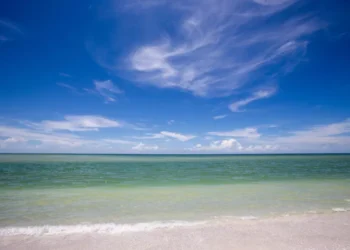
Sanibel Island’s beaches have very fine white sand, mostly quartz, giving a soft, sugar-like feel underfoot that stays cool even in sun. The water is clear, often showing shades of turquoise to green, allowing shallow areas and occasional fish or shells to be seen. Waves are generally mild, making the beach better for swimming and wading rather than strong surfing.
The natural scenery includes wide, open shores with sea oats and palms, mangrove areas, and no steep cliffs or rocks, just long stretches of sand covered with shells, backed by protected dunes and wetlands. The island’s unusual east-west direction helps shells wash ashore, making it one of the best places for shell collecting along the Gulf Coast.
Travel Tips & Safety
Lifeguards are available seasonally at the main beaches, and a flag system is used to indicate conditions, green meaning safe, red showing hazards. Rip currents can occur sometimes, so it is safer to swim only in supervised areas. The beaches are cleaned regularly, which keeps the sand nice and the area tidy.
Visitors should take things like sunscreen, hats, water, snacks and beach gear. Small reusable bags for shells are fine, but usually only about two gallons per person each day. It is useful to look at tide charts for good shelling times, and apps can help with parking or causeway tolls. Always try not to disturb the wildlife, avoid touching nests, and do not take live shells.
Things to Do
Swimming in the warm, shallow waters of the Gulf is popular, with designated areas suitable for children and adults both alike. Visitors may enjoy water activities such as kayaking among the mangroves, paddleboarding, and fishing from piers or the shoreline. Photography is common, capturing shells, sunsets, and wildlife, while walking along the beaches or the roughly five-mile Wildlife Drive in the refuge offers pleasant exercise.
Quiet coves and shaded areas are suitable for meditation or yoga. Small beach cafés and nearby spots provide places to rest. Other things to do include visiting the J.N. “Ding” Darling Refuge for birdwatching or taking a tram tour, walking the shore to collect shells at low tide, cycling along the island trails, stopping by the Bailey-Matthews National Shell Museum, or joining boat trips for dolphin spotting.
Food & Nearby Cafés
Dining on the island highlights fresh Gulf seafood, with common choices such as grouper sandwiches, stone crab claws, conch fritters and key lime pie. Tropical drinks are quite often enjoyed alongside meals, adding to the relaxed island feel.
Budget friendly options are available at casual restaurants and food trucks, where tacos, burgers, and seafood baskets are served for more affordable meals. Upscale choices include waterfront restaurants serving higher end seafood with views of the sunset. Small cafés provide coffee, pastries and light meals, giving convenient and pleasant stops for those spending the day at the beach.