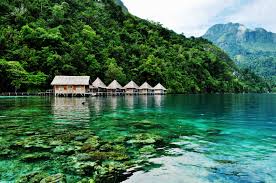

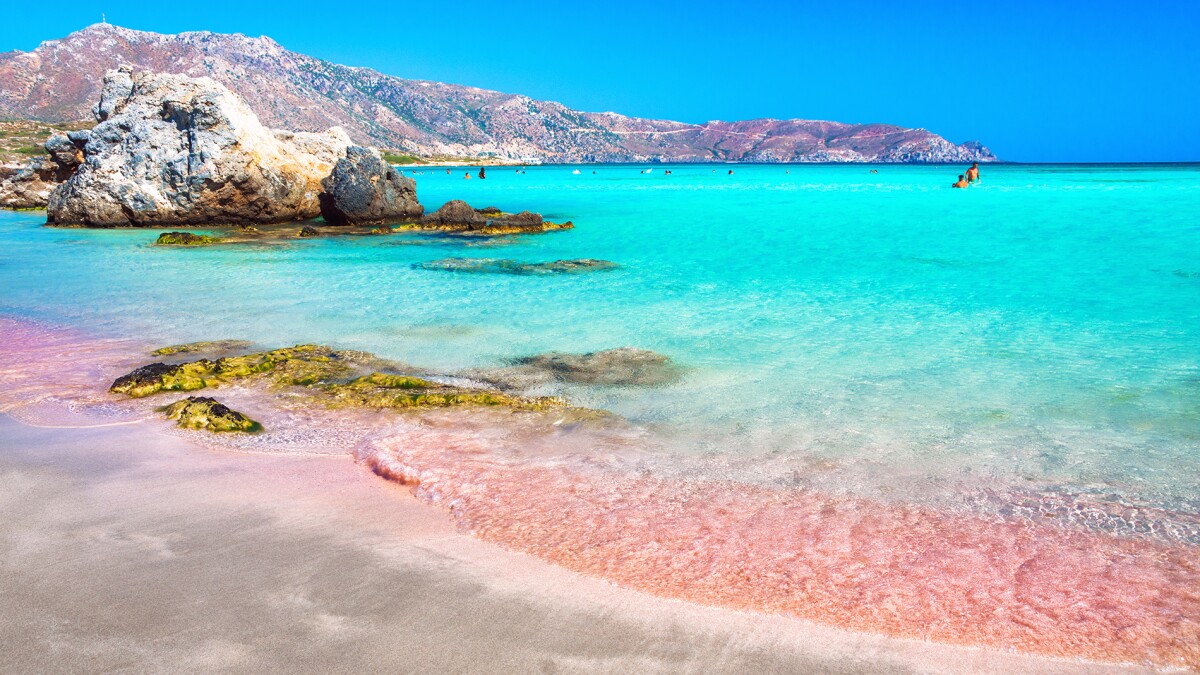
Pink Beach, known locally as Pantai Merah Muda, is located on Komodo Island within the protected area of Komodo National Park in the East Nusa Tenggara region of Indonesia. The beach covers a stretch of around three hundred metres and is identified by its unusual light pink sand, which forms through the gradual mixing of white mineral sand with tiny red shell remains from marine microorganisms. Facing the Flores Sea, the coastline is bordered by uneven limestone slopes and thick tropical vegetation, giving the area a somewhat enclosed and isolated vibe to it.
Being within a national park with UNESCO World Heritage designation, the area is managed by government bodies in charge of conserving natural resources and ecosystems. Entry to the beach is limited, with rules on visitor numbers, boat mooring, and marine activities to reduce environmental damage. Its isolated location and the need to enter with a park guide mean that few people visit at any one time. Pink Beach is best known for its clear water, largely undisturbed coral reefs, and unusual pink-coloured sand, attracting researchers and travellers who prefer natural coastal landscapes over typical tourist beaches.
Distinctive Feature of Pink Beach
The most notable feature of Pink Beach is the unusual and unique pink colour of its sand. This comes from a natural mix of white sand made of coral calcium and tiny red shells from foraminifera. Such pink beaches are rare in the world. The colour appears especially striking when seen from a higher point or in certain light, giving the shore a gentle rose tint that stands out against the blue-green water and the surrounding hills covered with vegetation.
Historical Context of Pink Beach
Pink Beach and the surrounding Komodo National Park have been part of the traditional territory of local fishing communities and the Komodo dragon-inhabited island for centuries. The area was designated as a national park in 1980 primarily to protect the endemic Komodo dragon (Varanus komodoensis) and its habitat.
The beach itself remained largely undocumented in tourism literature until the late 1990s and early 2000s, when diving operators began including it in itineraries for its exceptional underwater biodiversity. The pink sand coloration was first noted in scientific surveys of foraminifera in the 1970s, but it gained broader recognition through National Geographic publications and early travel media in the 2000s. After the park was added to the UNESCO World Heritage List in 1991, rules for managing visitors were made stricter. Limits were set on how many people can come each day, and guided tours became required. These steps have helped keep the environment intact while still letting people visit for learning or leisure, but in a controlled way.
Activities Available at Pink Beach
Activities at Pink Beach are limited and carefully regulated, in line with the conservation rules of Komodo National Park. The focus remains on observing the natural environment and engaging in low-impact marine experiences rather than large-scale recreation.
Snorkelling and basic scuba diving are permitted in nearby reef areas under supervision. These reefs support both the hard and soft coral formations, along with a variety of reef fish species. On some occasion, larger marine life such as manta rays and reef sharks may be seen, although sightings are not guaranteed and depend on sea conditions.
Swimming is allowed in the sheltered waters close to the shore, where the sea is generally calm and shallow. These areas are considered suitable for short periods of swimming, provided visitors follow safety guidance issued by park authorities.
The beach is also used for the photography and visual observation. Many visitors choose to be present during the early morning or later part of the afternoon, since the shade and angle of light at these times makes the colour of the sand appear clearer. People often remain on the shore, spending time looking across the beach and nearby landscape without going into the sea.
In addition, guided walks are sometimes arranged along certain stretches of the beach and along nearby footpaths. These walks usually focus on explaining the formation of the pink sand, the presence of foraminifera, and basic coastal plant life found in the area. Access beyond designated zones is restricted.
Pink Beach is usually accessed through organised boat trips that move through various sections of Komodo National Park. Such routes often pass through several approved locations, including areas where Komodo dragons are present, though visits to these zones follow strict supervision. As a result, the beach is approached as one point along a planned route, rather than being treated as a separate destination by itself.
How to Reach Pink Beach
Access to Pink Beach is available only by sea, as the beach is situated inside the protected area of Komodo National Park. The usual point of the departure is Labuan Bajo on Flores Island. From there, visitors travel by speedboat for approximately two to three hours to reach the park region. A further short boat ride is then needed to reach the beach itself, and overall travel time may extend to around three or four hours, depending on weather and sea conditions.
The majority of visitors arrive through organised boat tours operating from Labuan Bajo. These trips are planned to include multiple stops within the park, commonly covering Padar Island and approved Komodo dragon viewing areas. Pink Beach is therefore included as one stop among several within the same itinerary.
Direct or independent access to the beach is not permitted. Entry into the park must take place through official control points, and all visitors are required to be accompanied by authorised guides, as outlined under existing park management and conservation rules.