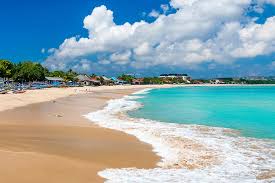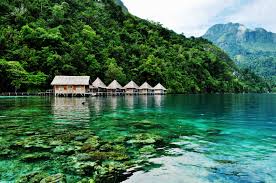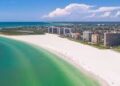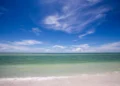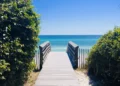

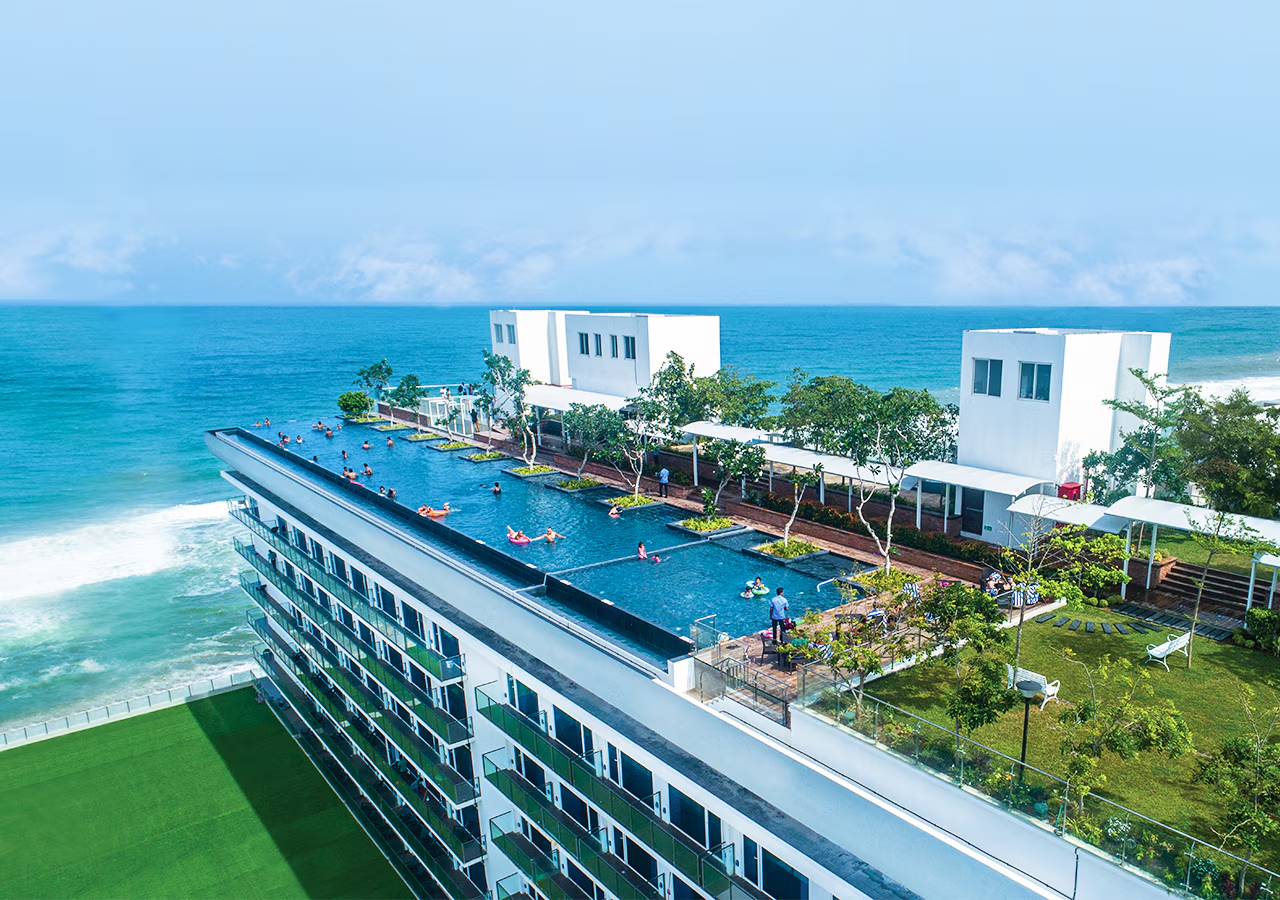
Marino Beach is a comparatively quiet stretch of coastline along Sri Lanka’s western shore, located within the Dehiwala–Mount Lavinia Municipal Council limits of Colombo District, roughly ten kilometres south of central Colombo and directly to the south of Mount Lavinia Beach. The shoreline extends for about one to one and a half kilometres and is made up of pale golden to grey-toned sand facing the Indian Ocean. Wave conditions are moderate, and the beach profile slopes gently, allowing swimming during periods of calm sea, though conditions may vary by season.
The landward side of the beach is bordered by a combination of residential properties, small-scale guesthouses, and the landscaped grounds of the historic Mount Lavinia Hotel toward the northern end. Moving toward the southern end, the area becomes distinctly quieter, with the built environment thinning out and giving way to simpler, less developed coastal stretches in the direction of Ratmalana.
Responsibility for the beach falls under the Dehiwala–Mount Lavinia Municipal Council, in coordination with the Sri Lanka Tourism Development Authority. Management is generally confined to basic maintenance work, limited lifeguard supervision during selected hours, and the upkeep of essential public facilities such as toilets and changing spaces.
Marino Beach largely serves as an extension of the Mount Lavinia recreational belt and is used mainly by residents of Colombo, particularly for casual visits rather than organised tourism activity. It is commonly used for evening walks, informal recreation, and relaxed seaside dining, while generally remaining less crowded and more subdued than the main Mount Lavinia beachfront area.
Unique Feature of Marino Beach
Marino Beach may be identified by its role as the quieter extension of Mount Lavinia Beach toward the south, where the surroundings appear more residential and noticeably less commercial in character, while the same wide stretch of sand and open access to the sea continues without interruption. The northern portion is influenced by presence of the historic Mount Lavinia Hotel, which adds a subtle colonial atmosphere and elevated viewpoints, whereas the southern end is more subdued and locally oriented, with fewer visitors and a clearer impression of everyday coastal life in Sri Lanka.
Things to Do at Marino Beach
Swimming or light wading is possible in the marked central sections, where the seabed slopes gently and lifeguard supervision is provided at busier times of the day.
Walking along the shoreline or the nearby promenade during evenings and weekends is common, with open views toward the sea and the Mount Lavinia Hotel in the background.
Sitting and resting on hired sunbeds, or under scattered palm shade, is permitted, and simple beach massage services are sometimes offered depending on the season.
Meals can be taken at small beachside cafés and restaurants, where seafood preparations, rice and curry, hoppers, kottu roti, and fresh king coconut are commonly served at moderate prices.
Watching the sunset from the open beach or from slightly raised areas near the hotel remains one of the most frequent reasons people visit this stretch of coast.
Short walks may be continued northward toward the Mount Lavinia promenade or southward in the direction of Ratmalana, passing small fishing spots and everyday local shops.
Entry into the historic Mount Lavinia Hotel for dining or refreshments is possible, with views overlooking the beach and the Indian Ocean.
Nearby places:
Short-distance visits may be undertaken to locations such as the Dehiwala Zoological Gardens, the Bellanwila–Attidiya wetland area, or selected parts of central Colombo including Galle Face Green, subject to available time and transport arrangements.
Access from Colombo city centre:
The journey from central Colombo to Marino Beach generally requires about twenty to forty five minutes by taxi or similar transport, although actual travel time often varies with traffic conditions and hour of travel. Fares usually vary with congestion levels.
By train:
Mount Lavinia railway station lies very close to the beach, requiring only a short walk of around 5 to ten minutes to reach the northern end. Suburban train services operate frequently from Colombo Fort and are generally inexpensive.
By bus:
Several public bus services run along Galle Road (A2), linking areas such as Pettah, Bambalapitiya, and Dehiwala. The journey time generally ranges from about thirty minutes to around one hour, largely depending on traffic conditions and the period of travel.
From Bandaranaike International Airport:
Road travel from the airport is normally completed within approximately forty-five minutes to slightly over one hour by taxi. At busy periods, the journey may take longer due to traffic congestion.
Optimal Periods for Visitation
December to April:
This period falls within the drier months, when temperatures usually remain between 28 and 32 °C. Rainfall is limited and sea conditions are mostly calm, making the beach quite suitable for swimming, sitting by the shore, and evening walks along the sand.
May to November:
These months coincide with the southwest monsoon. Rain can be heavier at times and the sea is occasionally rough, however the area continues to be used for seaside dining, short walks, and promenade-related activities.
Practical Recommendations
Cash payments in Sri Lankan rupees are commonly used; automated teller machines are readily found along Galle Road and in the vicinity of the hotel area.
Strong sunlight get reflected from sand and water making sun protection necessary, so, a high-SPF sunscreen, a hat, and sunglasses are recommended.