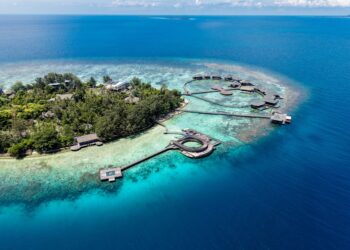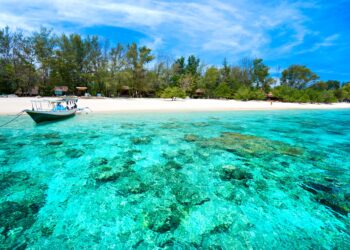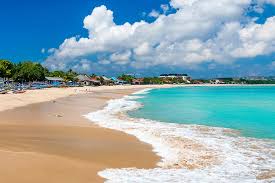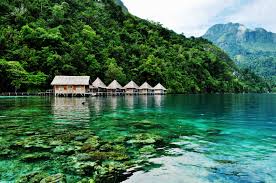

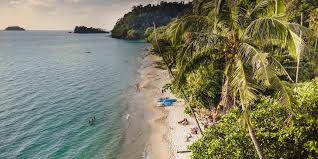
Lonely Beach, locally called Hat Khlong Kloi, is a quiet coastal spot on the southwest side of Koh Chang, Thailand’s second-largest island, in Trat Province, about 315 kilometers southeast of Bangkok. The beach is roughly 1 kilometer long, with soft golden to light-grey sand, backed by thick tropical vegetation and low hills, and faces the Gulf of Thailand with calm, shallow waters suitable for swimming.
It is located about 20 kilometers south of White Sand Beach, the island’s main area, and falls within Mu Ko Chang National Park, managed by the Department of National Parks, Wildlife and Plant Conservation. The area developed from a backpacker destination in the 1990s into a mid-range location with a combination of budget bungalows, surf shops, and small beach bars, while keeping a relaxed, bohemian vibe. Lonely Beach attracts young travelers, surfers and those looking for a quieter alternative to the northern beaches, offering natural scenery, affordable stays, and evening entertainment within a protected park setting.
Unique Feature of Lonely Beach
Lonely Beach is known for its fairly consistent surf which is suitable for beginners and intermediate surfers, especially during the southwest monsoon. It also has a long stretch of sand that stays mostly uncrowded, letting visitors find quiet spots even in busier periods. The beach faces south, giving beautiful sunset views over the Gulf of Thailand, with forested hills behind and fishing boats sometimes passing, which adds to the island’s natural and traditional atmosphere.
History of Lonely Beach
Lonely Beach, like the rest of Koh Chang, was used for many centuries by Thai and Khmer fishing communities, with the island often serving as a shelter during the monsoon season. The name “Lonely Beach” came into use in the 1980s when early backpackers discovered the area, finding it remote and largely undeveloped, reachable only by boat or rough tracks.
In the mid-20th century, Koh Chang remained mostly uninhabited because of malaria and poor access, though also coconuts were sometimes harvested there. Tourism started slowly in the 1990s, after ferries began arriving from Laem Ngop Pier, and Lonely Beach became a quiet spot for budget travelers seeking simple bungalows and uncrowded sand. In the 2000s, development increased somewhat with the paving of the island’s ring road, bringing more visitors and the first surf schools.
The 2004 Indian Ocean tsunami caused only minor damage to the southwestern coast, but reconstruction in the late 2000s included better drainage and guidance from the national park for eco-friendly practices. In recent years, Lonely Beach has focused on sustainable tourism, limiting large developments and promoting protection of coral and marine life, in line with Thailand’s broader efforts for marine conservation in the Gulf.
Things to Do at Lonely Beach
Lonely Beach provides a variety of activities, combining relaxation with gentle adventure, suited to its laid-back atmosphere:
Swimming and resting in the calm, shallow waters of the central bay, which is safe for families and those not strong swimmers.
Surfing on the fairly reliable waves during the southwest monsoon (May–October), with local shops offering lessons and board rentals.
Walking along the full stretch of sand or exploring the rocky headlands at each end, where small coves and tide pools can be found.
Snorkeling near the southern rocks, especially during the dry season when visibility is good (equipment usually rents for THB 200–400 per day).
Relaxing at beachfront bars, enjoying sunset drinks and, occasionally live music or fire shows on weekends.
Kayaking or stand-up paddleboarding in the calm waters of the bay, with rental fees usually THB 200–500 per hour.
Taking day trips by boat to nearby islands such as Koh Wai or Koh Rang, for snorkeling or picnics (THB 1,500–3,000 per person).
Evening activities include beach gatherings or visiting bars along the road behind the beach, keeping a bohemian and backpacker-friendly feeling.
Best Time to Visit
Best time to go Lonely Beach is between November and April, when it is dry, temperatures around 28–32 °C, and rain is low. Sea is calm, good for swimming, snorkeling, and resting on sand. Busiest months usually December to March. From May until October, southwest monsoon brings more rain and sometimes rough seas, but bay still quite protected. Less people visit then, and prices for accommodation and trips usually lower.
Practical Recommendations
It is recommended to book accommodation in advance during the busy season from November to April, as places can fill up quickly. Visitors should carry cash in Thai baht, since ATMs in Bang Bao village exist but sometimes charge high fees. Sun protection is important—SPF 50+, hats, and rash guards are advised because of strong sun and to protect the reefs.
Boat trips depend on weather, so it is better to check schedules the day before. Accommodation options include basic bungalows, usually costing around THB 1,000–3,000 per night, and mid-range resorts along the bay, with prices about THB 4,000–8,000 per night.
Visitors are expected to follow the national park guidelines like, avoid leaving trash, do not feed marine animals, and keep off the coral. Foreign visitors have to pay a park fee of around THB 400 which helps support conservation efforts. The area is generally safe but it is always recommended to keep one’s personal belongings quite secure and avoid walking in unlit areas at night.