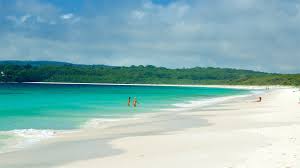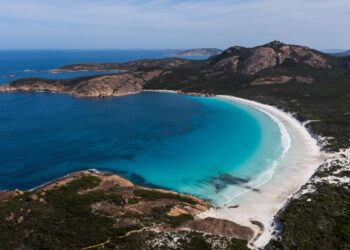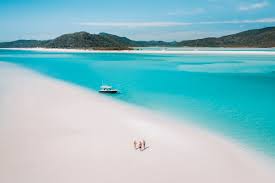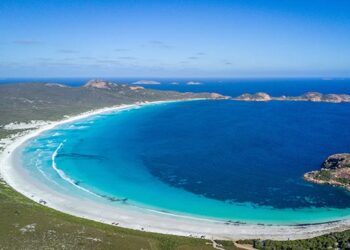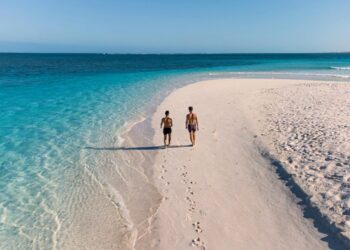

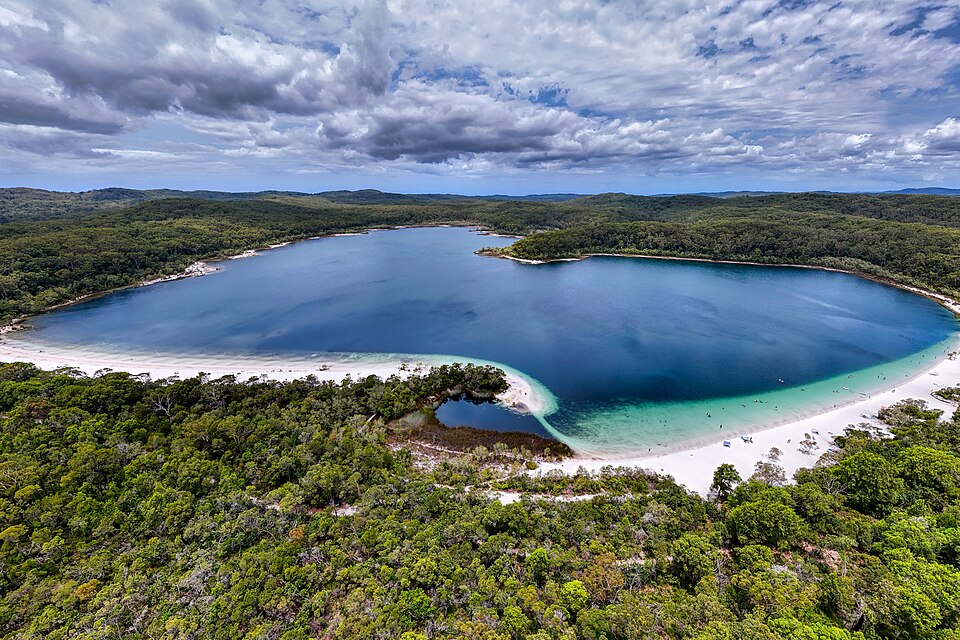
Lake McKenzie, also called Boorangoora, is located in the center of K’gari (formerly Fraser Island), the world’s largest sand island, within Queensland’s Great Sandy National Park. This perched freshwater lake is known for its very white silica sand and clear turquoise water, which looks almost unreal in its purity. Unlike usual lakes or beaches, it is filled only by rainwater with no connection to groundwater, making it one of the cleanest natural swimming spots. The sandy bottom works like a natural filter, giving the water its bright clarity and vivid colour, while the surrounding rainforest and sand dunes enhance the lake’s protected, pristine setting inside a UNESCO-listed area.
Lake McKenzie is suitable for families wanting safe swimming and picnics, couples seeking quiet moments, and nature enthusiasts attracted to its calm and reputed healing qualities. Hikers and adventure visitors on the K’gari Great Walk can make use of the nearby walkers’ camp for less crowded visits, especially at dawn or dusk.
Location & How to Reach
Lake McKenzie lies inland in the southern part of K’gari, around a 40-minute drive by 4WD from Eurong or Kingfisher Bay Resort. The closest towns on the mainland are Hervey Bay and Rainbow Beach, with Hervey Bay Airport or Maryborough offering convenient access to the lake.
Reaching the lake requires a 4WD vehicle along the island’s sandy tracks or joining a guided tour. From the mainland, visitors take a ferry to K’gari, either from Urangan in Hervey Bay or Inskip Point near Rainbow Beach—then continue by vehicle or tour bus. Total travel time from Hervey Bay takes about 2–3 hours, including the ferry crossing and the drive across K’gari.
Best Time to Visit
The preferred period is the dry season, from April through October, when temperatures are mild, roughly 20–28 °C, with lower humidity and minimal rainfall. These conditions make swimming and exploring easier and more comfortable. The weather is generally sunny and steady, which also improves water clarity and is good for outdoor activities.
Visitor numbers rise during Australian school holidays and the dry months, but the lake’s size usually prevents it from feeling too crowded. Visiting early in the morning or later in the afternoon helps avoid most tour groups. In summer (December to March), the water is warmer, but humidity is higher, afternoon showers are more frequent, and ferry crossings can sometimes be rough.
What Makes This Lake Special
Lake McKenzie has very fine white silica sand, soft underfoot like flour, and it stays cool even in hot weather. The lake’s water is very clear, with bright turquoise colour, letting you see the sandy bottom and small fishes near the edge. As a perched lake, it sits above the land on sand dunes and gets water only from rain, making it very pure without any sediment or salt.
Around the lake there is rainforest, low sand dunes, and open sandy shores with no rocks or cliffs, only calm, clear water edged by green plants. This combination of very pure sand, clear water, and its protected setting inside a national park makes it a unique, almost magical spot for swimming or quiet rest, unlike most other places in Australia.
Things to Do
The main activity at the lake is swimming in its warm, very clear water, with shallow areas that are safe for all ages. Other water activities are limited, as no motorised vehicles are allowed, so visitors mostly float or wade. Photography is popular, capturing the contrast of the turquoise water, white sand, and surrounding forest, while short walks around the day-use area or nearby trails give light exercise.
The calm environment is also suitable for meditation or yoga on the sand or under the shade of trees. Picnic areas with tables and barbecues are provided in fenced spots as food is not allowed directly on the lake shore because of dingoes. Visitors can also enjoy relaxing in the shallow water, exploring the lake edges, or combining the visit with the K’gari Great Walk, staying overnight at the nearby walkers’ camp.
Travel Tips & Safety
There are no lifeguards at the lake, so swimming should be done carefully and within your own limits, the water is usually calm but can get deep in some spots. Dingoes are present in the area, so visitors must keep all the food securely stored and not feed the animals. The lake and its surroundings are kept clean under the national park regulations and by following leave no trace practices.
It is often recommended to bring reef safe sunscreen, a hat, reusable water bottles, snacks, insect repellent and a bag to carry out rubbish. Vehicle and camping permits need to be obtained before visiting the lake. Weather and ferry conditions should be checked ahead of time, as rough seas can prevent travel. Drones are not permitted in the lake area. To protect the environment, stay on marked paths and avoid removing sand or disturbing plants and animals.