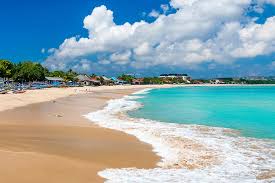

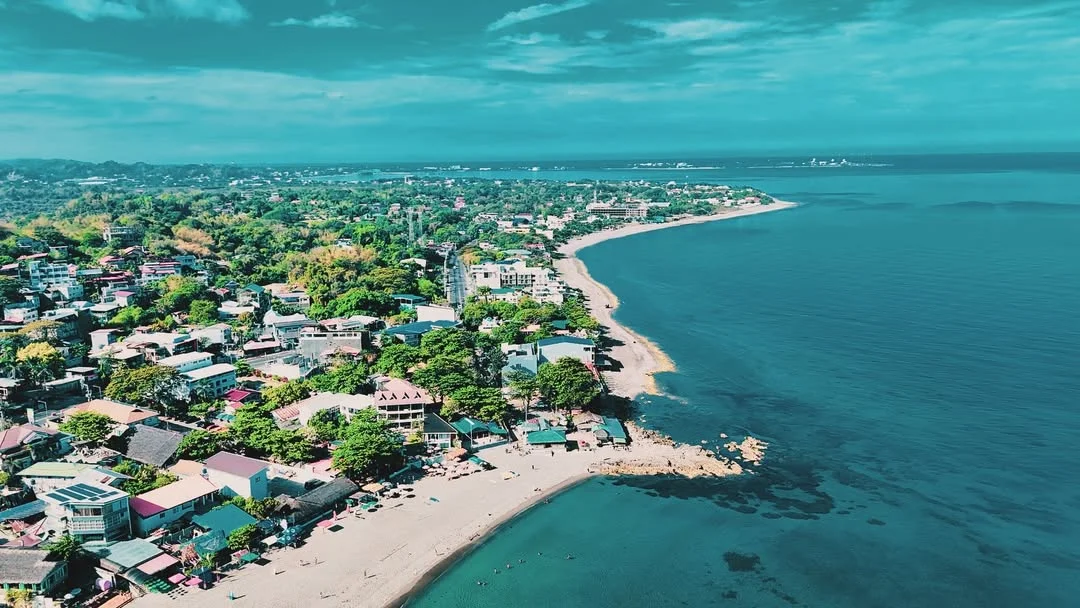
La Union Province is situated on the western side of Luzon, about 270 kilometers above Manila. The area is often regarded as the main surfing center in Northern Luzon. Its shoreline, running for roughly 120 kilometers along the West Philippine Sea, is lined with beaches made of grey to light-cream sand formed partly from old volcanic deposits. The coast faces steady waves, and behind it rise the slopes leading toward the Cordillera range, giving the province a distinct setting.
Most visitors stay around San Juan, especially the parts of Urbiztondo and Bacnotan, where many surf schools and small resorts first appeared. Other beach areas, such as those in Bauang, Luna, and San Fernando City, remain quieter and attract guests looking for less busy surroundings. Tourism matters in the province are handled through the regional and provincial offices, which place some attention on sustainable surfing activities and the protection of nearby marine areas.
Through the years, La Union has drawn both local travellers from Metro Manila, often on short weekend trips, as well as foreign surfers who arrive mainly during the months when the monsoon brings stronger swells. The steady wave conditions, the relatively affordable lodging, and the calmer coastal way of life have together made the province one of the well-known places for surfing and simple seaside leisure in the northern part of the Philippines.
Interesting Feature of La Union beachs
La Union is mostly known for having steady left and right reef breaks, especially around Urbiztondo Beach in San Juan. During the main surfing months, the waves there usually reach about one to three meters, which is why many beginners and experienced surfers gather in the same area. The sand along the shore has a grey shade because of old volcanic ash that settled here over time. It tends to stay cool even in the heat, and the darker tone stands out quite clearly against the blue-green water.
History of La Union beaches
The coast of La Union has long been home to Ilocano fishing communities, and the province itself was officially formed in 1850 under Spanish rule. Historically, the beaches were used mainly for fishing and small trading activities.
Tourism in La Union started slowly in the 1990s, when local surfers noticed the steady swells caused by the southwest monsoon and occasional Pacific typhoons. By the 2010s, La Union had become the main surfing spot north of Manila, helped by easier access thanks to the Tarlac–Pangasinan–La Union Expressway (TPLEX). Lately, local authorities have focused on sustainable tourism, creating marine protected zones and limiting beachfront construction to keep the surf breaks and coastal ecosystem intact.
Activities Available at La Union Beaches
La Union provides a variety of coastal and cultural activities for visitors:
Surfing lessons and board rentals are offered throughout the year, with best conditions from July to October during the southwest monsoon, and November to March when northeast swells occur.
Beachside yoga sessions and wellness retreats are available, especially around Urbiztondo and Bauang.
Visiting cultural sites is also popular, such as Ma-Cho Temple in San Fernando, the Pindangan Ruins, and the Baluarte Watch Tower in Luna.
Tourists often take boat rides to the small nearby islands and snorkeling areas around Bauang and San Fernando.
Sampling local Ilocano food such as bagnet, pinakbet, and longganisa is popular at the beachfront restaurants and the night market in San Fernando.
For hiking and nature trips, visitors go to Tangadan Falls in San Gabriel or walk around the grape farms near Bauang.
Best time to visit
The main surfing season is from July to October, when southwest monsoon swells are steady and sometimes typhoons make the waves bigger.
From November to March, the seas are calmer, good for swimming and beginner surfers, with cooler weather around 24–30 °C and lower humidity.
April to June usually has calm conditions for relaxing on the beach, though afternoons can get very hot, sometimes over 35 °C.
The beaches of La Union together form a recognized destination for surfing and coastal leisure on the western coast of Luzon. They offer fairly consistent waves, accessible facilities, and a unique mix of Ilocano culture with seaside recreation. Due to the steady waves, its proximity to Metro Manila, and managed development, the province serves as a practical option for experienced surfers as well as visitors seeking an authentic northern Philippine coastal experience.