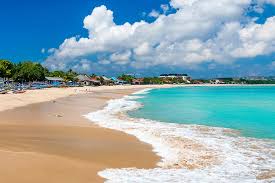

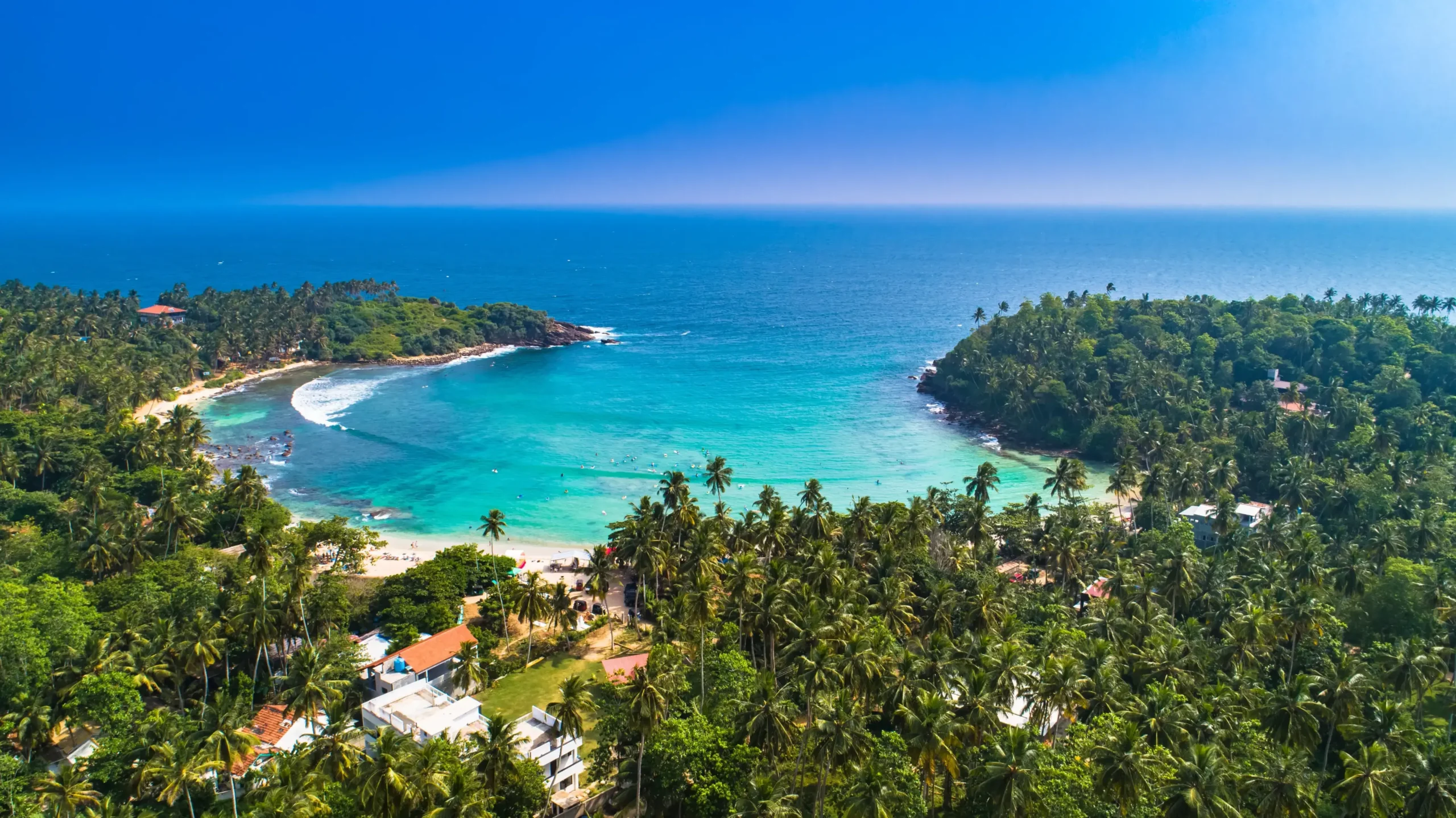
Hiriketiya Beach is a curved coastal stretch located on the southern shoreline of Sri Lanka, within the Dikwella Divisional Secretariat area of Hambantota District, roughly 180 kilometres to the south-east of Colombo. The bay follows a clear half-moon shape and measures close to 300 metres across, bordered by low headlands covered with thick vegetation. These natural barriers reduce wind exposure and help keep the water relatively calm and clear for most of the year.
The beach surface consists of fine sand in shades of gold and light brown, typical of the southern coastal belt. The seabed slopes gently, allowing safe swimming under most tidal conditions. Hiriketiya is situated about five kilometres west of Dikwella town and around twenty-five kilometres east of Tangalle, which places it away from the heavier development seen at beaches such as Mirissa or Unawatuna.
Responsibility for the site rests with local administrative bodies in coordination with the Sri Lanka Tourism Development Authority. In recent years, simple visitor guidelines and waste management practices have been put in place, mainly to reduce pressure on the surrounding environment. Overall development in the area is still limited, consisting of only a handful of guesthouses, small surf schools, cafés, and yoga centres operating nearby. As a result, Hiriketiya is generally preferred by visitors looking for a quieter coastal setting, suitable for swimming, beginner-level surfing, and unhurried exploration rather than mass tourism.
Distinctive Feature of Hiriketiya Beach
The feature that most clearly defines Hiriketiya Beach is its strong crescent-like form, which influences how the waves enter the bay. Because of this formation, incoming swells are directed into the bay in a more concentrated manner, leading to reasonably steady wave patterns that are commonly considered appropriate for novice and mid-level surfers, particularly along the central stretch and the eastern end. The surrounding headlands serve as a protective boundary, resulting in a more enclosed environment where the sea is usually less rough than at neighbouring beaches exposed directly to the open ocean, including during the southwest monsoon season.
History of Hiriketiya Beach
The Hiriketiya bay and the wider Dikwella region have long been occupied by coastal fishing communities, mainly Sinhalese and Tamil, with the sheltered inlet traditionally used as a landing place for small fishing craft. The place name “Hiriketiya” comes from the Sinhala language and is commonly understood to mean something close to “small eagle cove,” a reference that may relate either to the curved outline of the bay or to sea eagles that were once frequently seen in the area.
For most of the twentieth century and into the early 2000s, the beach attracted little attention beyond local residents, and there was almost no tourism-related development. The Indian Ocean tsunami of 2004 affected nearby coastal settlements, causing damage that led to rebuilding efforts, including basic coastal protection works and improvements to local infrastructure.
Visitor interest began to increase gradually in the late 2000s, mainly among independent travellers and surfers looking for quieter beaches away from the more established areas around Galle and Mirissa. During the mid-2010s, a small number of guesthouses, surf camps, and informal accommodation options appeared along the access roads to the bay, and wider recognition followed through online travel writing and shared photographs. After 2018, renewed promotion of Sri Lanka’s southern coastline brought a further rise in visitor numbers, although local authorities and community groups have generally tried to discourage large-scale construction in order to keep the area relatively low-key and maintain its calm, residential character.
Activities Available at Hiriketiya Beach
Hiriketiya Beach allows a limited but well-suited range of activities, shaped by the enclosed bay, moderate surf, and generally calm sea conditions. These activities tend to be small scale and oriented toward relaxed coastal use rather than mass tourism.
Surfing:
The bay produces fairly regular left- and right-hand breaks, especially through the central section of the beach. Conditions are most reliable between May and October during the southwest monsoon. Several small surf schools operate locally, providing basic instruction and board hire, mainly for beginners and intermediate surfers.
Swimming and shallow-water use:
The gently sloping seabed and sheltered waters allow swimming and wading across much of the bay. This makes the beach suitable for visitors with limited swimming experience, including families, though attention to local conditions is still required.
During periods when the sea remains calm, mainly in the earlier part of the day, limited paddleboarding and casual kayaking can be carried out close to the shoreline. These activities usually take place near the edges of the bay, where wave movement is lower and water conditions are more stable.
Use of the beach itself is generally quiet in nature. Most visitors spend time resting, sitting, or walking slowly along the sand rather than taking part in structured activities. On some days, yoga practice is arranged either directly on the beachfront or within nearby retreat properties. Such sessions tend to occur early in the morning or later in the afternoon, when weather conditions are less demanding.
Food facilities near the beach are quite limited in both number and size. A small selection of cafés and guesthouse-operated dining places are situated very close to the shoreline, where uncomplicated meals are served. These typically include locally prepared seafood, rice and curry, along with a very modest range of common international dishes. These establishments usually close by evening and do not function as late-night venues.
Short walking routes extend across the adjoining headlands, allowing visitors to reach nearby coves or slightly elevated lookout points. These paths are informal and uneven in sections, and they are not developed as marked trails. However, they provide wider views of the bay and surrounding coastline.
Overall, the activities at Hiriketiya remain quite limited and low-impact. The beach continues to function as a sheltered coastal setting with restrained use, rather than as a fully developed or highly commercial resort area.