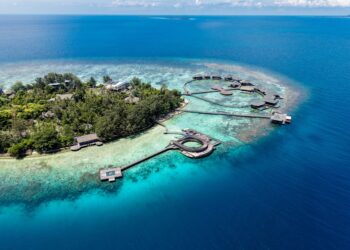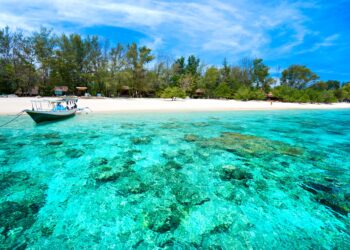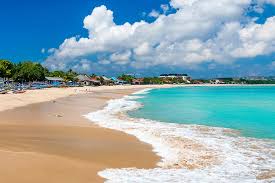

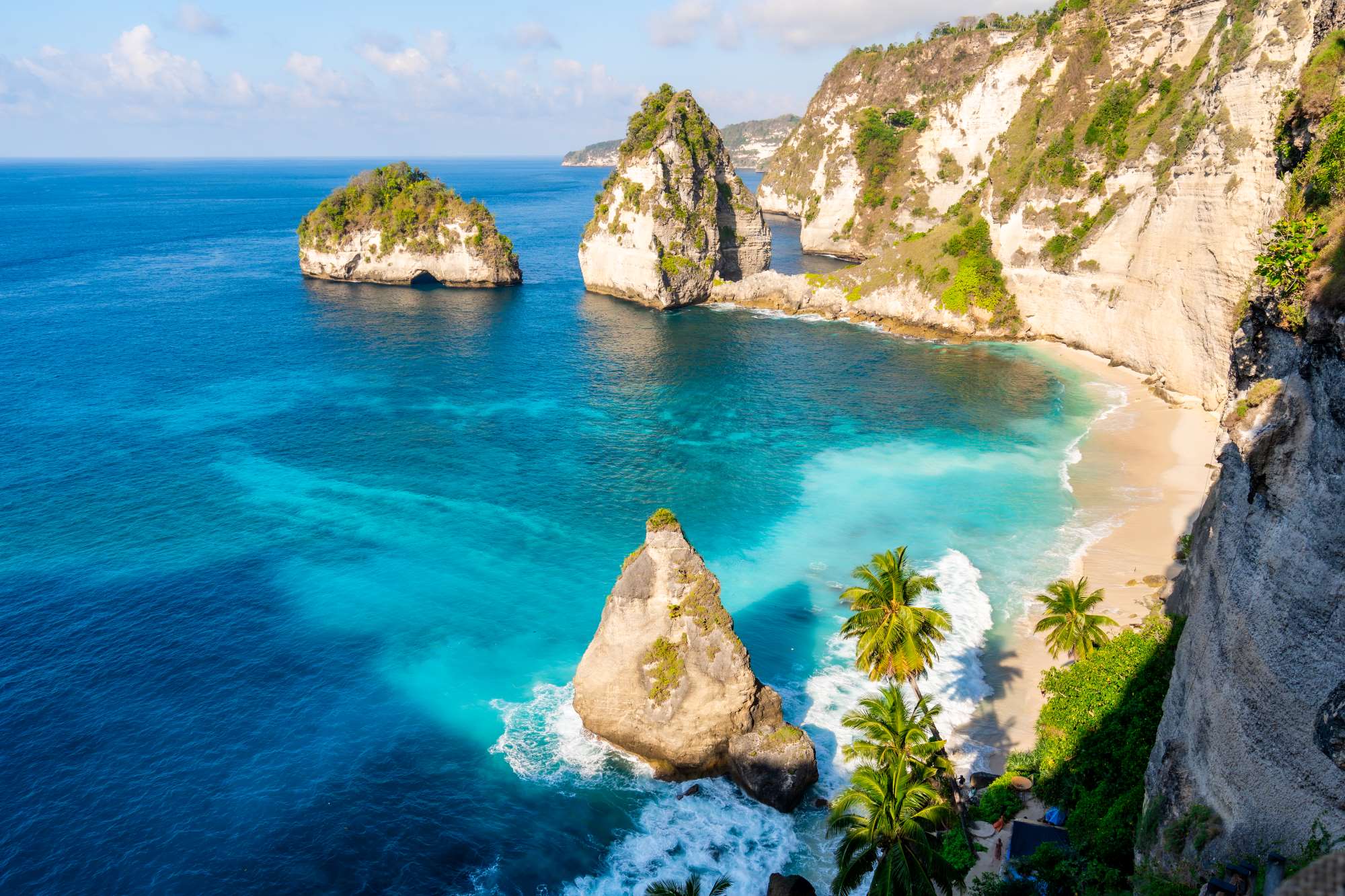
Diamond Beach is a well-known coastal location positioned on the eastern shoreline of Nusa Penida Island, within Bali Province, Indonesia. It falls under the jurisdiction of Klungkung Regency. The coastal stretch measures approximately 200 meters and is characterized by fine white sand lying at the foot of tall limestone cliffs. Entry to the shoreline is made by way of a staircase cut into the cliff, and certain parts of the descent are relatively steep and require careful movement. The waters appear turquoise and clear, facing directly toward the Indian Ocean. Wave conditions are moderate; at times the sea is calm enough for limited wading, although strong currents may also occur.
The location lies about 12 kilometers to the southeast of Toya Pakeh harbor, which is the island’s primary arrival point. Diamond Beach forms part of Nusa Penida’s karst terrain and is managed by the Klungkung Regency Tourism Office together with the Bali Provincial Tourism Authority. These bodies are responsible for entrance arrangements, waste handling, and certain safety measures.
The area is often approached by photographers, solo travelers, and individuals undertaking brief visits, primarily because of the high cliff panoramas and its relatively isolated setting. In contrast with the destinations that are easier to reach, including Kelingking and Atuh Beach, the site usually experiences fewer crowds, although the descent to the shore can involve notable physical exertion and may not be suitable for all visitors. Development for tourism has taken place in a gradual manner, with only limited facilities added in recent years, so that increasing visitor numbers can be managed while the original limestone landscape is largely retained.
Fun Fact About Diamond Beach
The name “Diamond Beach” is connected to the rock structures found along the cliffs and close to the shoreline, whose angular outlines resemble the shape of a diamond. These formations have developed slowly over an extended period as a result of natural erosion processes. Broader recognition of the beach began around the mid-2010s when the aerial drone images circulated widely and highlighted the visual contrast between the pale sand, blue-green water, and rugged limestone cliffs. Following this exposure, the site was frequently mentioned among Bali’s so-called “hidden” coastal locations, and visitor numbers increased, influenced in part by social media attention.
Activities at Diamond Beach
Diamond Beach provides a relatively small range of activities, mainly centered on its landscape and quiet atmosphere.
Access to the shore involves descending the carved staircase along the cliff, after which visitors may enter the shallow pools that form during low tide, conditions permitting.
Photography is a common purpose of visit, whether from the elevated viewpoint above the cliffs or directly from the beach, where the angular rock formations and open ocean scenery can be observed.
Snorkeling is sometimes undertaken near the rocky edges of the beach, where limited coral growth and small reef fish may be present when the water is sufficiently clear. Basic equipment can also be obtained from the vendors operating near the entrance area.
Some individuals choose simply to rest on the sand or beneath shaded sections of the cliff, particularly on weekdays when visitor numbers are generally lower.
Short walks along the shoreline allow for observation of tide pools and recesses within the limestone, which resemble small cave formations.
It is also possible to bring light refreshments and sit at the base of the cliffs; modest food stalls located near the access point provide simple snacks and drinks.
Many visitors combine the trip with nearby sites, including Atuh Beach or the Thousand Islands Viewpoint, often traveling by motorbike as part of a short tour route.
Access to Diamond Beach
Reaching Diamond Beach generally involves several stages of travel to Nusa Penida Island.
From the Bali mainland, departures are commonly made from Sanur or Padang Bai by fast boat toward Nusa Penida, arriving at Toya Pakeh or Buyuk Harbor. The crossing usually takes about 30 to 45 minutes, with return fares in the range of IDR 150,000 to 300,000, depending on operator and season.
Upon arrival at the harbor, visitors may rent a motorbike, typically costing around IDR 70,000 to 100,000 per day, or arrange for a private driver. Travel to Diamond Beach from the harbor generally takes about 45 to 60 minutes, following paved routes that curve frequently and may be uneven in certain stretches.
When visitors reach the site, they walk from the parking area to a viewpoint on the cliff top. To get down to the beach, it is necessary to descend a staircase carved into the rock. Usually, a small entry fee is charged, often around IDR 25,000 to 50,000 per person.
Package tours departing from the locations such as Ubud or Kuta can also be arranged. These arrangements usually cover boat transportation and travel on the island, and often include visits to several sites in addition to Diamond Beach. Prices tend to fall between IDR 500,000 and 1,000,000 per participant, although the specific services provided may differ slightly.