
Cocoa Beach lies along the Atlantic coastline of Florida within Brevard County, forming part of the region commonly referred to as the Space Coast. The beach is widely associated with surfing culture on the eastern seaboard of the United States and is also known for the well-known Cocoa Beach Pier, which extends into the Atlantic Ocean and contains several visitor facilities.
The shoreline continues for roughly six miles and is covered mainly with light-colored sand. Another feature often mentioned in relation to the area is its closeness to the Kennedy Space Center, located to the north. Because of this geographical position, rocket launches from the space center can sometimes be observed from sections of the beach or nearby viewing areas. The town is also home to famous Ron Jon Surf Shop, which is frequently described as one of the largest surf equipment stores in the entire world.
Compared with certain beaches along the Gulf of Mexico that remain quieter and less active, this coastline generally receives stronger and more regular ocean waves from the Atlantic. For that reason surfing activities are more commonly seen here. The pier area also contains a concentration of small shops and food establishments, creating a busier environment than that found at more isolated coastal locations.
Different groups of visitors come to the beach for various reasons. Surfers of different experience levels arrive to take advantage of the Atlantic swells that reach the coast throughout the year. Individuals interested in space exploration also travel to the region during scheduled rocket launches. At the same time, some visitors simply walk along the shore in the evening hours, while others participate in general beach recreation or water-related activities available in the area.
Best Time to Visit
The period between March and May, and again from September to November, is often regarded as a suitable time for visiting Cocoa Beach. During these months temperatures generally remain within the range of the mid-70s to mid-80s degrees Fahrenheit. Humidity levels are usually somewhat lower compared with the peak summer period, and the climate therefore feels more comfortable for spending longer hours near the shoreline.
Weather during these seasons is commonly sunny with light coastal winds appearing at intervals. Such conditions are considered favorable for general beach recreation and also for surfing activities, as the heat is not as intense as during the middle of summer.
Visitor numbers tend to increase noticeably in the summer months as well as during the spring break period. At those times families and tourists often gather around the pier and nearby sections of the beach. In contrast, the winter season generally receives fewer crowds, although the sea water may feel cooler for swimming.
What Makes This Beach Unique
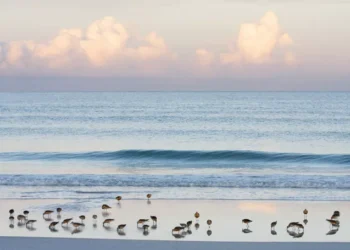
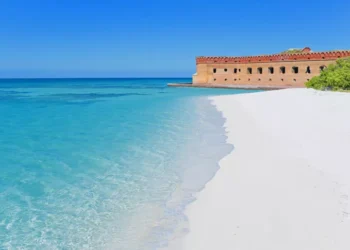
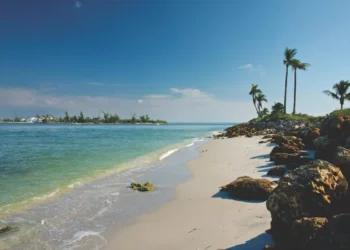
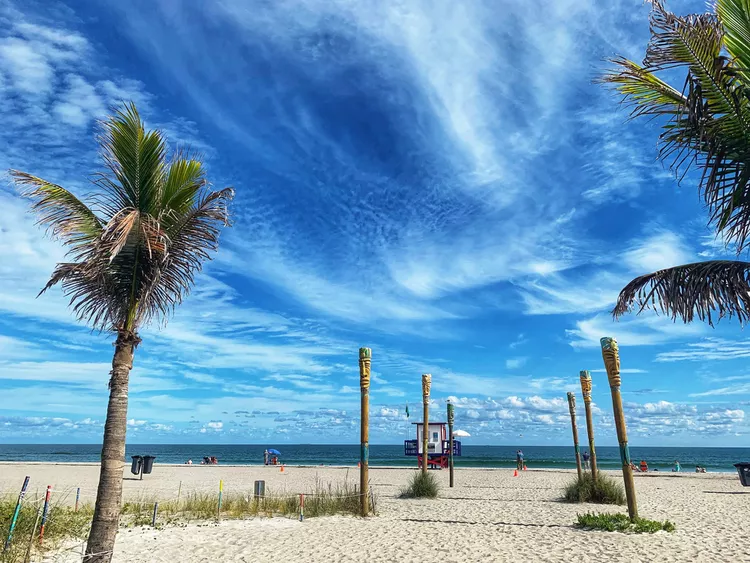
Cocoa Beach is characterized by a long stretch of soft, light-colored sand that spreads across the shoreline. The sandy surface allows space for ordinary beach recreation such as resting on the shore or building simple sand structures, activities which are commonly seen among visitors.
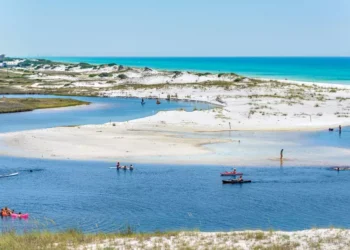
The appearance of the water changes depending on weather and ocean conditions. At times the water near the shore may display light blue or turquoise shades, and in clearer moments small fish can occasionally be noticed moving below the surface. Wave activity along this part of the Atlantic coast is often moderate and sometimes stronger, which is one of the reasons the beach has become associated with surfing. In view of the wave conditions present along this coast, some sections of the shoreline tend to be used more often for surfing activities. For that reason, the water in a few areas may not always remain as calm as beaches that are mainly intended for relaxed swimming.
The physical setting of the coastline also plays an important role in defining the appearance of the place. Small sand dunes can be noticed in different parts behind the beach, and groups of palm trees grow irregularly along the shore.
Natural environment features are also situated at a short distance from the principal beach area. One such example is the region known as the Thousand Islands, where mangrove vegetation and shallow tidal channels occur. These habitats support various forms of coastal wildlife. The coastline itself does not contain steep cliffs or rocky headlands; instead it remains mostly flat and open. Because of this landscape, wide ocean views are visible from the beach. At times, large cruise vessels travelling to or from Port Canaveral may also be seen moving slowly across the distant horizon.
Things to Do
Swimming is usually done in areas marked and watched by lifeguards, suitable for people wading or learning to swim. Water-based activities include surfing lessons at Ron Jon Surf Shop, kayaking in Banana River for tours that sometimes show bioluminescent waters, jet skiing, parasailing, and fishing from the pier.
Photography is quite popular, capturing surfers in action or rocket launches from Kennedy Space Center. Walking along the pier or beach paths provides exercise and views of the coast. Meditation and yoga sessions are held at nearby resorts or quiet sunrise locations. There are a few casual beach cafés for snacks or rest, and nearby attractions include the Florida Surf Museum, Cocoa Beach Aerial Adventures, and the Kennedy Space Center for educational visits.
Travel Tips & Safety
Lifeguards are always present on the main beach throughout the year and they use a flag system in order to indicate conditions with the green meaning calm water, while the red warns of strong rip currents.
Seasonal hazards include strong currents and occasional jellyfish, so visitors should check local advisories. The beach is kept clean with daily maintenance. Recommended items to bring are sunscreen, hats, water bottles, snacks, and rash guards for surfing. Be aware of wildlife, such as sea turtles during nesting season, and apps or local notices can help track rocket launch times from Kennedy Space Center.